Shopping cart
Your cart empty!
Your cart empty!
Terms of use dolor sit amet consectetur, adipisicing elit. Recusandae provident ullam aperiam quo ad non corrupti sit vel quam repellat ipsa quod sed, repellendus adipisci, ducimus ea modi odio assumenda.
Lorem ipsum dolor sit amet consectetur adipisicing elit. Sequi, cum esse possimus officiis amet ea voluptatibus libero! Dolorum assumenda esse, deserunt ipsum ad iusto! Praesentium error nobis tenetur at, quis nostrum facere excepturi architecto totam.
Lorem ipsum dolor sit amet consectetur adipisicing elit. Inventore, soluta alias eaque modi ipsum sint iusto fugiat vero velit rerum.
Sequi, cum esse possimus officiis amet ea voluptatibus libero! Dolorum assumenda esse, deserunt ipsum ad iusto! Praesentium error nobis tenetur at, quis nostrum facere excepturi architecto totam.
Lorem ipsum dolor sit amet consectetur adipisicing elit. Inventore, soluta alias eaque modi ipsum sint iusto fugiat vero velit rerum.
Dolor sit amet consectetur adipisicing elit. Sequi, cum esse possimus officiis amet ea voluptatibus libero! Dolorum assumenda esse, deserunt ipsum ad iusto! Praesentium error nobis tenetur at, quis nostrum facere excepturi architecto totam.
Lorem ipsum dolor sit amet consectetur adipisicing elit. Inventore, soluta alias eaque modi ipsum sint iusto fugiat vero velit rerum.
Sit amet consectetur adipisicing elit. Sequi, cum esse possimus officiis amet ea voluptatibus libero! Dolorum assumenda esse, deserunt ipsum ad iusto! Praesentium error nobis tenetur at, quis nostrum facere excepturi architecto totam.
Lorem ipsum dolor sit amet consectetur adipisicing elit. Inventore, soluta alias eaque modi ipsum sint iusto fugiat vero velit rerum.
Do you agree to our terms? Sign up

The coffee origin of Haute Matsiatra in the Central Highlands of Madagascar is known for high-quality Arabica beans grown at higher elevations. The region’s cooler climate, fertile soils, and distinct
Coffee growing in Diana, in the northern part of Madagascar, is concentrated in higher-altitude areas where the cooler temperatures favor Arabica cultivation, though some Robusta is also grown in lowe
Coffee growing in Sava, in the northeastern part of Madagascar, is mainly carried out in smallholder farms scattered across low- to mid-altitude areas. The region’s tropical climate, with abundant rai
Coffee growing in Atsinanana on the east coast of Madagascar thrives in a hot, humid tropical climate with heavy year-round rainfall. The region’s fertile coastal plains and low- to mid-altitude areas
Coffee growing in Vatovavy-Fitovinany (southeastern Madagascar) is mainly based on smallholder farms operating in a warm, humid tropical climate with high rainfall. The region’s low to mid-altitude co
Tanganyika Province and Haut-Katanga Province, located in the southeastern corner of the Democratic Republic of the Congo, are part of the country’s low- to mid-altitude regions. The area is character
Maniema Province Maniema Province, located in the eastern Democratic Republic of the Congo, is a largely forested and mountainous region, bordered by North Kivu, South Kivu, and Tshopo pro
Ituri Highlands Coffee Coffee from the Ituri Highlands in northeastern Democratic Republic of the Congo is primarily Arabica, grown at high altitudes (1,200–2,000 m) on fertile volcanic soil
Kivu – Coffee Kivu, located in eastern Democratic Republic of the Congo along the shores of Lake Kivu, is the country’s most renowned coffee-growing region. It includes the provinces of Nort
Tshopo Province - Located in northeastern Democratic Republic of the Congo, Tshopo Province is a tropical lowland coffee region centered around the city of Kisangani. The province pri
Coastal Kenya coffee is smooth, mild, and subtly spiced, while Eastern Kenya coffee is bright, floral, and citrusy with lively acidity.
Western Kenya coffee is known for its smooth, balanced profile. Grown in fertile volcanic and loamy soils with ample rainfall, it produces Arabica beans that are full-bodied, mellow, and often carry n
Équateur Province, located in north-western Democratic Republic of the Congo, is a low-altitude, tropical coffee-growing region known primarily for Robusta (Coffea canephora) production. Coffee here
Rift Valley coffee from Kenya is prized for its rich volcanic soil, high altitude, and ideal climate. These conditions produce Arabica beans with bright acidity, fruity notes, and a wine-like complex
Bolaven Plateau coffee, grown in Laos’s volcanic highlands, offers medium body, mild acidity, and citrus‑floral notes with chocolate undertones — a heritage origin rising in global specialty coffee.
Hainan coffee, grown in China’s tropical island south, offers strong Robusta with earthy, nutty, chocolate notes and boutique Arabica with mild fruit‑floral hints — a heritage brew from the land of co
Dehong coffee, grown in Yunnan’s border highlands, delivers medium body, bright acidity, and floral‑citrus notes with chocolate undertones — a boutique origin in China’s specialty coffee.
Baoshan coffee, grown in the fertile highlands of Yunnan Province, offers medium body, balanced acidity, and notes of fruit, floral brightness, and chocolate sweetness — a rising star in China’s speci
Fujian coffee, grown in southeastern China’s uplands, offers light body, mild acidity, and delicate floral‑fruit notes with a smooth chocolate finish — a boutique origin from China’s tea heartland.
Yunnan coffee, grown in the highlands of southwestern China, delivers medium body, gentle acidity, and notes of red fruit, citrus, floral hints, and chocolate sweetness — the flagship of China’s speci
The Northern Highlands of Malawi, including the Misuku Hills, Viphya Plateau, and Nkhata Bay Highlands, are Malawi’s high-altitude Arabica coffee regions. Situated at 1,200–1,800 meters above sea leve
The Southern Highlands of Malawi, including Thyolo, Mulanje, and Zomba, are Malawi’s primary coffee-growing regions. Situated at 1,000–1,800 meters above sea level, these highlands feature fertile soi
The Central Region of Malawi, particularly the districts of Nkhatakota and Ntchisi, is an emerging coffee-growing area in Malawi’s mid-altitude highlands. With fertile soils, moderate rainfall, and el
The Center, Littoral, and South Regions of Cameroon are primarily Robusta-growing areas in the country’s lower-altitude tropical zones. These regions feature warm temperatures, high humidity, and abun
The Northwest Region of Cameroon is part of the country’s Western Highlands coffee belt and a key Arabica-producing area. Located at 1,200–2,000 meters above sea level, the region features fertile vol
The Western Highlands coffee region of Cameroon, covering the West and Northwest Regions, is the country’s premier Arabica-growing area. Situated at 1,200–2,000 meters above sea level, the region feat
Coffee from India’s North‑Eastern states, grown in the highlands of Arunachal Pradesh, Assam, Manipur, Mizoram, and Nagaland, offers medium body, bright acidity, and floral‑citrus notes with nutty and
Coffee from Andhra Pradesh’s Araku Valley and Odisha’s Koraput district is shade‑grown by tribal farmers in the Eastern Ghats, offering medium body, balanced acidity, fruity‑spice notes, and cocoa und
Tamil Nadu coffee, grown in the Nilgiris, Shevaroy Hills, and Kodaikanal, offers shade‑grown Arabica and Robusta with floral‑citrus brightness, earthy spice, and chocolate depth — a balanced brew from
Kerala coffee, grown in the Western Ghats of Wayanad, Idukki, and Palakkad, offers shade‑grown Arabica and Robusta with floral‑citrus brightness, earthy spice, and chocolate sweetness — a heritage bre
Karnataka dominates Indian coffee production, accounting for about 71% of the country’s output, with districts like Kodagu (Coorg), Chikmagalur, and Hassan being especially famous. Both Arabica and Ro
The Central and Eastern Provinces of Zambia, including Lundazi and Petauke, are emerging coffee-growing areas in the country’s mid- to low-altitude highlands. These regions feature fertile soils and m
The Copperbelt Plateau coffee region of Zambia is a lesser-known coffee-growing area located in the central-northern highlands. While primarily known for mining, the plateau’s moderate altitude, ferti
The Muchinga Province coffee region of Zambia is an emerging specialty coffee area in the country’s northeastern highlands. With elevations around 1,300–1,800 meters, fertile soils, and consistent rai
The Northern Province coffee region of Zambia is the country’s primary coffee-growing area, located in the highlands of Northern Province. With elevations ranging from about 1,200 to 1,800 meters abov
Southern Province coffee of Rwanda is celebrated for its bright, complex flavors and balanced acidity. Grown on the lush volcanic slopes of Rwanda’s south, it often exhibits notes of red fruit, citrus
Coffee from Rwanda’s Eastern Province is grown at relatively lower elevations compared to the western and northern regions, with warmer temperatures and gently rolling landscapes. The province has fer
Coffee from Rwanda’s Northern Province is grown at some of the country’s highest elevations, near the volcanic highlands bordering the Virunga mountain range. The region’s cool climate, rich volcanic
The Western Province is Rwanda's most renowned coffee-growing region, celebrated for producing some of the country's finest specialty coffees. Centered along the shores of Lake Kivu and bordering Nyun
The Central coffee region of Rwanda, centered around Kigali and its surrounding districts, is a smaller but steadily developing coffee-growing area. Farms are typically located at moderate to high ele
Lake Kivu Coffee Region, Located in western Rwanda along the shores of Lake Kivu, this is the country’s premier coffee-growing region. The beans thrive in volcanic soils at high altitudes (1,7
The Southern Highlands of Burundi, covering provinces such as Bururi, Rutana, and Makamba, are an important hub for Arabica coffee cultivation.
Central Burundi, particularly the provinces of Gitega, Muramvya, and Kayanza, is renowned for its high-quality Arabica coffee, grown on the steep hillsides of the country’s central highlands at elevat
The Northern Highlands of Burundi are a critical and historic coffee-producing area, forming part of the country’s famed high-quality Arabica coffee belt.
Bukoba, located in Tanzania’s Kagera Region along the western shores of Lake Victoria, is one of the country’s most historically significant coffee-producing areas and the heartland of Robusta coffee
Morogoro is an important but often understated coffee-producing region in eastern Tanzania, valued for its ecological diversity and its role in supplying both Arabica and Robusta coffee.
Mbeya and Songwe are among Tanzania’s most important southern highland coffee-producing regions, known for their favorable climate, fertile soils, and steadily improving quality in both Arabica and Ro
Kilimanjaro and Arusha are two of Tanzania’s most important and historically renowned coffee-producing regions, forming the heart of the country’s Arabica coffee sector.
West Nile, located in northwestern Uganda along the borders with the Democratic Republic of Congo and South Sudan, encompasses districts such as Arua, Nebbi, Zombo, Yumbe, and Moyo.
Sebei is a region in eastern Uganda, situated along the northern slopes of Mount Elgon and encompassing districts such as Kapchorwa, Kween, and Bukwo.
Kigezi, located in southwestern Uganda, encompasses districts such as Kabale, Kisoro, Rukungiri, and Kanungu, and is part of Uganda’s highland Arabica coffee-growing belt.
The Rwenzori Mountains, also known as the “Mountains of the Moon,” stretch along the western border of Uganda and the eastern Democratic Republic of Congo, encompassing districts such as Kasese, Bundi
The Mount Elgon region, straddling the Uganda-Kenya border, is a highland coffee-growing area named after the ancient volcanic mountain that dominates the landscape.
Ankole, located in southwestern Uganda, encompasses districts such as Mbarara, Bushenyi, Ntungamo, Ibanda, and Isingiro, and forms part of Uganda’s key coffee-producing belt, particularly for Robusta
Busoga, a region in eastern Uganda located along the northern shores of Lake Victoria, is one of the country’s principal Robusta coffee-producing areas.
Pentecost, Ambrym & Other Islands: The Archipelago's Coffee Culture Coffee growing on Vanuatu's central islands like Pentecost, Ambrym, and others is a story of deeply localized tradition and Scale &
Buganda, located in central and south-central Uganda around the northern shores of Lake Victoria, is one of the country’s most important and historically significant coffee-producing regions, particul
The Lango sub-region of northern Uganda, comprising districts such as Lira, Apac, Oyam, Kole, and Dokolo, is an emerging coffee-producing area, contributing mainly to Uganda’s Robusta coffee sector.
Agboville, located in southern Côte d’Ivoire within the Agnéby-Tiassa region, is part of the country’s traditional Robusta coffee-growing zone, benefiting from its proximity to Abidjan and long-standi
Daloa, the principal city of the Haut-Sassandra region in central-western Côte d’Ivoire, lies within one of the country’s traditional Robusta coffee-growing zones, historically linked to both coffee a
Lake Kossou, located in central Côte d’Ivoire, is one of the country’s most important inland water bodies and a defining feature of the Bandama River basin.
Sassandra, a coastal town and surrounding agricultural zone in south-western Côte d’Ivoire, is part of the country’s historic Robusta coffee-producing region, closely linked to the broader Lower Sassa
Soubré, situated in south-western Côte d’Ivoire in the Lower Sassandra region, is part of the country’s long-established Robusta coffee-producing belt, even though cocoa dominates the local agricultur
Malekula Island: The Wild, Untamed Heart of Vanuatu Coffee Malekula, Vanuatu's second-largest island, is the sleeping giant and most enigmatic coffee terroir in the archipelago—a place of immense pote
Espiritu Santo Island: The Diverse Heart of Vanuatu Coffee Espiritu Santo, Vanuatu's largest island, is the commercial and geographical heart of the national coffee industry, offering a spectrum of fl
Tanna Island Coffee: Vanuatu's Volcanic Jewel Tanna is the iconic coffee-producing island of Vanuatu, globally renowned for coffee grown in the shadow of an active volcano. Terroir: Coffee is cultiva
San Pedro is one of the most important agricultural and commercial zones in southwestern Côte d’Ivoire and a historic center of the country’s coffee and cocoa economy.
Danané is a well-known agricultural area in western Côte d’Ivoire, near the borders with Guinea and Liberia, and is part of the country’s historic coffee–cocoa production belt.
Gagnoa is one of the most important agricultural centers in west-central Côte d’Ivoire and has long been a key zone for coffee and cocoa cultivation.
Bongouanou is an important agricultural area in central-eastern Côte d’Ivoire, within the former N’Zi-Comoé region, and has historically contributed to the country’s coffee and cocoa production
Abboisso is an important agricultural zone in southeastern Côte d’Ivoire, close to the Ghanaian border, and has long been associated with coffee and cocoa cultivation.
Viqueque Coffee: Timor-Leste’s Wild Frontier Viqueque, in southeastern Timor-Leste, is the country’s most exciting and untamed coffee terroir. It represents the frontier of flavor discovery. Terroir:
Tahiti Coffee Growing: A Micro-Scale Heritage Tahiti does not have commercial coffee growing "regions." Instead, it features small, scattered plantings of coffee trees, primarily in private home garde
The Marquesas Islands Coffee Coffee in the Marquesas Islands is a living historical artifact, not a commercial crop. Introduced in the 1850s, primarily the Typica variety, it survives on islands like
The coffee of Manatuto and Baucau, in Timor-Leste's drier eastern reaches, is less known but full of untapped character. Grown in more scattered, smallholder plots at varying altitudes, these beans ar
Cova Lima & Bobonaro Coffee (Southwest Timor-Leste) This southwestern border region is a key production zone characterized by remote highland villages and smallholder agroforestry. Geography: Coffee
Agalta is located in the southeastern and eastern parts of Honduras, spanning the departments of Olancho, El Paraíso, and Francisco Morazán. This region is notable for its more tropical climate.
El Paraíso, located in southeastern Honduras bordering Nicaragua, has transformed from a region known for volume into a premier destination for specialty coffee.
Comayagua is located at the literal and figurative heart of Honduras. It is renowned for having the highest production yield in the country and has recently emerged as a consistent powerhouse speciali
Opalaca is one of the more secluded and high-altitude coffee regions in Honduras. Located in the north-central part of the country, primarily within the departments of Intibucá, Lempira, and Santa bar
Montecillos is a pivotal coffee-growing region in southwestern Honduras, bordering El Salvador. It holds the significant distinction of being home to the country's first Denomination of Origin.
Copán, located in western Honduras along the border with Guatemala, is one of the country's most iconic and highest-regarded coffee origins. Recognized under the Honduran Western Coffees (HWC)
Liquiçá & Aileu are the stalwart quality pillars of Timor-Leste’s central highlands, often overshadowed by the volume of Ermera or the prestige of Ainaro, yet indispensable to the country's coffee tap
Ainaro is the high-elevation jewel of Timor-Leste’s coffee-growing regions, renowned for producing its most complex and vibrant coffees. Centered around the historic town of Maubisse, its farms perch
Ermera is the undisputed coffee heartland of Timor-Leste. As the country's largest and most productive region, its highland plateaus and misty valleys form the core of the nation's coffee economy. Cen
Taveuni, Fiji's "Garden Island," is a lush, volcanic paradise and a boutique coffee-growing region. Its fertile soil and tropical rainfall create an ideal microclimate for shade-grown, often organic,
Viti Levu, Fiji's largest and most populous island, is the dynamic heart of the country's modern coffee renaissance. Unlike the traditional base of Vanua Levu, coffee here represents a deliberate, qua
Vanua Levu, Fiji's second largest island, is a secondary and emerging coffee region. Unlike the organized highland estates of Viti Levu, coffee here is grown on a smaller, more scattered scale, often
Diriamba is the heart of the Carazo department in Nicaragua’s Pacific region. Historically significant as one of the country's oldest coffee-growing areas, it is distinct from the northern highlands.
Nueva Segovia is Nicaragua’s northernmost coffee region, situated along the mountainous border with Honduras. This isolated and rugged area consistently produces the most highly awarded coffee.
Matagalpa is one of Nicaragua’s most historic and legendary coffee regions. Known as the "Pearl of the North," it was the first area in the country to establish large-scale coffee plant.
Jinotega, widely known as the "Capital of Coffee," is Nicaragua’s premier coffee-growing region. Often referred to as La Ciudad de las Brumas ("City of the Mists") due to the frequent fog.
Tres Ríos, often referred to as the "Bordeaux" of Costa Rica, is a small, prestigious coffee-growing region located just east of the capital, San José. Known for consistently producing high
Brunca is Costa Rica’s southernmost coffee region, known for its lush, tropical landscape and a focus on both high-volume production and emerging specialty lots. It is the region most influenc
Valle Central is the historical birthplace of Costa Rican coffee, where cultivation first began in the late 18th century. Situated around the capital city of San Jo
Valle Occidental Is recognized as one of Costa Rica's most complex and high-performing coffee regions. It is a perennial favorite in the Cup of Excellence competiti
Tarrazú is Costa Rica’s most prestigious and highest-producing coffee region, often referred to as the "Burgundy" or "Bordeaux" of the coffee world. Located approximately 70 kilometers south
New England Tablelands Coffee Region The New England Tablelands, centered around Armidale and Guyra in northern New South Wales, is Australia's premier high-altitude coffee frontier, redefining the po
The New South Wales (NSW) coffee region is the historic heart and quality leader of Australia's specialty coffee industry, characterized by distinct sub-regions producing diverse flavor profiles. Pri
Victoria Coffee Region Victoria's coffee growing region is a small, cool-climate, and highly experimental zone located in northeastern Victoria, primarily in the King Valley near Whitfield.
Queensland is the historic and productive heart of Australian coffee. Primarily grown on the Atherton Tablelands in Far North Queensland (around Mareeba and Malanda), this region benefits from a tropi
New Georgia coffee refers to coffee grown on New Georgia Island and its surrounding islands (like Kolombangara and Vella Lavella) in the Western Province of the Solomon Islands. It is a classic, mild
Oaxaca is celebrated as the "cultural heart" of Mexican coffee, renowned for its preservation of heirloom Arabica strains and its traditional, shade-grown mountain farming.
Puebla is recognized as Mexico's most efficient coffee-growing region. It boasts the highest productivity levels in the country, often yielding significantly more coffee per hectare than its neighbors
Veracruz is a region defined by its deep-seated coffee culture, centered around the iconic "Coffee Capital" of Coatepec. Today, it stands as Mexico's second-largest producer and a global leader in hig
Chiapas is Mexico's premier coffee-growing region, often referred to as the "heavyweight champion" of the national industry. Bordering the famous Huehuetenango region of Guatemala, it shares
Nuevo Oriente (New East) is located near the border with Honduras and El Salvador. It developed into a coffee-dependent production zone from a once-poor area in the 1950s and is known f
Acatenango Valley is Guatemala's newest officially recognized coffee region (named the 8th region in 2006). It is defined by its extreme altitudes and the influence of the nearby ac
San Marcos is recognized as the warmest and wettest of Guatemala's eight coffee-growing regions, known historically as "the place where volcanoes awake".
The Fraijanes Plateau is one of Guatemala's most dynamic growing regions, defined by its proximity to the country's most active volcano and its unique mineral-driven flavor pro
Cobán is distinct for its tropical rainforest environment, characterized by constant mist and high humidity that create a profile starkly different from Guatemala’s volcanic regions.
A rare origin even within the Solomon Islands, Choiseul coffee is known for its distinctive, bold character. Grown on the rugged, volcanic slopes of Choiseul Island, it offers a profile that contrasts
Santa Isabel coffee is the delicate and floral hidden gem of the Solomon Islands. Grown by smallholder farmers on the remote, forested slopes of Santa Isabel island, it offers a softer, more elegant p
Traditional Atitlan is widely considered the region with the richest volcanic soil in Guatemala, producing coffee with deep complexity and a clean, refreshing profile.
Fun twist: Many farms in Espíritu Santo grow coffee under the shade of fruit trees, which not only protects the plants but also subtly influences the flavor profile, giving the beans their unique comp
Huehuetenango is the highest and driest of Guatemala’s non-volcanic regions, located in the remote western highlands near the Mexican border.
Unlike Caranavi or Sud Yungas, Caupalicam’s reputation was built on refinement rather than intensity—its cups were mild, sweet, and delicately complex, appealing to European palates of the time
The region’s steep valleys mean farmers often plant coffee alongside citrus and cacao trees. This shade-growing method not only protects the beans from intense sun but also naturally enriches their fl
The beans are grown on steep Andean slopes where farmers often transport their harvest by mule or on foot, since the terrain is too rugged for vehicles. This makes every cup a product of incredible ef
Coastal Range coffee tastes like the sea breeze meeting the mountains—bright, fruity, and full of life.
ortuguesa coffee carries the soul of Venezuela’s fertile plains—smooth, nutty, and kissed with caramel.
From the hills of western Venezuela, Lara coffee carries the warmth of the sun and the coolness of the Andes.
Man, Côte d’Ivoire is a prominent coffee-growing area located in the western part of Côte d’Ivoire, near the border with Liberia and Guinea, in the Montagnes District.
Dawro is a coffee-growing region located in southwestern Ethiopia, within the Dawro Zone of the Southern Nations, Nationalities, and Peoples’ Region (SNNPR).
Bench Maji is a coffee-growing region located in southwestern Ethiopia, within the Bench Maji Zone of the Southern Nations, Nationalities, and Peoples’ Region (SNNPR).
Sheka Forest is a coffee-growing region located in southwestern Ethiopia, within the Sheka Zone of the Oromia Regional State, near the border with the Bench Maji and Keffa zones.
Teppi is a well-known coffee-growing region located in southwestern Ethiopia, within the Illubabor Zone of the Oromia Regional State.
Lekempti (also spelled Leki or Lekempti) is a coffee-growing area located in western Ethiopia, within the Wollega Zone of the Oromia Regional State.
Babeka is a notable coffee-growing area in India, located within the state of Karnataka, which is part of the Western Ghats coffee belt.
Makira (San Cristóbal) Island Coffee (Solomon Islands) Grown in the remote, rainforest highlands of Makira, this coffee is celebrated for its wild, robust character. It is typically processed using t
Malaita Island Coffee (Solomon Islands) Grown in the highland villages of Malaita, this coffee is typically organic and shade-grown by smallholder farmers. It is known for a clean, mild profile with
Grown on the sun-drenched volcanic plains of Guadalcanal, this coffee is the heartbeat of the Solomon Islands' harvest. Its flavor is a direct taste of the island’s rich earth and tropical climate: fu
Antigua Guatemala, the country’s oldest coffee region, is defined by its volcanic landscape and "Strictly Hard Bean" (SHB) quality.
Limu is a historic and highly regarded coffee-growing region in western Ethiopia, located in the Illubabor Zone of the Oromia Regional State.
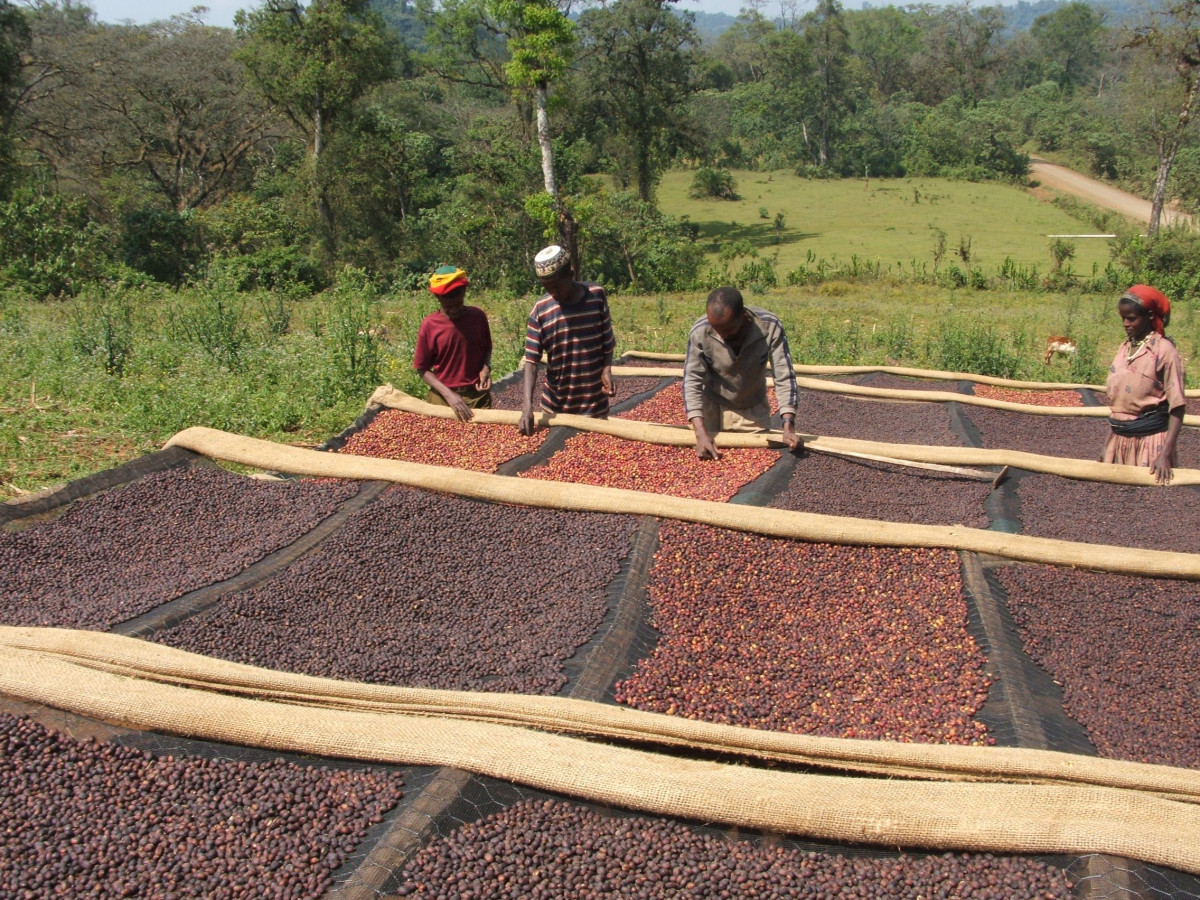
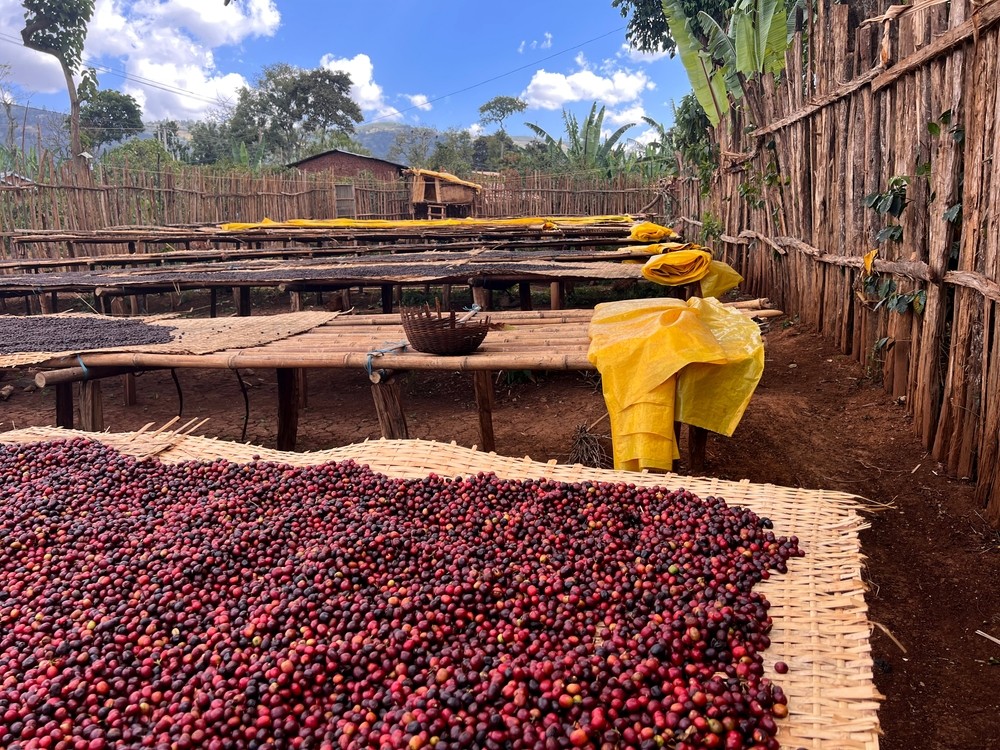
Sidamo is one of Ethiopia’s most historic and globally recognized coffee-growing regions, located in the southern part of the country, primarily within the Sidama Zone of the Southern Nations, Nationa
Guji is a prominent coffee-growing region in southern Ethiopia, located within the Oromia Regional State, and bordering the famed Sidama and Yirgachefe coffee zones.
The Chichontepec region, also known as the San Vicente region, is recognized as one of El Salvador's newest official coffee territories. It has rapidly transitioned from a traditional producer to a s
Harrar (Harar) is one of Ethiopia’s most celebrated and historic coffee-growing regions, located in the eastern highlands of the country, within the Harari, Oromia, and Somali regional borders.
The Cacahuatique region stands out within El Salvador for its distinctive soil and challenging terrain, which necessitate unique farming practices. This area is known for producing dependable coffees
Yirgachefe (Yirgacheffe) is one of Ethiopia’s most renowned coffee-growing regions, located in the Gedeo Zone of southern Ethiopia, within the larger Sidama coffee area.
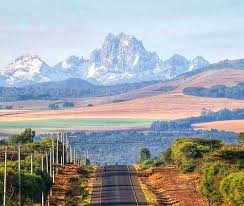
Nyeri County is a major coffee-producing region in central Kenya, situated on the western slopes of Mount Kenya and along the Aberdare Range.
Embu and Meru Counties are neighboring counties in eastern and central Kenya, located on the eastern and northeastern slopes of Mount Kenya, where altitude, fertile volcanic soils, and reliable rainfa
Aberdare coffee refers to coffee grown along the Aberdare Range (Aberdare Mountains) in central Kenya, one of the country’s most important highland coffee zones.
Kirinyaga County in central Kenya is renowned for high-altitude, washed coffees with bright acidity, full body, and distinctive blackcurrant and citrus flavour grown on the fertile slopes of Mount Ken
The Tecapa-Chinameca region, located on the eastern side of El Salvador, is a significant contributor to the national coffee output and a producer of distinct, bold flavor profiles. This area has ear
The El Bálsamo-Quezaltepec region, located in central El Salvador, is steeped in heritage and innovation. It is named after the native Balsam of Peru trees (Myroxylon balsamum) that dominate the land
The Alotepec-Metapán region, located in the northwestern corner of El Salvador, is often referred to as the "Specialty Frontier." While it produces less volume than the western ranges, it has gained
The Apaneca-Ilamatepec region is El Salvador's most prominent coffee-growing territory, serving as the national benchmark for quality and volume. It was the first region in the country to receive a D
Eastern (Oro) Province Coffee The Eastern Province, officially known as Oro Province, is a distinct coffee-growing region on Papua New Guinea's northeastern coast, centered around the agricultural Pop
Jiwaka Province Carved from the western part of the Western Highlands Province in 2012, Jiwaka is Papua New Guinea's newest province. Its creation recognized the distinct cultural identity of the ind
The Eastern Highlands Province is the historic heartland of Papua New Guinea’s coffee industry, renowned for producing exceptionally balanced and refined coffees. Centered around the cultural hub of G
Western Highlands Province is the vibrant, productive heart of Papua New Guinea's coffee industry. Grown by smallholder farmers on rich volcanic soils at high altitudes, its coffee is celebrated for a
Nestled between the Solomon Sea and PNG's central cordillera, Morobe Province is a region of dramatic contrasts and rich coffee tradition. Its beans are cultivated across a stunning range of altitudes
Simbu Province, in Papua New Guinea's central highlands, is a renowned coffee-growing region defined by its extreme altitude, vibrant communities, and distinctive beans. Grown on steep slopes often ab
Nestled in the breathtaking landscapes of Guatemala, Antigua coffee stands as a testament to the region's rich agricultural heritage and unique environmental conditions.
Norte de Santander coffee is Colombia’s birthplace brew, rich with chocolate notes and bright citrus acidity.
Cauca coffee blooms in Colombia’s volcanic highlands, bursting with citrus brightness and caramel sweetness.
Colombia’s Central Coffee Region brews a vibrant cup where Andes peaks meet rich volcanic soil.
Bahia coffee offers a bright, fruity, and complex cup — a rising star in Brazil’s specialty coffee scene.
São Paulo coffee is smooth and mild, historically exported as “Santos” beans, and remains a cornerstone of Brazil’s coffee heritage.
Minas Gerais coffee is rich and smooth, with chocolate notes, balanced acidity, and a full body
Espírito Santo coffee is bold and earthy, often with lower acidity and strong, robust Flavors.
Cerrado coffee is sweet and consistent, with caramel notes, medium body, and balanced acidity.
Sul de Minas coffee is smooth and balanced, with sweet chocolate notes and gentle acidity.
BALI Coffee, a unique and innovative brand, stands out in the specialty coffee scene by seamlessly blending quality, sustainability, and community engagement.
imagin holding a glass dripping with condensation, the dark brew swirling into creamy condensed milk, the first sip hitting you with bold intensity followed by silky sweetness. That’s Vietnamese coffe
Ethiopia, producing well over 8 million 60-kg bags (which equates to approximately 500,000 metric tonnes in recent years) of coffee annually, stands as Africa’s largest coffee producer and among the t
The eastern slopes of Mount Kenya, shared by Embu and Meru Counties, represent one of the most dynamic and high-potential coffee-producing corridors in Kenya.
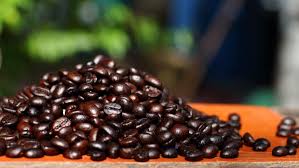
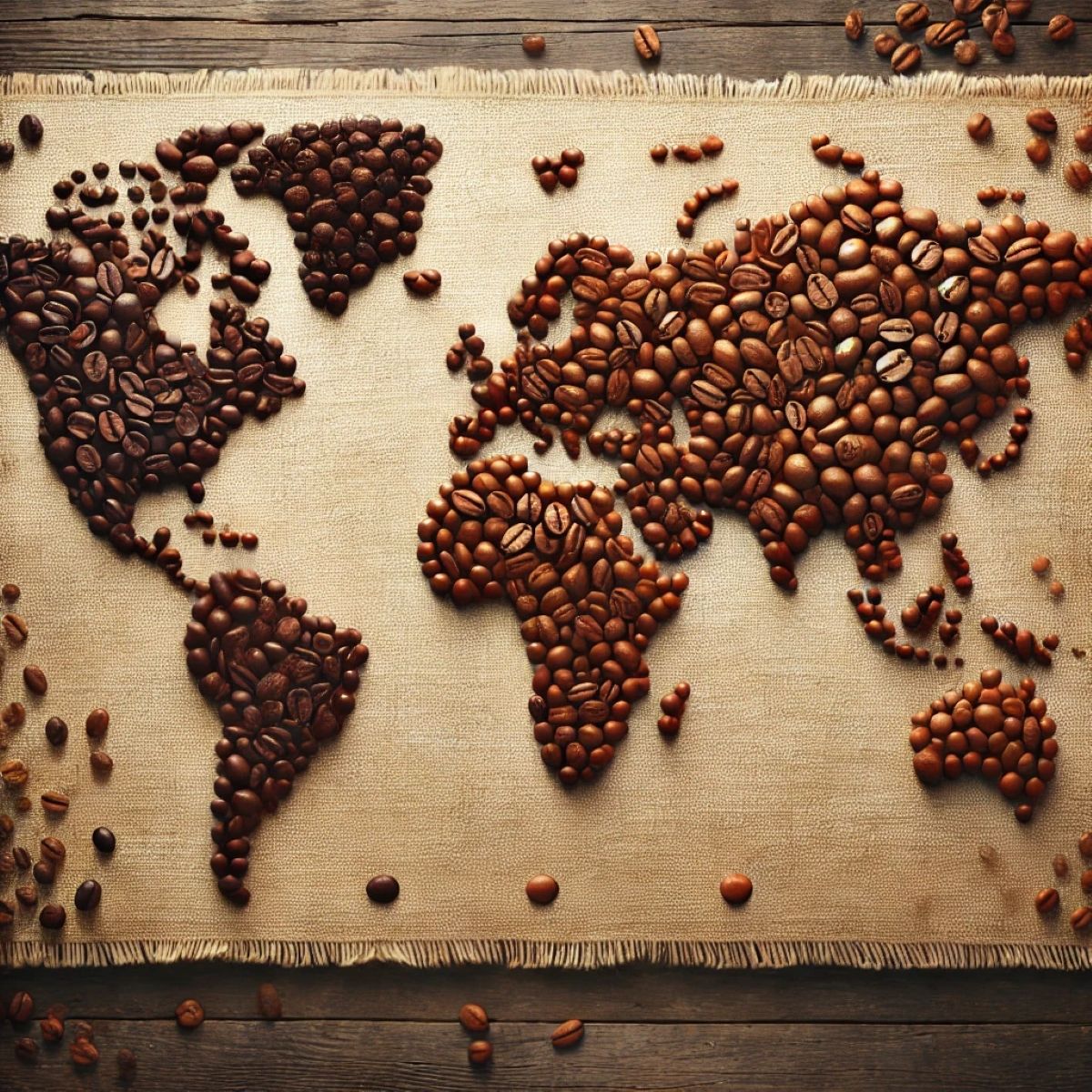
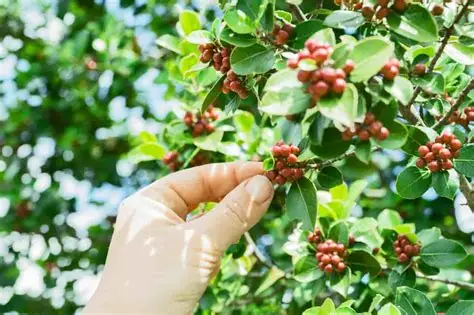
Every bean tells a story — of soil, altitude, and heritage that shape coffee’s true identity.
A combination of traditional farming methods and modern scientific practices allows Nyeri to maintain its position as a global leader in specialty coffee.
Smart tech is revolutionizing coffee farming — from soil sensors to AI, farmers are brewing a digital future from the ground up.
Smart tech is revolutionizing coffee farming — from soil sensors to AI, farmers are brewing a digital future from the ground up.
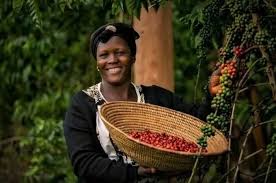
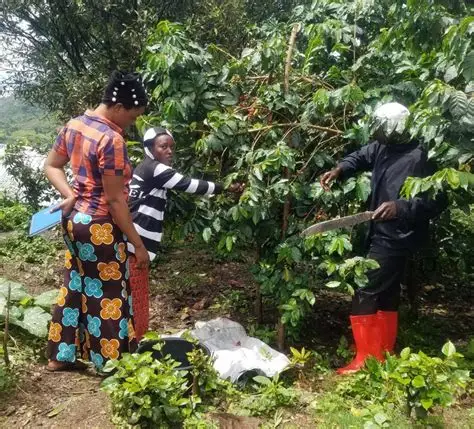
Across the coffee belt, farmers are evolving from producers to entrepreneurs. Discover how local innovation, women’s leadership, and sustainable farming are transforming rural economies — one bean, on
Kirinyaga offers a quintessential example of Kenyan highland coffee: lively acidity, clean cup, intense fruit-forward notes, and floral undertones, all reflecting the unique terroir of Mount Kenya’s s
Discover how soil, climate, and science shape the flavor of every coffee bean. From nutrient-rich earth to precise cultivation, explore the hidden chemistry and craftsmanship that turn coffee farming
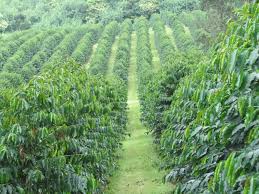
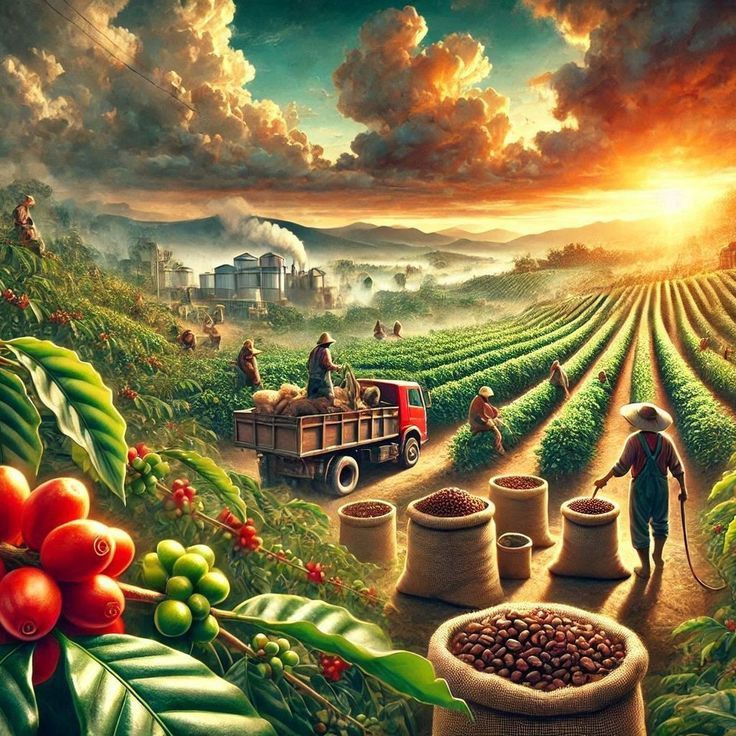
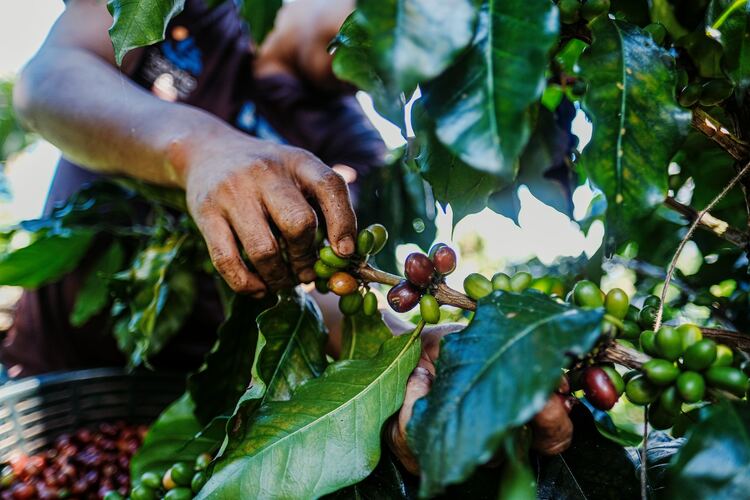
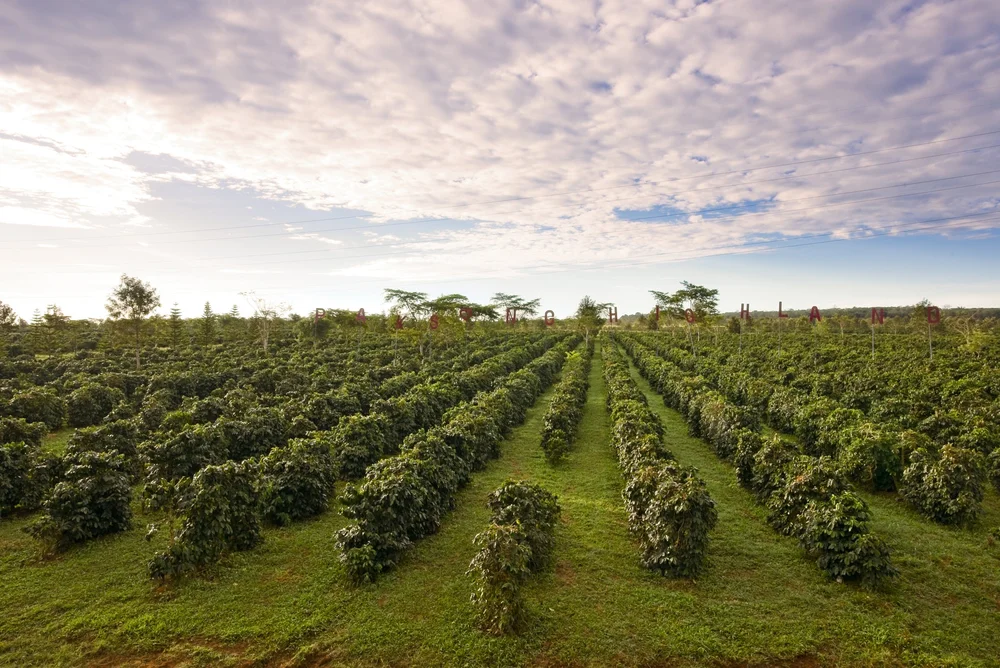
From seed to sip, Crop Chronicles uncovers coffee’s remarkable journey — from the hands of dedicated farmers to the art of roasting and brewing, shaping every cup with care and passion.









.jpeg)