Shopping cart
Your cart empty!
Your cart empty!
Terms of use dolor sit amet consectetur, adipisicing elit. Recusandae provident ullam aperiam quo ad non corrupti sit vel quam repellat ipsa quod sed, repellendus adipisci, ducimus ea modi odio assumenda.
Lorem ipsum dolor sit amet consectetur adipisicing elit. Sequi, cum esse possimus officiis amet ea voluptatibus libero! Dolorum assumenda esse, deserunt ipsum ad iusto! Praesentium error nobis tenetur at, quis nostrum facere excepturi architecto totam.
Lorem ipsum dolor sit amet consectetur adipisicing elit. Inventore, soluta alias eaque modi ipsum sint iusto fugiat vero velit rerum.
Sequi, cum esse possimus officiis amet ea voluptatibus libero! Dolorum assumenda esse, deserunt ipsum ad iusto! Praesentium error nobis tenetur at, quis nostrum facere excepturi architecto totam.
Lorem ipsum dolor sit amet consectetur adipisicing elit. Inventore, soluta alias eaque modi ipsum sint iusto fugiat vero velit rerum.
Dolor sit amet consectetur adipisicing elit. Sequi, cum esse possimus officiis amet ea voluptatibus libero! Dolorum assumenda esse, deserunt ipsum ad iusto! Praesentium error nobis tenetur at, quis nostrum facere excepturi architecto totam.
Lorem ipsum dolor sit amet consectetur adipisicing elit. Inventore, soluta alias eaque modi ipsum sint iusto fugiat vero velit rerum.
Sit amet consectetur adipisicing elit. Sequi, cum esse possimus officiis amet ea voluptatibus libero! Dolorum assumenda esse, deserunt ipsum ad iusto! Praesentium error nobis tenetur at, quis nostrum facere excepturi architecto totam.
Lorem ipsum dolor sit amet consectetur adipisicing elit. Inventore, soluta alias eaque modi ipsum sint iusto fugiat vero velit rerum.
Do you agree to our terms? Sign up
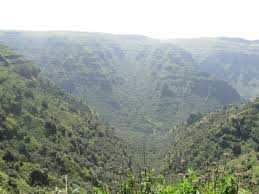
Soubré, situated in south-western Côte d’Ivoire in the Lower Sassandra region, is part of the country’s long-established Robusta coffee-producing belt, even though cocoa dominates the local agricultural economy. The area lies at low to medium elevations (approximately 200–400 meters above sea level) and experiences a humid tropical climate characterized by high temperatures, abundant sunshine, and annual rainfall ranging from 1,600 to over 2,000 mm. These environmental conditions are particularly favorable for Robusta coffee, which is more tolerant of heat, humidity, and lower altitudes than Arabica.
Coffee cultivation in Soubré is carried out almost entirely by smallholder farmers, typically on plots of less than one hectare. Farms are usually diversified, combining coffee with cocoa, plantain, cassava, maize, and sometimes oil palm. This mixed-cropping system helps households spread risk and maintain food security, but it also means that coffee often receives less intensive management than cocoa. Most coffee trees in the area are aging, and replanting rates are low due to limited access to improved seedlings, credit, and extension services. As a result, yields are generally modest and variable from year to year.
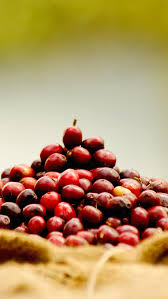
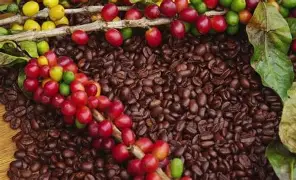
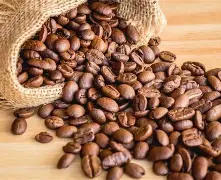
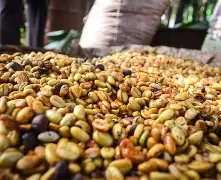
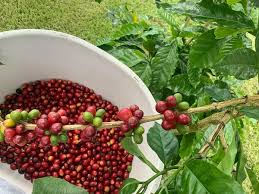
Production systems in Soubré are largely traditional and rain-fed, with minimal use of fertilizers, pesticides, or irrigation. Shade from forest trees or cocoa canopies is common, which can benefit coffee quality but may also reduce yields when farms are poorly managed. The main harvest season runs from November to March, following the major rainy period. Coffee cherries are typically harvested by hand and processed using simple dry (natural) methods, where cherries are sun-dried before being hulled. Processing infrastructure at the village level is limited, so farmers often sell dried cherries or green beans to local traders, cooperatives, or buying agents.
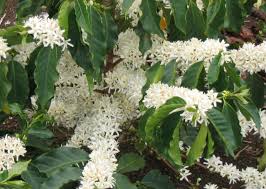
Over the past several decades, the importance of coffee production in Soubré has declined significantly. Cocoa has become the preferred cash crop because of higher and more stable income opportunities, stronger institutional support, and better market access. Many farmers have converted former coffee plots to cocoa or other crops, leading to a reduction in total coffee area. Additional challenges include price volatility on international markets, limited investment in farm renewal, soil fertility decline, and climate variability, such as irregular rainfall patterns that affect flowering and yields.
Despite these constraints, coffee remains part of the rural livelihood system in Soubré. For some households, it provides supplementary income during periods when cocoa revenues are low. At a broader level, Soubré’s coffee sector reflects the wider situation in Côte d’Ivoire, where coffee—once a major export commodity—now plays a secondary but still meaningful role in agricultural production. With improved planting material, better farm management, and supportive policies, coffee production in Soubré could continue to contribute to income diversification and rural resilience within the region’s predominantly cocoa-based economy.

.png)





No Comments Found!