Shopping cart
Your cart empty!
Your cart empty!
Terms of use dolor sit amet consectetur, adipisicing elit. Recusandae provident ullam aperiam quo ad non corrupti sit vel quam repellat ipsa quod sed, repellendus adipisci, ducimus ea modi odio assumenda.
Lorem ipsum dolor sit amet consectetur adipisicing elit. Sequi, cum esse possimus officiis amet ea voluptatibus libero! Dolorum assumenda esse, deserunt ipsum ad iusto! Praesentium error nobis tenetur at, quis nostrum facere excepturi architecto totam.
Lorem ipsum dolor sit amet consectetur adipisicing elit. Inventore, soluta alias eaque modi ipsum sint iusto fugiat vero velit rerum.
Sequi, cum esse possimus officiis amet ea voluptatibus libero! Dolorum assumenda esse, deserunt ipsum ad iusto! Praesentium error nobis tenetur at, quis nostrum facere excepturi architecto totam.
Lorem ipsum dolor sit amet consectetur adipisicing elit. Inventore, soluta alias eaque modi ipsum sint iusto fugiat vero velit rerum.
Dolor sit amet consectetur adipisicing elit. Sequi, cum esse possimus officiis amet ea voluptatibus libero! Dolorum assumenda esse, deserunt ipsum ad iusto! Praesentium error nobis tenetur at, quis nostrum facere excepturi architecto totam.
Lorem ipsum dolor sit amet consectetur adipisicing elit. Inventore, soluta alias eaque modi ipsum sint iusto fugiat vero velit rerum.
Sit amet consectetur adipisicing elit. Sequi, cum esse possimus officiis amet ea voluptatibus libero! Dolorum assumenda esse, deserunt ipsum ad iusto! Praesentium error nobis tenetur at, quis nostrum facere excepturi architecto totam.
Lorem ipsum dolor sit amet consectetur adipisicing elit. Inventore, soluta alias eaque modi ipsum sint iusto fugiat vero velit rerum.
Do you agree to our terms? Sign up
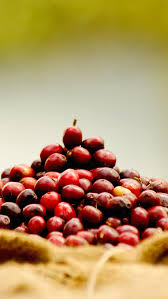
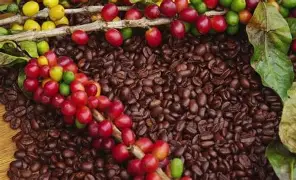
Bongouanou is an important agricultural area in central-eastern Côte d’Ivoire, within the former N’Zi-Comoé region, and has historically contributed to the country’s coffee and cocoa production. Coffee cultivation expanded in Bongouanou during the mid-20th century as farmers moved inland to establish plantations in the forest–savanna transition zone.
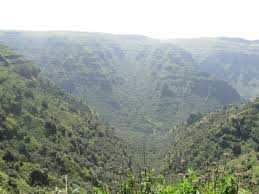
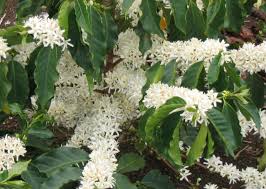
The area experiences a humid tropical climate with annual rainfall of about 1,200–1,600 mm, warm temperatures, and relatively flat to gently undulating terrain. Soils are generally ferrallitic and moderately fertile, suitable for perennial crops. Coffee is grown mainly at elevations of 200–500 meters, conditions that favor Robusta coffee (Coffea canephora), which dominates production in Bongouanou and most of Côte d’Ivoire.
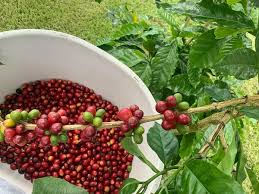
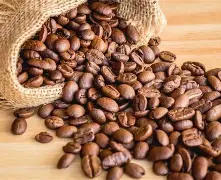
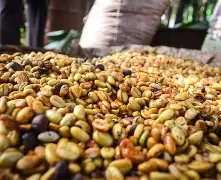
Coffee farming in Bongouanou is largely carried out by smallholder farmers, often in mixed farming systems. Coffee trees are commonly intercropped with cocoa, food crops (such as yam, cassava, and maize), and shade trees, especially during the early years of plantation establishment. Harvesting is done by hand, and dry processing is the standard post-harvest method.
In recent years, coffee production in Bongouanou has declined due to aging coffee trees, soil fertility depletion, labor shortages, and stronger economic incentives for cocoa cultivation. Despite these constraints, coffee remains part of the agricultural landscape, and with replanting programs, improved Robusta varieties, and better farm management, Bongouanou retains potential for revitalized coffee production within Côte d’Ivoire’s central-eastern growing belt.


.png)





No Comments Found!