Shopping cart
Your cart empty!
Your cart empty!
Terms of use dolor sit amet consectetur, adipisicing elit. Recusandae provident ullam aperiam quo ad non corrupti sit vel quam repellat ipsa quod sed, repellendus adipisci, ducimus ea modi odio assumenda.
Lorem ipsum dolor sit amet consectetur adipisicing elit. Sequi, cum esse possimus officiis amet ea voluptatibus libero! Dolorum assumenda esse, deserunt ipsum ad iusto! Praesentium error nobis tenetur at, quis nostrum facere excepturi architecto totam.
Lorem ipsum dolor sit amet consectetur adipisicing elit. Inventore, soluta alias eaque modi ipsum sint iusto fugiat vero velit rerum.
Sequi, cum esse possimus officiis amet ea voluptatibus libero! Dolorum assumenda esse, deserunt ipsum ad iusto! Praesentium error nobis tenetur at, quis nostrum facere excepturi architecto totam.
Lorem ipsum dolor sit amet consectetur adipisicing elit. Inventore, soluta alias eaque modi ipsum sint iusto fugiat vero velit rerum.
Dolor sit amet consectetur adipisicing elit. Sequi, cum esse possimus officiis amet ea voluptatibus libero! Dolorum assumenda esse, deserunt ipsum ad iusto! Praesentium error nobis tenetur at, quis nostrum facere excepturi architecto totam.
Lorem ipsum dolor sit amet consectetur adipisicing elit. Inventore, soluta alias eaque modi ipsum sint iusto fugiat vero velit rerum.
Sit amet consectetur adipisicing elit. Sequi, cum esse possimus officiis amet ea voluptatibus libero! Dolorum assumenda esse, deserunt ipsum ad iusto! Praesentium error nobis tenetur at, quis nostrum facere excepturi architecto totam.
Lorem ipsum dolor sit amet consectetur adipisicing elit. Inventore, soluta alias eaque modi ipsum sint iusto fugiat vero velit rerum.
Do you agree to our terms? Sign up
Nestled in the eastern Democratic Republic of the Congo, Maniema Province is a mountainous, forested region known for its fertile soils, rolling highlands, and abundant rainfall. While relatively remote, Maniema forms an important part of the DRC’s highland Arabica coffee belt, producing beans with unique character and quality potential.
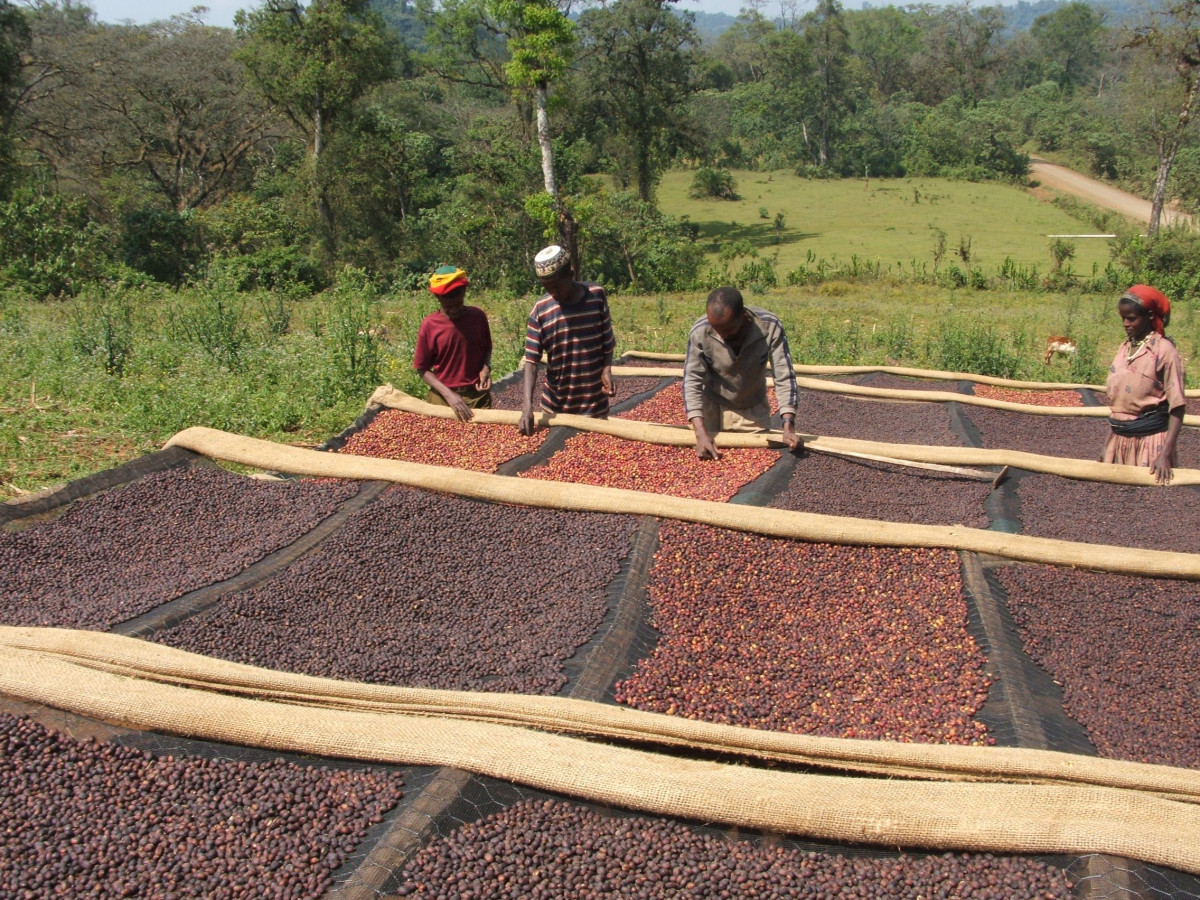
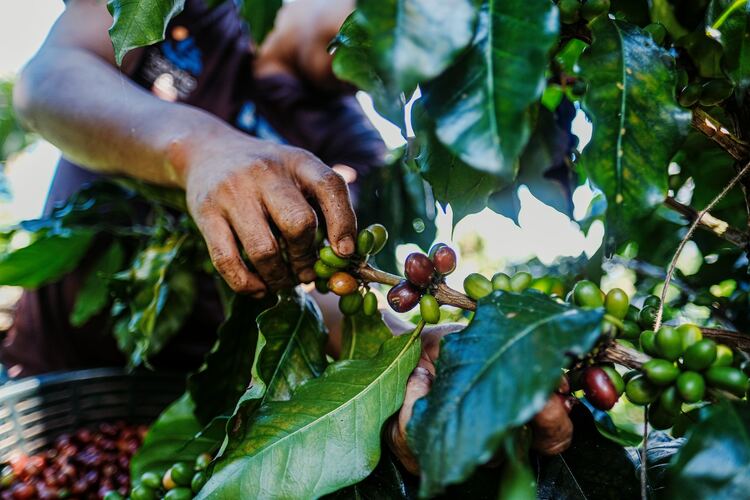
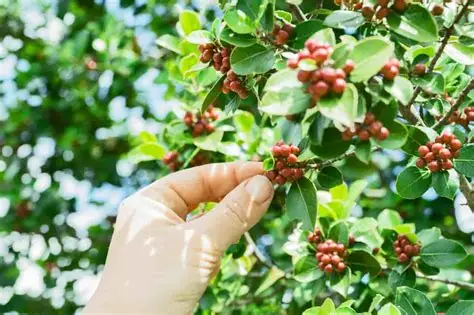
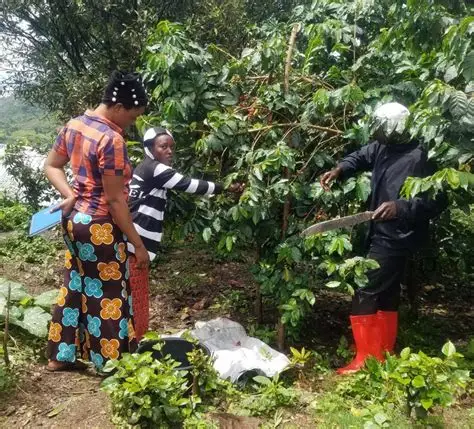
Coffee in Maniema is cultivated mostly in elevated zones where volcanic and loamy soils provide rich nutrients. The province’s tropical highland climate — with cool mornings, sunny days, and consistent rainfall — allows Arabica coffee beans to mature slowly, enhancing sugar development and flavor complexity. Farms are largely smallholder operations, often integrating coffee trees under shade with food crops, and relying on traditional cultivation and harvesting techniques.
Maniema coffee is prized for its balance and smoothness. Typical attributes include:
Medium body
Gentle, pleasant acidity
Subtle fruity notes (citrus, red berries)
Chocolate and earthy undertones
These characteristics make Maniema coffee versatile for both specialty single-origin roasting and blends, offering a mild but flavorful profile appreciated by discerning coffee drinkers.
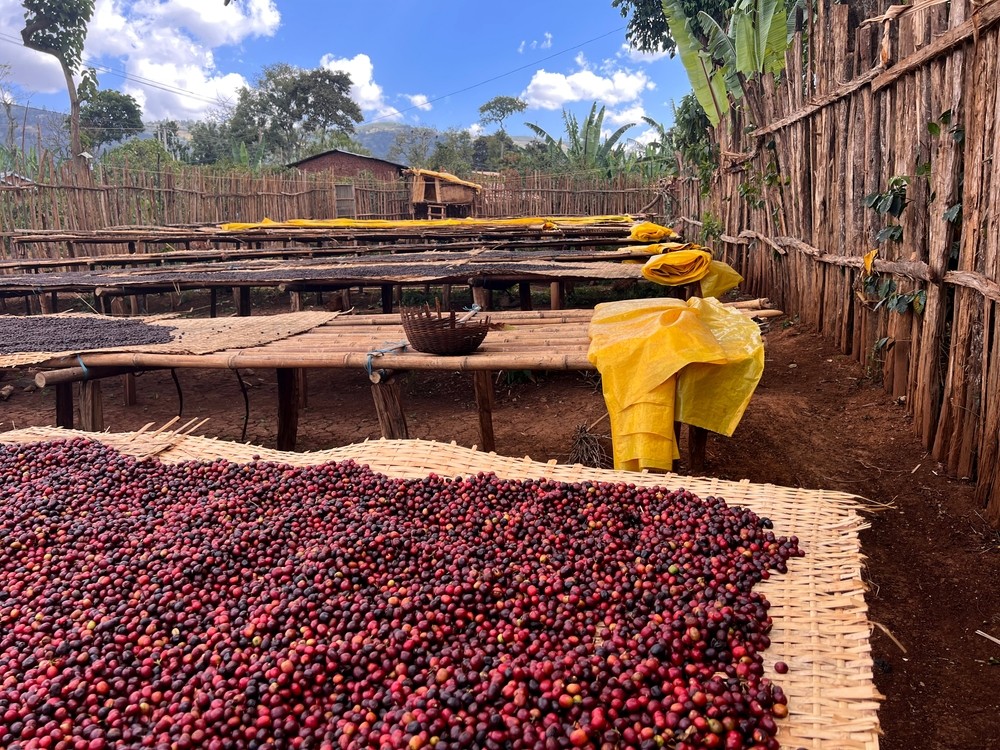
The province faces infrastructure limitations and logistical challenges that affect coffee processing and market access. However, cooperative initiatives and quality-focused programs are helping smallholder farmers improve post-harvest practices and connect with domestic and international buyers. With continued support, Maniema coffee has potential to gain wider recognition in specialty coffee markets.
Though less well-known than the Kivu region, Maniema Province offers a distinct highland Arabica experience. Its fertile volcanic soils, careful smallholder cultivation, and subtle cup profile make it an underexplored gem within the DRC’s coffee-producing landscape — a quiet yet promising origin for roasters and coffee enthusiasts seeking unique African coffees
.png)





No Comments Found!