Shopping cart
Your cart empty!
Your cart empty!
Terms of use dolor sit amet consectetur, adipisicing elit. Recusandae provident ullam aperiam quo ad non corrupti sit vel quam repellat ipsa quod sed, repellendus adipisci, ducimus ea modi odio assumenda.
Lorem ipsum dolor sit amet consectetur adipisicing elit. Sequi, cum esse possimus officiis amet ea voluptatibus libero! Dolorum assumenda esse, deserunt ipsum ad iusto! Praesentium error nobis tenetur at, quis nostrum facere excepturi architecto totam.
Lorem ipsum dolor sit amet consectetur adipisicing elit. Inventore, soluta alias eaque modi ipsum sint iusto fugiat vero velit rerum.
Sequi, cum esse possimus officiis amet ea voluptatibus libero! Dolorum assumenda esse, deserunt ipsum ad iusto! Praesentium error nobis tenetur at, quis nostrum facere excepturi architecto totam.
Lorem ipsum dolor sit amet consectetur adipisicing elit. Inventore, soluta alias eaque modi ipsum sint iusto fugiat vero velit rerum.
Dolor sit amet consectetur adipisicing elit. Sequi, cum esse possimus officiis amet ea voluptatibus libero! Dolorum assumenda esse, deserunt ipsum ad iusto! Praesentium error nobis tenetur at, quis nostrum facere excepturi architecto totam.
Lorem ipsum dolor sit amet consectetur adipisicing elit. Inventore, soluta alias eaque modi ipsum sint iusto fugiat vero velit rerum.
Sit amet consectetur adipisicing elit. Sequi, cum esse possimus officiis amet ea voluptatibus libero! Dolorum assumenda esse, deserunt ipsum ad iusto! Praesentium error nobis tenetur at, quis nostrum facere excepturi architecto totam.
Lorem ipsum dolor sit amet consectetur adipisicing elit. Inventore, soluta alias eaque modi ipsum sint iusto fugiat vero velit rerum.
Do you agree to our terms? Sign up
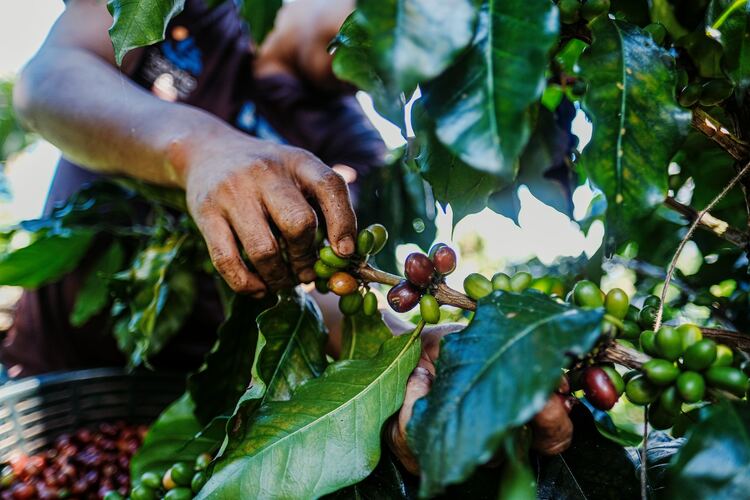
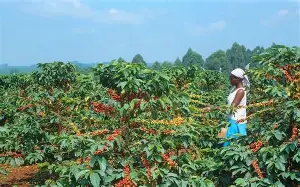
In the lush, humid landscapes of Tshopo Province, along the mighty Congo River near the city of Kisangani, coffee quietly grows under a canopy of equatorial rainforest. Unlike the high-altitude Arabica belts farther east in the country, Tshopo’s coffee story is rooted in Robusta (Coffea canephora) — a resilient species that thrives in warm, wet lowland conditions.
Tshopo’s climate is defined by consistent heat and heavy rainfall, with little seasonal variation. These conditions, combined with rich alluvial and forest soils, provide a welcoming environment for Robusta coffee trees. Elevations here are low compared with well-known highland origins, but the steady tropical warmth helps Robusta develop its characteristic strength and robust traits.
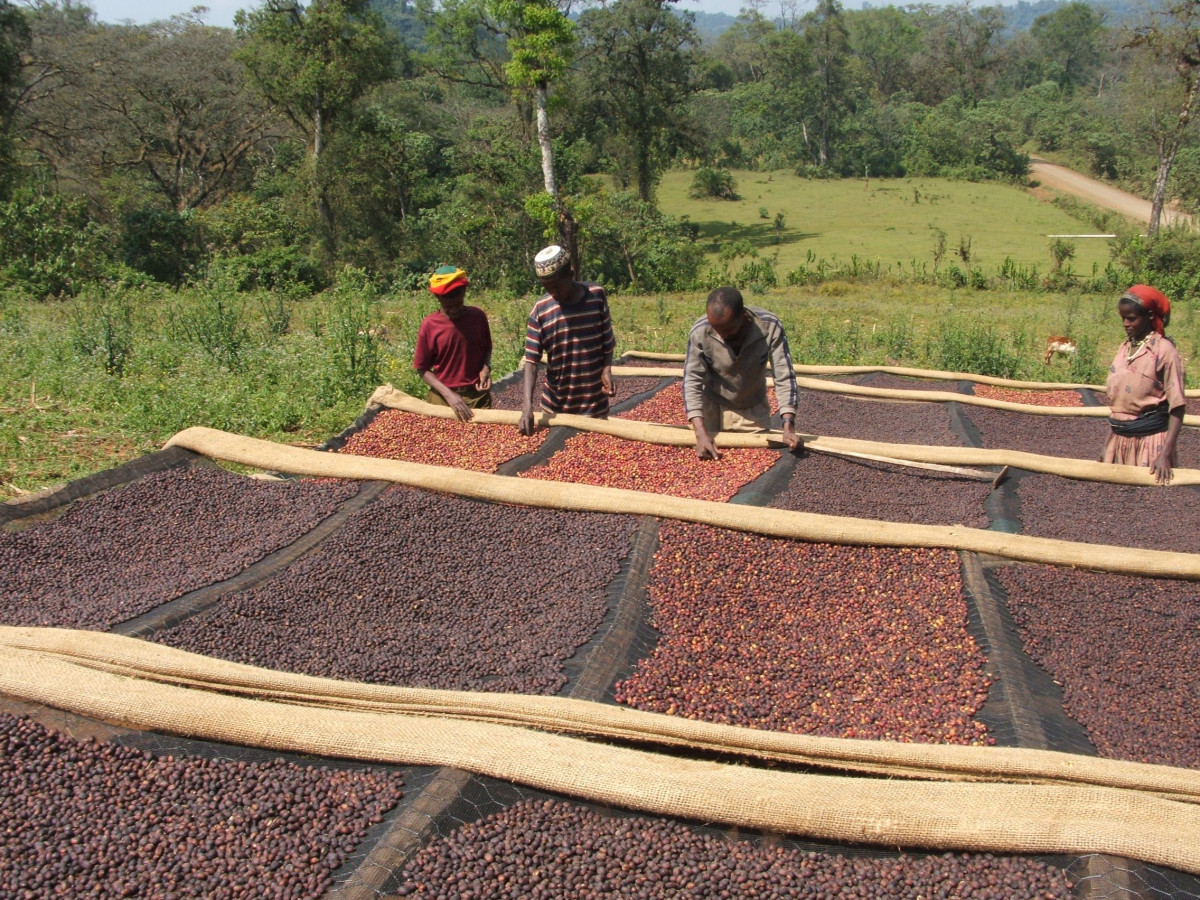
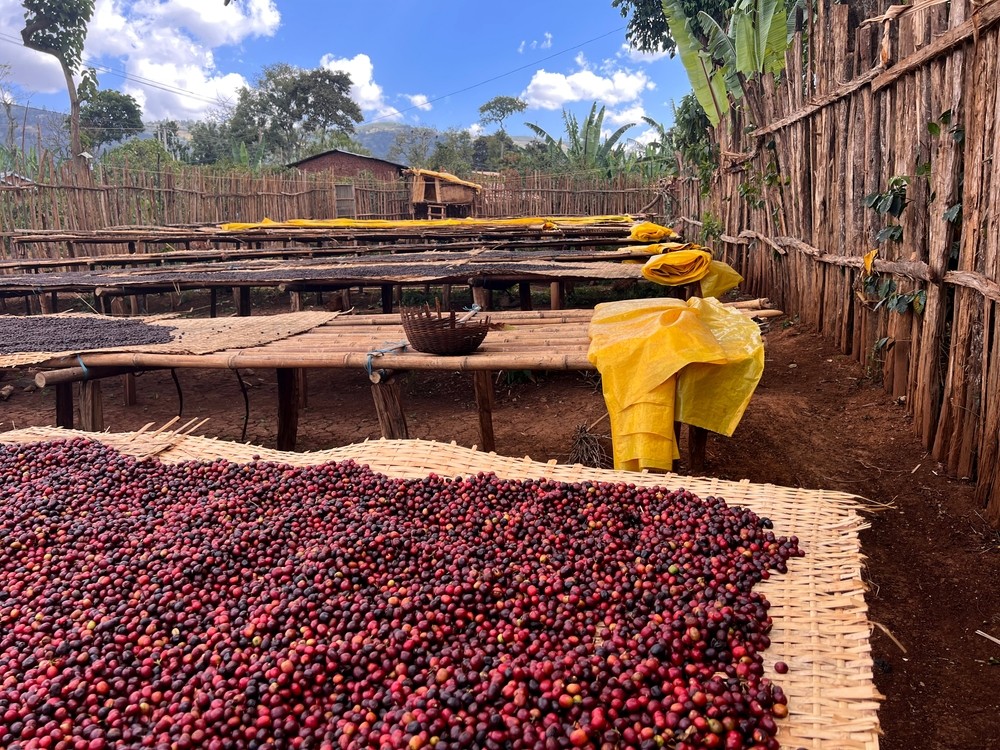
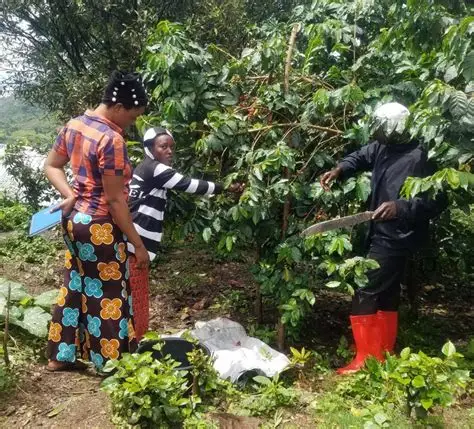
Coffee cultivation in Tshopo is overwhelmingly a smallholder endeavour. Families and local communities tend modest plots, integrating coffee trees with other crops and using largely traditional agricultural techniques passed down through generations. Machinery and modern inputs are limited, but deep local knowledge and hands-on care help sustain production through challenges.
Robusta coffees from Tshopo are typically:
Full-bodied
Low in acidity
Earthy, woody, or spicy
With a rich, substantial mouthfeel
These attributes make Tshopo Robusta especially useful in espresso blends and as a backbone for commercial coffee products where body and strength are prized. While not yet widely featured as single-origin specialty lots on the world stage, the coffee plays a meaningful role in broader coffee supply chains and local consumption.
Like many rural coffee regions in the Democratic Republic of the Congo, Tshopo’s coffee sector has faced persistent challenges:
Difficult transport and market access due to limited infrastructure
Competition with more lucrative cash crops
Historical underinvestment in processing facilities and supply chain development
Despite these obstacles, regional initiatives and interest from buyers have created opportunities for renewed engagement. Efforts to strengthen farmer cooperatives, improve coffee processing practices, and connect producers with export markets could increase both quality and value over time.
Coffee from Tshopo may not yet carry the fame of Congo’s highland Arabicas, but it carries its own quiet significance. Built on resilient trees and the work of dedicated smallholders, Tshopo coffee speaks to the diversity of the DRC’s coffee landscape. With growing attention on African robustas and supply chain investments, there’s potential for this equatorial region’s coffee to find broader appreciation and new markets — honoring tradition while cultivating fresh opportunities
.png)





No Comments Found!