Shopping cart
Your cart empty!
Your cart empty!
Terms of use dolor sit amet consectetur, adipisicing elit. Recusandae provident ullam aperiam quo ad non corrupti sit vel quam repellat ipsa quod sed, repellendus adipisci, ducimus ea modi odio assumenda.
Lorem ipsum dolor sit amet consectetur adipisicing elit. Sequi, cum esse possimus officiis amet ea voluptatibus libero! Dolorum assumenda esse, deserunt ipsum ad iusto! Praesentium error nobis tenetur at, quis nostrum facere excepturi architecto totam.
Lorem ipsum dolor sit amet consectetur adipisicing elit. Inventore, soluta alias eaque modi ipsum sint iusto fugiat vero velit rerum.
Sequi, cum esse possimus officiis amet ea voluptatibus libero! Dolorum assumenda esse, deserunt ipsum ad iusto! Praesentium error nobis tenetur at, quis nostrum facere excepturi architecto totam.
Lorem ipsum dolor sit amet consectetur adipisicing elit. Inventore, soluta alias eaque modi ipsum sint iusto fugiat vero velit rerum.
Dolor sit amet consectetur adipisicing elit. Sequi, cum esse possimus officiis amet ea voluptatibus libero! Dolorum assumenda esse, deserunt ipsum ad iusto! Praesentium error nobis tenetur at, quis nostrum facere excepturi architecto totam.
Lorem ipsum dolor sit amet consectetur adipisicing elit. Inventore, soluta alias eaque modi ipsum sint iusto fugiat vero velit rerum.
Sit amet consectetur adipisicing elit. Sequi, cum esse possimus officiis amet ea voluptatibus libero! Dolorum assumenda esse, deserunt ipsum ad iusto! Praesentium error nobis tenetur at, quis nostrum facere excepturi architecto totam.
Lorem ipsum dolor sit amet consectetur adipisicing elit. Inventore, soluta alias eaque modi ipsum sint iusto fugiat vero velit rerum.
Do you agree to our terms? Sign up
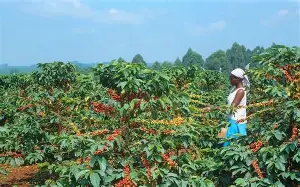
In the vast, green expanse of the Équateur Province in northwestern the Democratic Republic of the Congo, coffee grows to a different beat. Far from the mist-shrouded highlands of eastern Congo, this region’s coffee story is one of tropical heat, dense rainforest, and robust character — a story grounded in tradition, resilience, and the deep roots of Coffea canephora.
Équateur Province is not an Arabica arena. Instead, it is one of DRC’s key Robusta coffee zones, shaped by its low-altitude equatorial climate. Here, heavy rainfall, warm temperatures, and fertile soils support coffee that is naturally hearty and vigorous. In contrast to the floral acidity and bright complexity of highland Arabicas, the robustas of Équateur offer earthy depth, full body, and rich texture — traits that have long made Congo’s Robusta a valuable component of blends and industrial coffee markets.
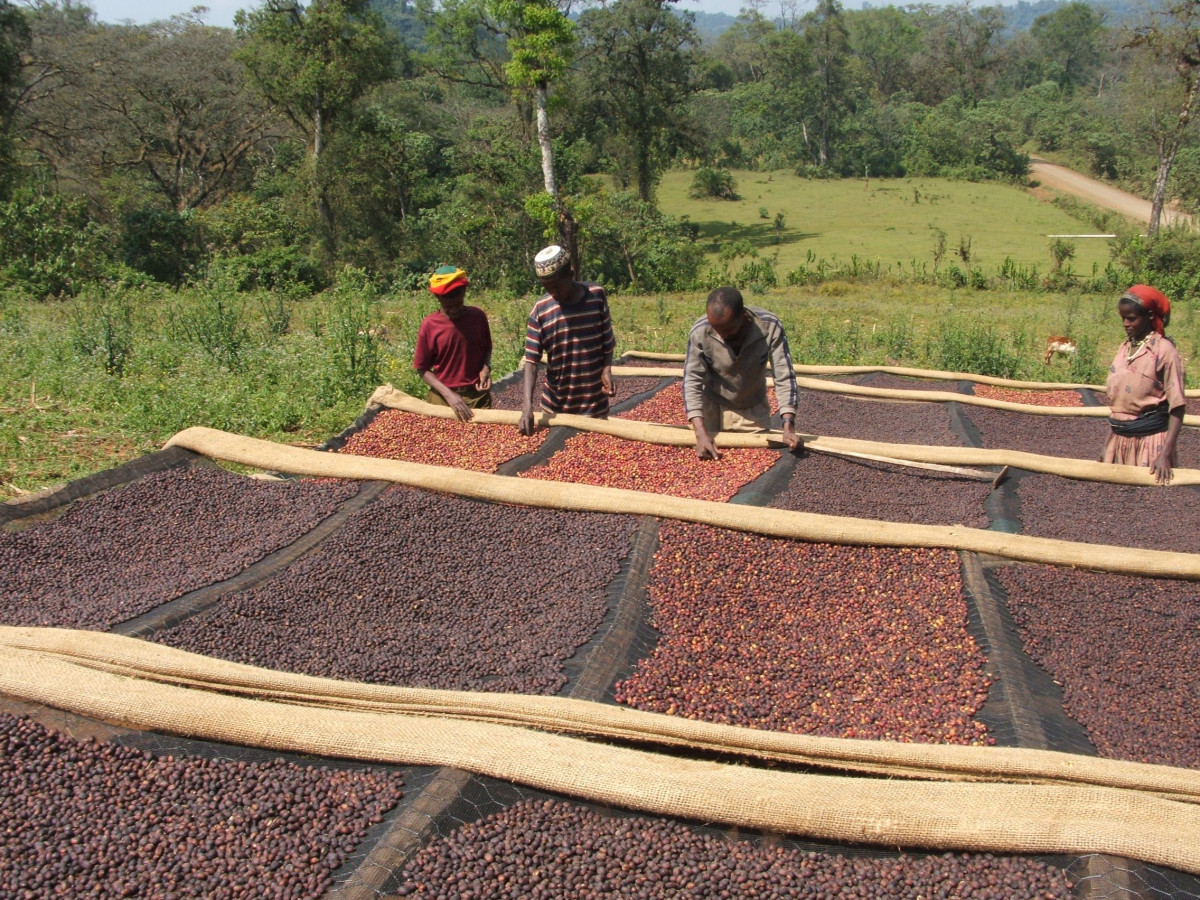
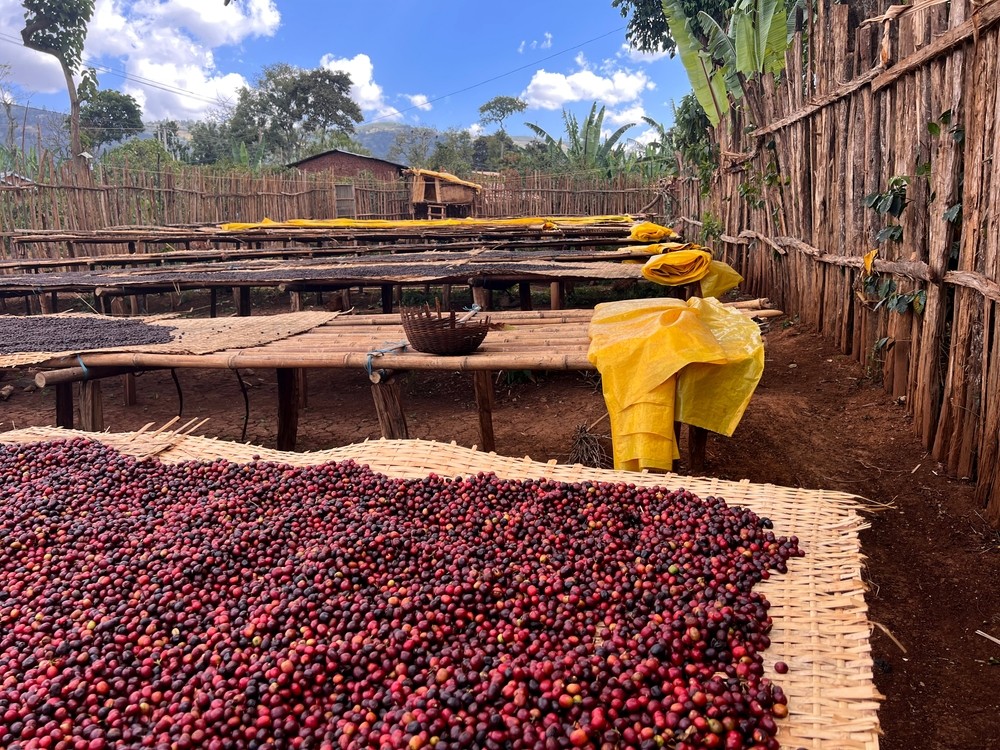
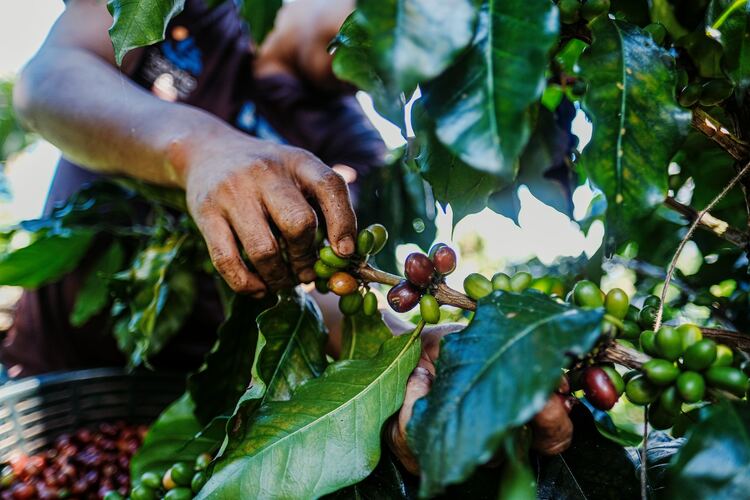
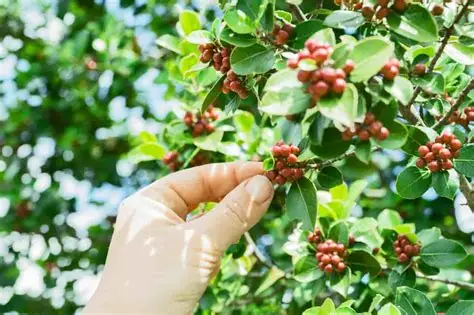
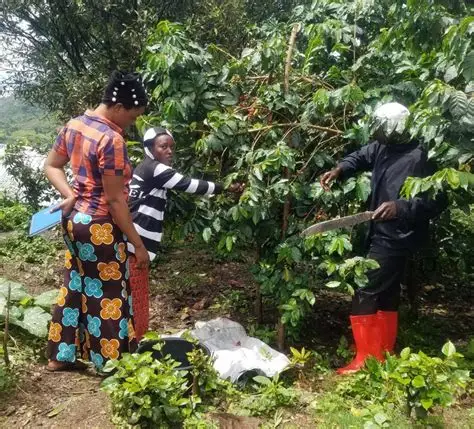
Coffee cultivation in Équateur is dominated by smallholder farmers, often working plots inherited through generations. These growers tend small clusters of coffee trees alongside other crops, using largely traditional cultivation and harvesting practices. Machinery and intensive agronomic inputs are rare, but deep local knowledge and community labor hold the crop together.
The coffee production cycle here aligns with the region’s rhythm of rain and warmth: heavy rains nourish the trees, while distinct dry intervals signal harvest time — a seasonal cadence that farm families know by instinct.
Coffees from Équateur Province are typically:
Full-bodied
Moderate to low in acidity
Earthy, woody, sometimes nutty or spicy in character
These robust traits make Équateur coffees especially well-suited for blending, particularly where a strong base and deep body are desired — such as in espresso blends or soluble coffee production. While the region’s coffee is less often spotlighted as a single-origin specialty on the world stage, it plays a meaningful role in supporting everyday cup experiences across markets.
Like many rural agricultural areas in the DRC, Équateur’s coffee sector has faced obstacles. Years of limited infrastructure, uneven market access, and broader economic instability dampened production and export capacity. However, recent efforts by cooperatives, NGOs, and development programs aim to revitalize coffee farming — from improving processing practices to strengthening farmer organization and opening new buyer relationships.
The potential is there: abundant land, a resilient coffee species, and a farming culture rooted in community. With the right support and investment, Équateur’s coffee story could evolve from under-the-radar robusta supply to a recognized part of the Congo’s broader coffee identity.
.png)





No Comments Found!