Shopping cart
Your cart empty!
Your cart empty!
Terms of use dolor sit amet consectetur, adipisicing elit. Recusandae provident ullam aperiam quo ad non corrupti sit vel quam repellat ipsa quod sed, repellendus adipisci, ducimus ea modi odio assumenda.
Lorem ipsum dolor sit amet consectetur adipisicing elit. Sequi, cum esse possimus officiis amet ea voluptatibus libero! Dolorum assumenda esse, deserunt ipsum ad iusto! Praesentium error nobis tenetur at, quis nostrum facere excepturi architecto totam.
Lorem ipsum dolor sit amet consectetur adipisicing elit. Inventore, soluta alias eaque modi ipsum sint iusto fugiat vero velit rerum.
Sequi, cum esse possimus officiis amet ea voluptatibus libero! Dolorum assumenda esse, deserunt ipsum ad iusto! Praesentium error nobis tenetur at, quis nostrum facere excepturi architecto totam.
Lorem ipsum dolor sit amet consectetur adipisicing elit. Inventore, soluta alias eaque modi ipsum sint iusto fugiat vero velit rerum.
Dolor sit amet consectetur adipisicing elit. Sequi, cum esse possimus officiis amet ea voluptatibus libero! Dolorum assumenda esse, deserunt ipsum ad iusto! Praesentium error nobis tenetur at, quis nostrum facere excepturi architecto totam.
Lorem ipsum dolor sit amet consectetur adipisicing elit. Inventore, soluta alias eaque modi ipsum sint iusto fugiat vero velit rerum.
Sit amet consectetur adipisicing elit. Sequi, cum esse possimus officiis amet ea voluptatibus libero! Dolorum assumenda esse, deserunt ipsum ad iusto! Praesentium error nobis tenetur at, quis nostrum facere excepturi architecto totam.
Lorem ipsum dolor sit amet consectetur adipisicing elit. Inventore, soluta alias eaque modi ipsum sint iusto fugiat vero velit rerum.
Do you agree to our terms? Sign up
The Kivu region, straddling the provinces of North Kivu and South Kivu, is one of the most dynamic and historically significant areas of the Democratic Republic of the Congo. Nestled along the shores of Lake Kivu and framed by the Albertine Rift mountains, the region is a mosaic of fertile highlands, dense forests, and active volcanic landscapes.
Kivu is defined by its volcanic soils, high elevations, and equatorial climate, which together support diverse ecosystems. Mount Nyiragongo and Mount Nyamuragira, two of Africa’s most active volcanoes, dominate the northern landscape, while rolling hills and fertile valleys stretch south toward Lake Kivu. The combination of high rainfall, cool mountain air, and mineral-rich soils makes the region agriculturally productive, supporting coffee, tea, bananas, and other crops.
The Kivu region is home to a rich tapestry of ethnic groups, including the Nande, Hutu, Tutsi, Hunde, and Lega peoples, each contributing to the cultural vibrancy of the area. Languages such as Swahili, French, and local dialects are commonly spoken. Traditional practices, artisan crafts, and vibrant markets reflect the deep-rooted cultural heritage of the region.
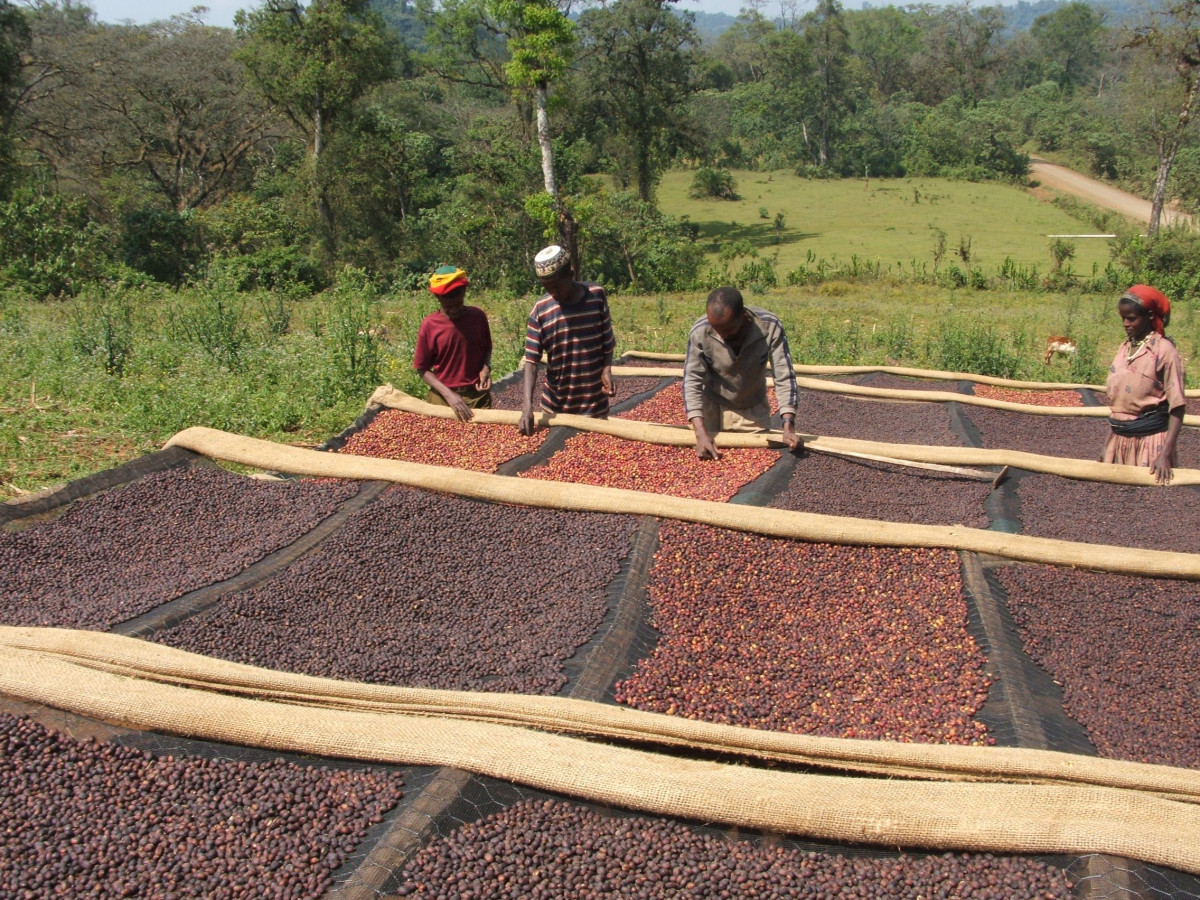
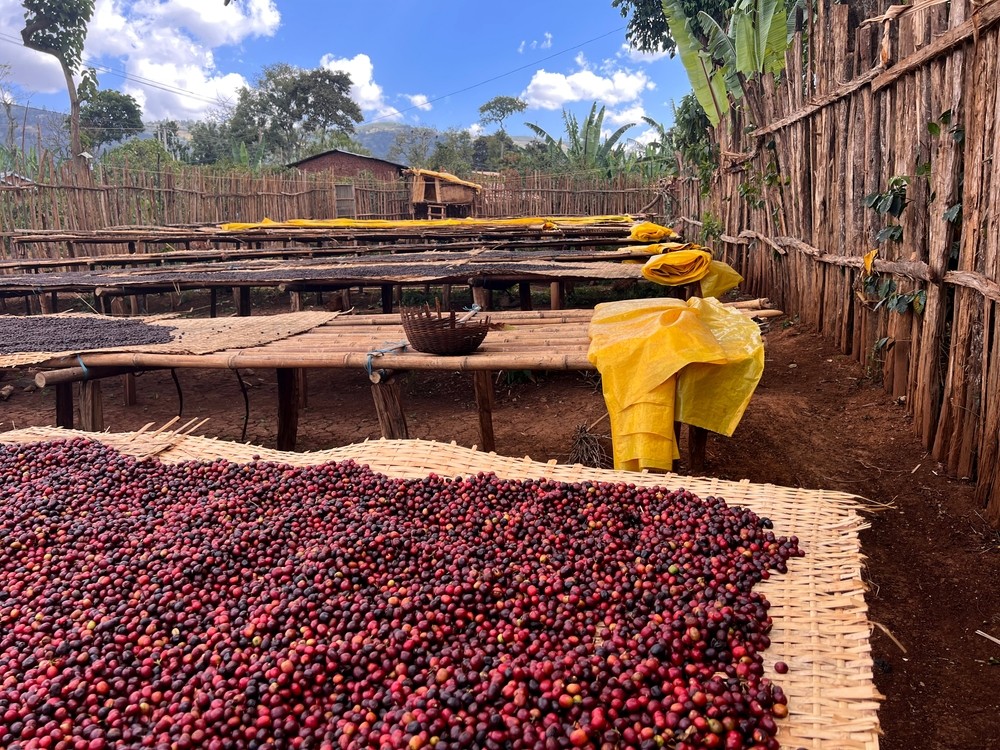
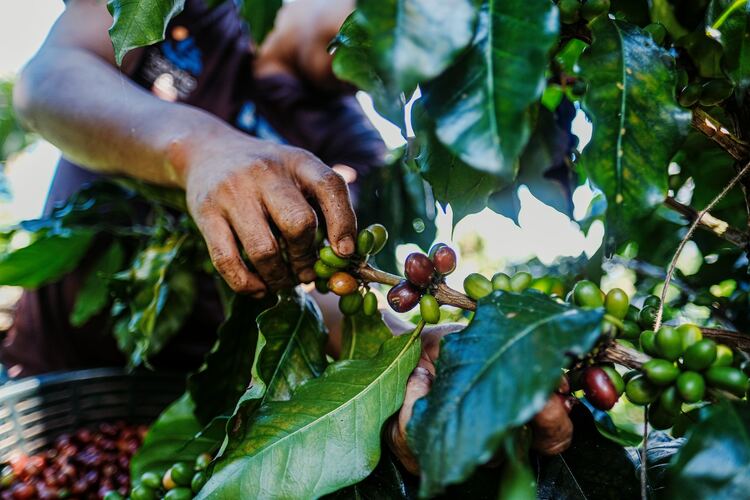
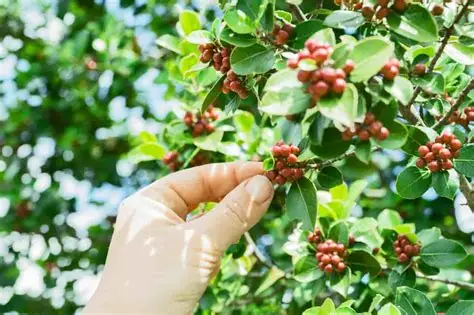
Kivu has long been an economic hub due to its fertile lands, natural resources, and proximity to Lake Kivu. Agriculture dominates livelihoods, with high-quality Arabica coffee from the highlands being one of the most notable products. Mining of minerals such as coltan, gold, and tin also plays a critical role, although these activities are often affected by regional conflicts.
Despite its natural wealth, Kivu faces ongoing security and infrastructure challenges. Historical conflicts, including civil unrest and militia activity, have affected communities and disrupted economic development. Infrastructure gaps — roads, transport, and access to markets — limit full economic potential, particularly for rural farmers.
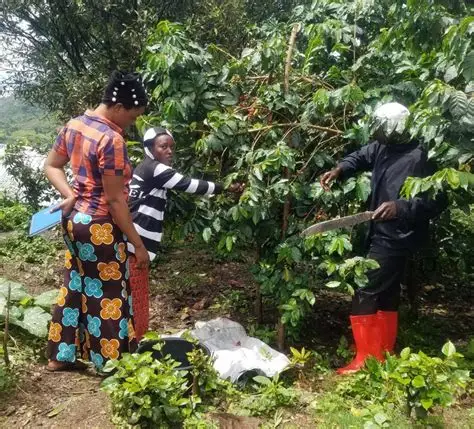
Kivu’s fertile landscapes, vibrant communities, and unique geography offer immense potential for growth in agriculture, tourism, and sustainable development. Efforts by NGOs, local cooperatives, and international partners aim to foster stability, improve infrastructure, and support smallholder farmers, particularly in coffee and other cash crops.
The Kivu region remains a land of contrasts — where natural beauty, cultural richness, and economic promise coexist alongside challenges that require resilience, innovation, and investment

.png)





No Comments Found!