Shopping cart
Your cart empty!
Your cart empty!
Terms of use dolor sit amet consectetur, adipisicing elit. Recusandae provident ullam aperiam quo ad non corrupti sit vel quam repellat ipsa quod sed, repellendus adipisci, ducimus ea modi odio assumenda.
Lorem ipsum dolor sit amet consectetur adipisicing elit. Sequi, cum esse possimus officiis amet ea voluptatibus libero! Dolorum assumenda esse, deserunt ipsum ad iusto! Praesentium error nobis tenetur at, quis nostrum facere excepturi architecto totam.
Lorem ipsum dolor sit amet consectetur adipisicing elit. Inventore, soluta alias eaque modi ipsum sint iusto fugiat vero velit rerum.
Sequi, cum esse possimus officiis amet ea voluptatibus libero! Dolorum assumenda esse, deserunt ipsum ad iusto! Praesentium error nobis tenetur at, quis nostrum facere excepturi architecto totam.
Lorem ipsum dolor sit amet consectetur adipisicing elit. Inventore, soluta alias eaque modi ipsum sint iusto fugiat vero velit rerum.
Dolor sit amet consectetur adipisicing elit. Sequi, cum esse possimus officiis amet ea voluptatibus libero! Dolorum assumenda esse, deserunt ipsum ad iusto! Praesentium error nobis tenetur at, quis nostrum facere excepturi architecto totam.
Lorem ipsum dolor sit amet consectetur adipisicing elit. Inventore, soluta alias eaque modi ipsum sint iusto fugiat vero velit rerum.
Sit amet consectetur adipisicing elit. Sequi, cum esse possimus officiis amet ea voluptatibus libero! Dolorum assumenda esse, deserunt ipsum ad iusto! Praesentium error nobis tenetur at, quis nostrum facere excepturi architecto totam.
Lorem ipsum dolor sit amet consectetur adipisicing elit. Inventore, soluta alias eaque modi ipsum sint iusto fugiat vero velit rerum.
Do you agree to our terms? Sign up
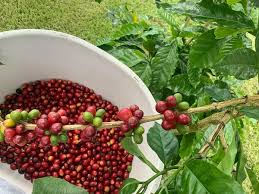
Danané is a well-known agricultural area in western Côte d’Ivoire, near the borders with Guinea and Liberia, and is part of the country’s historic coffee–cocoa production belt. Coffee cultivation in Danané expanded during the mid-20th century as farmers settled in the fertile forested highlands of the west.
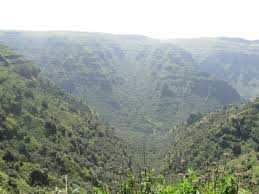
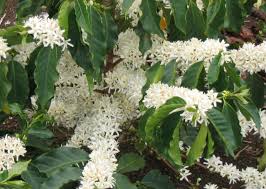
The region is characterized by a humid tropical to sub-humid climate, with annual rainfall of about 1,600–2,000 mm, relatively cooler temperatures compared to southern lowland areas, and hilly to mountainous terrain influenced by the western highlands. Elevations commonly range from 300–700 meters, creating favorable conditions for Robusta coffee (Coffea canephora), which dominates production, and in limited cases Arabica in cooler, higher pockets.
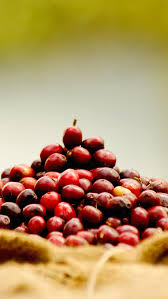
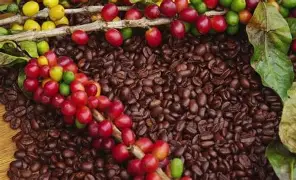
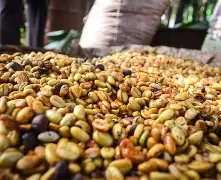
Coffee farming in Danané is largely undertaken by smallholder farmers, often within diversified agroforestry systems. Coffee is commonly intercropped with cocoa, plantain, rice, and food crops, and shaded by forest trees that help conserve soil moisture and protect against erosion on sloping land. Harvesting is done manually, and dry processing is the standard post-harvest method.
Although coffee remains part of the agricultural landscape, production in Danané has declined due to aging coffee trees, soil degradation on slopes, limited access to inputs, and competition from cocoa and food crops. Despite these challenges, Danané’s high rainfall, fertile soils, and favorable elevations give it strong potential for rehabilitated and higher-quality coffee production, especially with improved farm management and renewed investment.

.png)





No Comments Found!