Shopping cart
Your cart empty!
Your cart empty!
Terms of use dolor sit amet consectetur, adipisicing elit. Recusandae provident ullam aperiam quo ad non corrupti sit vel quam repellat ipsa quod sed, repellendus adipisci, ducimus ea modi odio assumenda.
Lorem ipsum dolor sit amet consectetur adipisicing elit. Sequi, cum esse possimus officiis amet ea voluptatibus libero! Dolorum assumenda esse, deserunt ipsum ad iusto! Praesentium error nobis tenetur at, quis nostrum facere excepturi architecto totam.
Lorem ipsum dolor sit amet consectetur adipisicing elit. Inventore, soluta alias eaque modi ipsum sint iusto fugiat vero velit rerum.
Sequi, cum esse possimus officiis amet ea voluptatibus libero! Dolorum assumenda esse, deserunt ipsum ad iusto! Praesentium error nobis tenetur at, quis nostrum facere excepturi architecto totam.
Lorem ipsum dolor sit amet consectetur adipisicing elit. Inventore, soluta alias eaque modi ipsum sint iusto fugiat vero velit rerum.
Dolor sit amet consectetur adipisicing elit. Sequi, cum esse possimus officiis amet ea voluptatibus libero! Dolorum assumenda esse, deserunt ipsum ad iusto! Praesentium error nobis tenetur at, quis nostrum facere excepturi architecto totam.
Lorem ipsum dolor sit amet consectetur adipisicing elit. Inventore, soluta alias eaque modi ipsum sint iusto fugiat vero velit rerum.
Sit amet consectetur adipisicing elit. Sequi, cum esse possimus officiis amet ea voluptatibus libero! Dolorum assumenda esse, deserunt ipsum ad iusto! Praesentium error nobis tenetur at, quis nostrum facere excepturi architecto totam.
Lorem ipsum dolor sit amet consectetur adipisicing elit. Inventore, soluta alias eaque modi ipsum sint iusto fugiat vero velit rerum.
Do you agree to our terms? Sign up
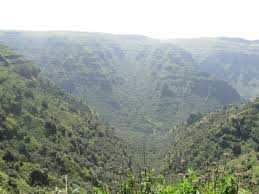
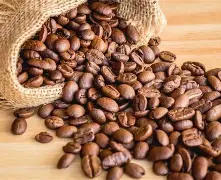
Sassandra, a coastal town and surrounding agricultural zone in south-western Côte d’Ivoire, is part of the country’s historic Robusta coffee-producing region, closely linked to the broader Lower Sassandra basin. The area lies at low elevations (generally below 300 meters above sea level) and experiences a humid equatorial climate marked by high temperatures, dense cloud cover, and annual rainfall often exceeding 1,800 mm. These conditions favor Robusta coffee, which thrives in warm, moisture-rich environments and is well adapted to the coastal and forested landscapes of southern Ivory Coast.
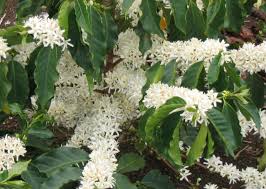
Coffee production in the Sassandra area is dominated by smallholder farming systems, where coffee is grown alongside cocoa, oil palm, rubber, and food crops such as cassava and plantain. Farms are typically small and family-managed, relying on traditional cultivation practices with limited mechanization and low external inputs. Coffee trees are often planted under partial shade, either from remnant forest trees or within mixed agroforestry systems. While this shading can enhance resilience to heat stress, yields remain relatively low, largely due to aging coffee trees, declining soil fertility, and limited access to improved varieties and agronomic support.
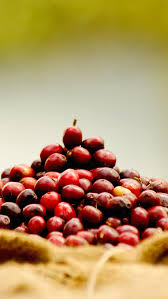
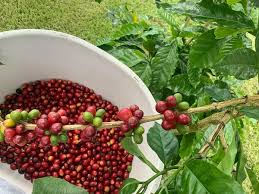
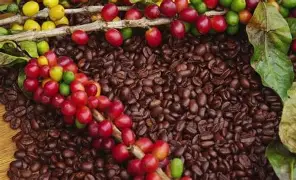
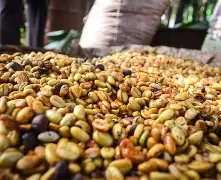
The coffee harvest season in Sassandra generally takes place from November to March, following the main rainy period. Harvesting is done manually, and post-harvest processing is usually basic. Most farmers rely on the dry (natural) processing method, sun-drying coffee cherries on mats or bare ground before selling them to local collectors. From Sassandra, coffee moves through regional trading networks to inland processing centers or export channels, often together with cocoa and other cash crops. The port and coastal road network historically facilitated agricultural trade, although coffee now represents a smaller share of total output.
Over time, coffee production in Sassandra has declined in importance, as cocoa has become the dominant cash crop due to higher profitability, stronger institutional backing, and better access to inputs and markets. Many former coffee farms have been converted to cocoa or oil palm, reducing the total area under coffee. Farmers also face challenges such as price volatility, climate variability, pest pressure, and competition for land, all of which discourage new investment in coffee. Environmental pressures, including deforestation and soil degradation, further influence long-term productivity.
Despite these challenges, coffee remains a supplementary livelihood crop for some households in the Sassandra region. It contributes to income diversification and reflects Côte d’Ivoire’s broader agricultural history as a major West African coffee producer. While no longer central to the local economy, coffee cultivation in Sassandra continues to play a supporting role within diversified smallholder systems, linking coastal agriculture to national and international coffee markets.


.png)





No Comments Found!