Shopping cart
Your cart empty!
Your cart empty!
Terms of use dolor sit amet consectetur, adipisicing elit. Recusandae provident ullam aperiam quo ad non corrupti sit vel quam repellat ipsa quod sed, repellendus adipisci, ducimus ea modi odio assumenda.
Lorem ipsum dolor sit amet consectetur adipisicing elit. Sequi, cum esse possimus officiis amet ea voluptatibus libero! Dolorum assumenda esse, deserunt ipsum ad iusto! Praesentium error nobis tenetur at, quis nostrum facere excepturi architecto totam.
Lorem ipsum dolor sit amet consectetur adipisicing elit. Inventore, soluta alias eaque modi ipsum sint iusto fugiat vero velit rerum.
Sequi, cum esse possimus officiis amet ea voluptatibus libero! Dolorum assumenda esse, deserunt ipsum ad iusto! Praesentium error nobis tenetur at, quis nostrum facere excepturi architecto totam.
Lorem ipsum dolor sit amet consectetur adipisicing elit. Inventore, soluta alias eaque modi ipsum sint iusto fugiat vero velit rerum.
Dolor sit amet consectetur adipisicing elit. Sequi, cum esse possimus officiis amet ea voluptatibus libero! Dolorum assumenda esse, deserunt ipsum ad iusto! Praesentium error nobis tenetur at, quis nostrum facere excepturi architecto totam.
Lorem ipsum dolor sit amet consectetur adipisicing elit. Inventore, soluta alias eaque modi ipsum sint iusto fugiat vero velit rerum.
Sit amet consectetur adipisicing elit. Sequi, cum esse possimus officiis amet ea voluptatibus libero! Dolorum assumenda esse, deserunt ipsum ad iusto! Praesentium error nobis tenetur at, quis nostrum facere excepturi architecto totam.
Lorem ipsum dolor sit amet consectetur adipisicing elit. Inventore, soluta alias eaque modi ipsum sint iusto fugiat vero velit rerum.
Do you agree to our terms? Sign up
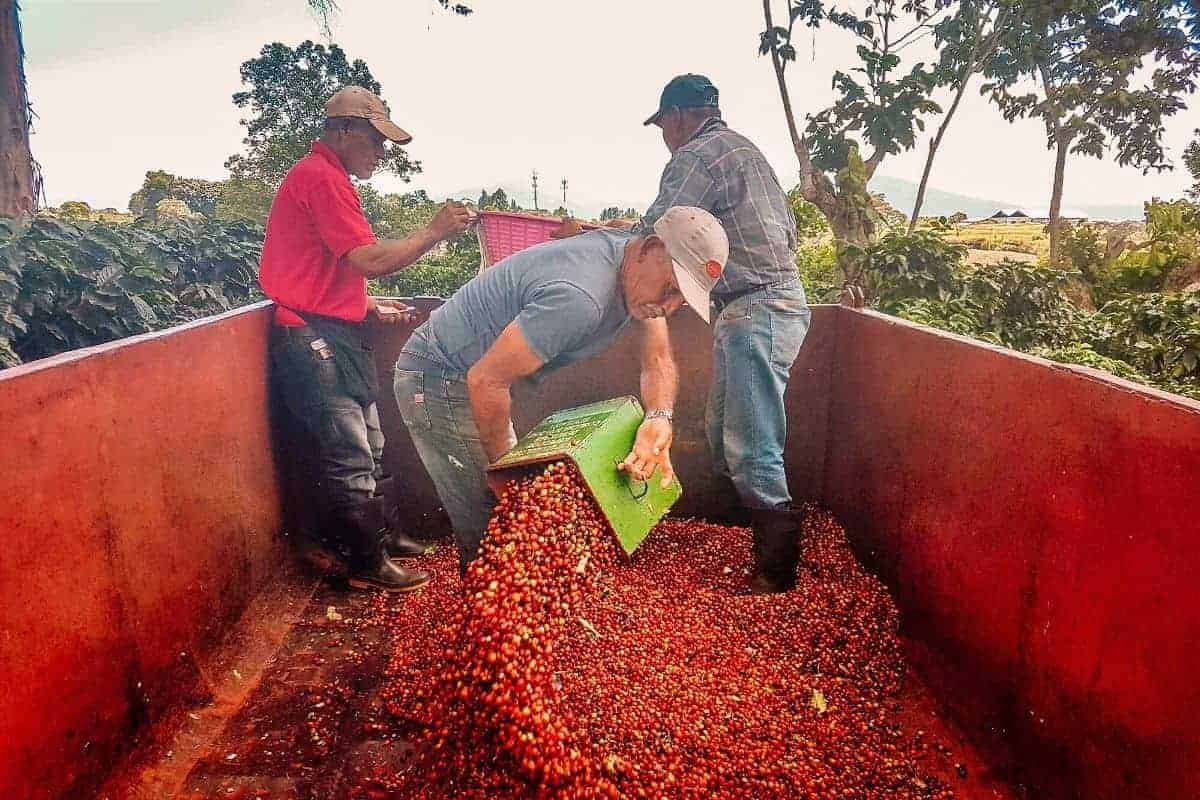
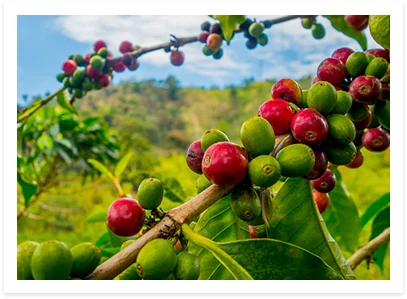
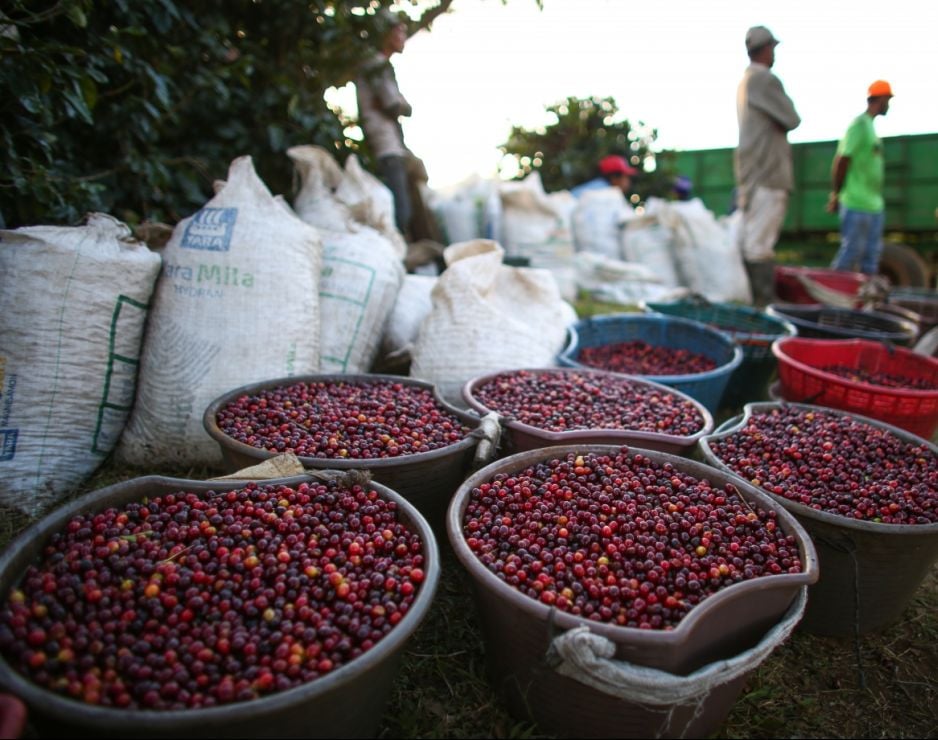
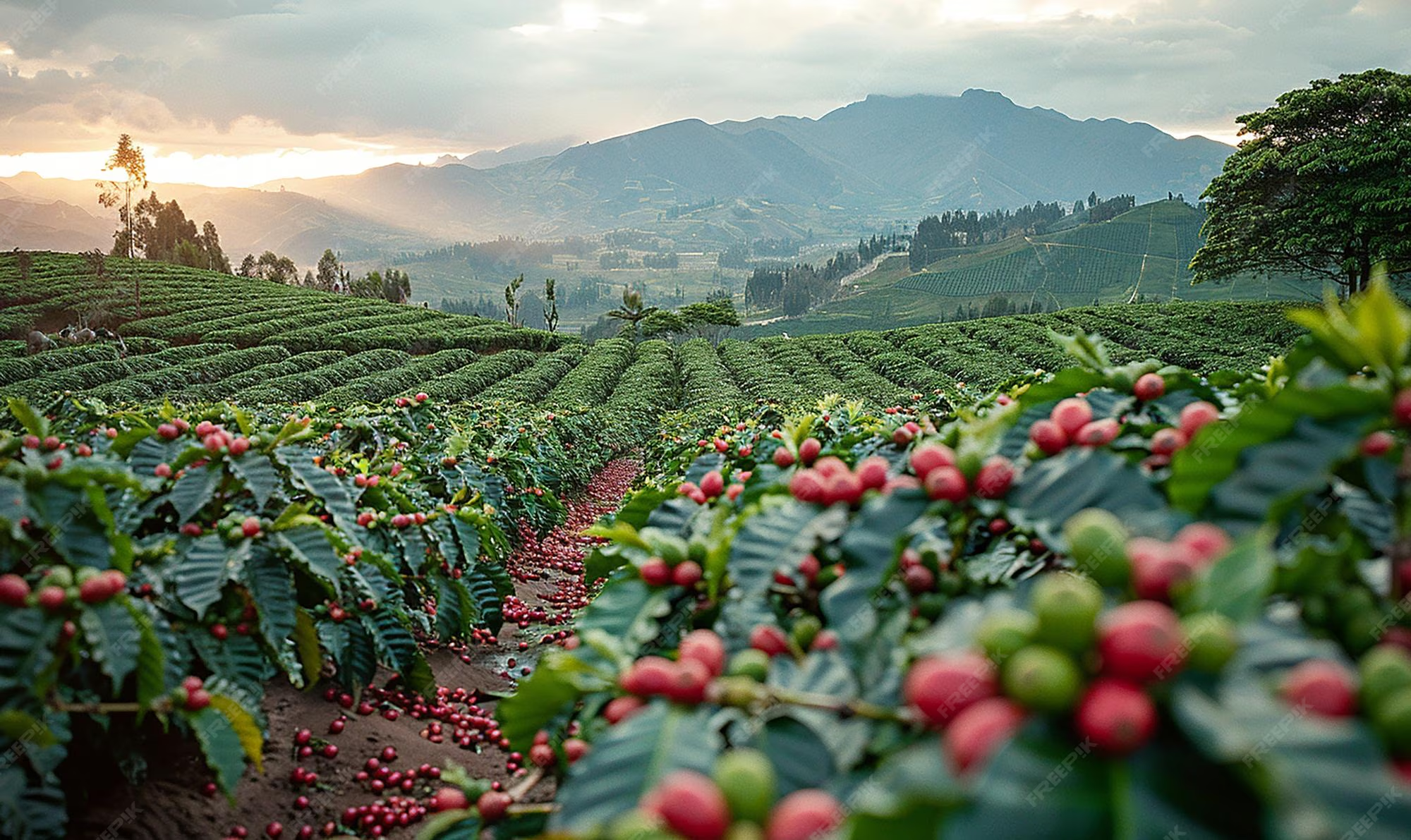
The Central Coffee Region of Colombia, also known as the Coffee Triangle (Eje Cafetero), is made up of the departments of Caldas, Quindío, and Risaralda. Nestled in the Andes mountains, this area is the cultural and geographic heart of Colombian coffee production. It has been recognized by UNESCO as a World Heritage Landscape of Coffee thanks to its unique blend of tradition, biodiversity, and scenic beauty.
Altitude: Farms range from 1,200 to 1,800 meters, producing high-quality Arabica beans.
Climate: Mild temperatures, consistent rainfall, and volcanic soils create ideal growing conditions.
Farming Style: Predominantly smallholder farms, often family-run, with generations of expertise.
Cultural Identity: Coffee is not just an economic product here — it’s a way of life, shaping festivals, architecture, and daily routines.
Coffee from Colombia’s Central Region is renowned for its balanced and approachable cup, featuring:
Bright acidity
Medium body
Notes of citrus, red fruits, and caramel
Clean, sweet finish
This makes it one of the most versatile coffees in the world, perfect for both filter and espresso brewing.
Global Reputation: Colombian coffee is often marketed as the gold standard of Arabica, and the Central Region is its beating heart.
UNESCO Recognition: The Coffee Cultural Landscape highlights the deep connection between people, land, and coffee.
Tourism & Culture: Coffee farms here double as eco-tourism destinations, offering visitors immersive experiences.
Consistency: Year-round harvests ensure a steady supply of high-quality beans.
.png)





No Comments Found!