Shopping cart
Your cart empty!
Your cart empty!
Terms of use dolor sit amet consectetur, adipisicing elit. Recusandae provident ullam aperiam quo ad non corrupti sit vel quam repellat ipsa quod sed, repellendus adipisci, ducimus ea modi odio assumenda.
Lorem ipsum dolor sit amet consectetur adipisicing elit. Sequi, cum esse possimus officiis amet ea voluptatibus libero! Dolorum assumenda esse, deserunt ipsum ad iusto! Praesentium error nobis tenetur at, quis nostrum facere excepturi architecto totam.
Lorem ipsum dolor sit amet consectetur adipisicing elit. Inventore, soluta alias eaque modi ipsum sint iusto fugiat vero velit rerum.
Sequi, cum esse possimus officiis amet ea voluptatibus libero! Dolorum assumenda esse, deserunt ipsum ad iusto! Praesentium error nobis tenetur at, quis nostrum facere excepturi architecto totam.
Lorem ipsum dolor sit amet consectetur adipisicing elit. Inventore, soluta alias eaque modi ipsum sint iusto fugiat vero velit rerum.
Dolor sit amet consectetur adipisicing elit. Sequi, cum esse possimus officiis amet ea voluptatibus libero! Dolorum assumenda esse, deserunt ipsum ad iusto! Praesentium error nobis tenetur at, quis nostrum facere excepturi architecto totam.
Lorem ipsum dolor sit amet consectetur adipisicing elit. Inventore, soluta alias eaque modi ipsum sint iusto fugiat vero velit rerum.
Sit amet consectetur adipisicing elit. Sequi, cum esse possimus officiis amet ea voluptatibus libero! Dolorum assumenda esse, deserunt ipsum ad iusto! Praesentium error nobis tenetur at, quis nostrum facere excepturi architecto totam.
Lorem ipsum dolor sit amet consectetur adipisicing elit. Inventore, soluta alias eaque modi ipsum sint iusto fugiat vero velit rerum.
Do you agree to our terms? Sign up
Atitlán
Traditional Atitlan is widely considered the region with the richest volcanic soil in Guatemala, producing coffee with deep complexity and a clean, refreshing profile.
1. Geography & Terroir
Volcanic Basin: Coffee is grown on the fertile slopes of three majestic volcanoes—Atitlán,
Altitude: Farms are situated between 1,500 and 1,700 meters (approx. 4,900–5,600 feet).
Soil Composition: The region boasts exceptionally high organic matter; 90% of the coffee is cultivated in soil enriched by volcanic activity, often described as the most nutrient-dense in the country.
Microclimate & Winds: Daily winds known as Xocomil stir the lake's cold waters, creating shifting microclimates that regulate temperature and prevent frost, allowing for a slower, more uniform ripening of the cherries.
2. Production & Scale
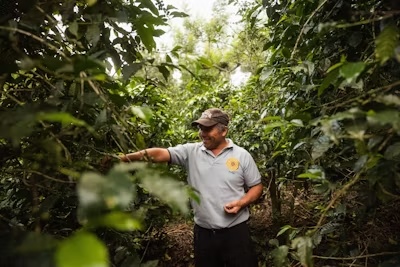
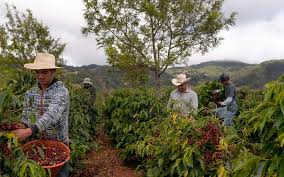
Smallholder Landscape: Production is dominated by small-scale farmers, often organized into robust cooperatives such as the Cooperativa Atitlán and El Paraíso Tz'utujil.
Key Villages: Major hubs include
2025 Market Trends: While yields for the 2025/26 season are projected to rise slightly to roughly 10.47 bags per hectare, the 2024/25 crop faced challenges from delayed flowering due to drought and rising production costs.

3. Varietal Profile
Traditional and specialty Arabica varieties define the region:
Bourbon: A primary heirloom variety prized for its classic sweetness.
Caturra & Catuai: These dwarf varieties are widespread because their compact size allows for higher planting density on steep volcanic slopes.
Pache: A local mutation of Typica that is particularly common around Lake Atitlán, contributing to a unique regional flavor profile.
Specialty Lots: Recent 2025 reviews highlight high-scoring lots (93+ points) that blend these traditional varieties to achieve "sweetly bright" results.
4. Flavor & Processing
Primary Process: The Washed Process is the standard, utilizing clean mountain water to highlight the bean's inherent "sparkling" acidity.
Experimental Processing (2025): There is an increasing trend toward Natural and Lactic Fermentation to produce bold, wine-like fruit intensities for the specialty market.
Flavor Profile:
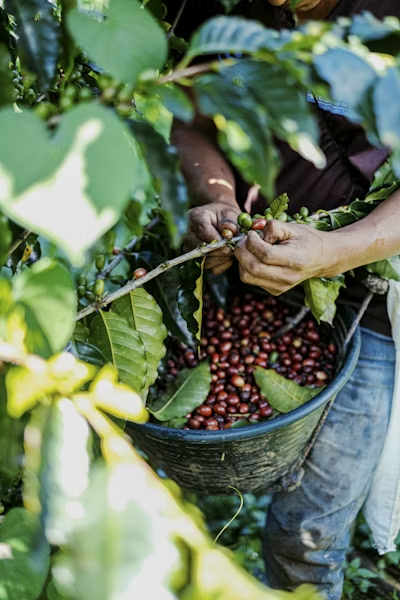
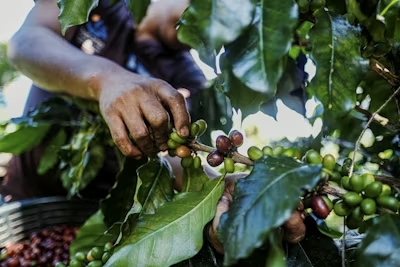
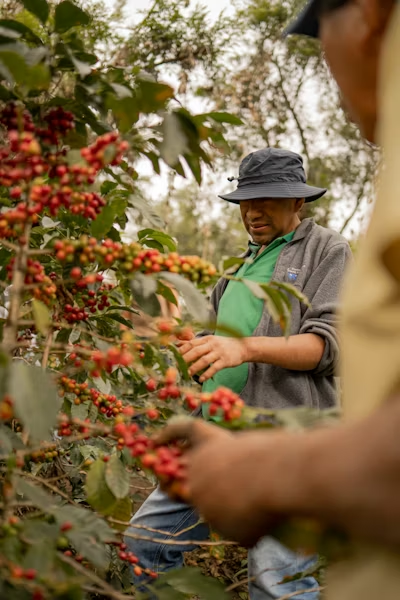
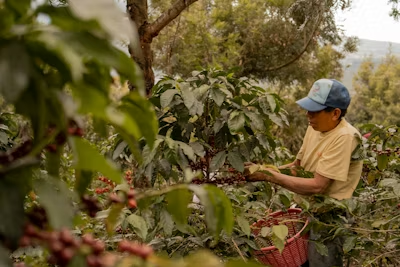
Harvest Window: Picking generally occurs from December through March.
.png)





No Comments Found!