Shopping cart
Your cart empty!
Your cart empty!
Terms of use dolor sit amet consectetur, adipisicing elit. Recusandae provident ullam aperiam quo ad non corrupti sit vel quam repellat ipsa quod sed, repellendus adipisci, ducimus ea modi odio assumenda.
Lorem ipsum dolor sit amet consectetur adipisicing elit. Sequi, cum esse possimus officiis amet ea voluptatibus libero! Dolorum assumenda esse, deserunt ipsum ad iusto! Praesentium error nobis tenetur at, quis nostrum facere excepturi architecto totam.
Lorem ipsum dolor sit amet consectetur adipisicing elit. Inventore, soluta alias eaque modi ipsum sint iusto fugiat vero velit rerum.
Sequi, cum esse possimus officiis amet ea voluptatibus libero! Dolorum assumenda esse, deserunt ipsum ad iusto! Praesentium error nobis tenetur at, quis nostrum facere excepturi architecto totam.
Lorem ipsum dolor sit amet consectetur adipisicing elit. Inventore, soluta alias eaque modi ipsum sint iusto fugiat vero velit rerum.
Dolor sit amet consectetur adipisicing elit. Sequi, cum esse possimus officiis amet ea voluptatibus libero! Dolorum assumenda esse, deserunt ipsum ad iusto! Praesentium error nobis tenetur at, quis nostrum facere excepturi architecto totam.
Lorem ipsum dolor sit amet consectetur adipisicing elit. Inventore, soluta alias eaque modi ipsum sint iusto fugiat vero velit rerum.
Sit amet consectetur adipisicing elit. Sequi, cum esse possimus officiis amet ea voluptatibus libero! Dolorum assumenda esse, deserunt ipsum ad iusto! Praesentium error nobis tenetur at, quis nostrum facere excepturi architecto totam.
Lorem ipsum dolor sit amet consectetur adipisicing elit. Inventore, soluta alias eaque modi ipsum sint iusto fugiat vero velit rerum.
Do you agree to our terms? Sign up
San Marcos
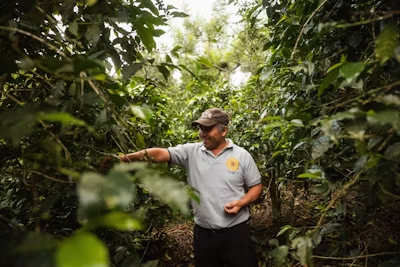
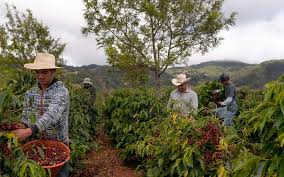
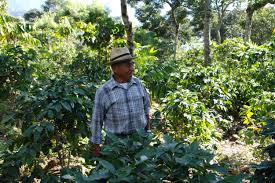
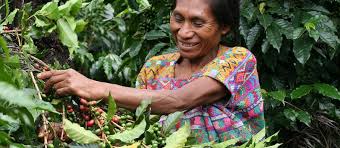
San Marcos is recognized as the warmest and wettest of Guatemala's eight coffee-growing regions, historically known as "the place where volcanoes awake."
1. Geography & Terroir
Volcanic Dominance: Located near the Tajumulco Volcano, the highest peak in Central America, the region features fertile volcanic soils rich in minerals.
Climate Extremes: It receives the highest rainfall in the country, averaging 4,000 to 5,000 mm annually. Temperatures are consistently warm, typically ranging from 21°C to 27°C (70°F–81°F).
Altitude: Coffee is cultivated at elevations ranging from 1,300 to 1,800 meters (approx. 4,300–5,900 feet).
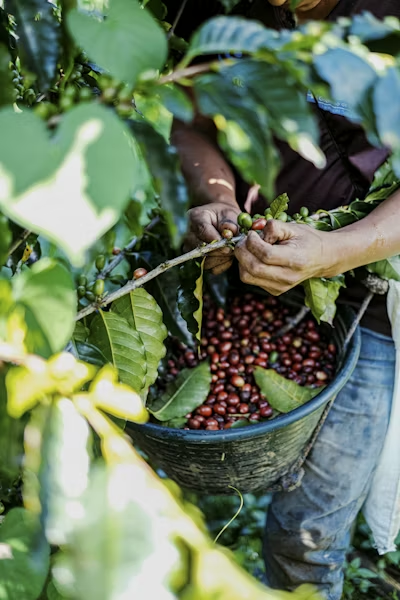
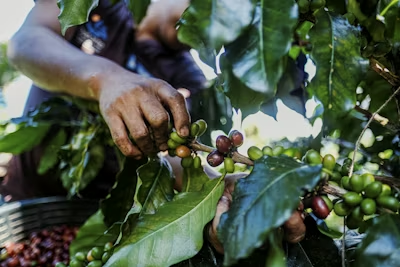
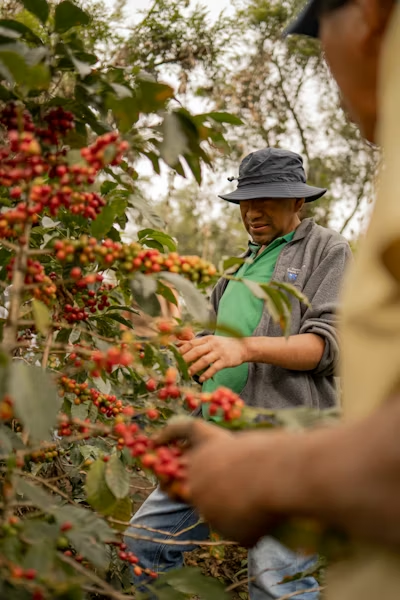
Rapid Maturation: Because the rainy season begins earlier here than elsewhere, coffee trees flower sooner, leading to an early harvest and fast-ripening cherries.
2. Production & Scale
Regional Importance: San Marcos is the 4th largest coffee-growing region in Guatemala.
Producer Base: The region comprises approximately 17 coffee districts, with more than 2,705 families cultivating over 5,410 hectares.
Logistical Challenges: Due to its remote location and frequent unpredictable rainfall, most farms manage their own processing rather than using centralized mills.
2025 Outlook: Production across Guatemala in 2025 is expected to be 10-15% lower than in 2024 due to rising costs and climatic shifts, though quality remains high.
3. Varietal Profile
The region focuses on Arabica varieties that can thrive in high-humidity environments:
Traditional Staples: Bourbon, Caturra, and Catuai are the most widely grown varietals.
Specialty Varieties: Villa Sarchi, Typica, and disease-resistant Catimores are also commonly planted to handle the intense rainfall.
2025 Innovations: Modern specialty lots are increasingly exploring "Exotic Varietals" like Geisha and Pacamara, as highlighted in the 2025 Cup of Excellence categories.
4. Flavor & Processing
Processing Techniques: The Fully Washed process is the standard; however, because rain often falls during harvest, producers frequently start drying beans in the sun and finish them in Guardiola (mechanical) dryers.
Flavor Profile:
Acidity: Notable for being vibrant and pronounced, often described as "lemony" or "citrusy".
Body: Medium to full-bodied with a "syrupy" or "velvety" texture.
Notes: Distinctive for delicate floral notes (jasmine or orange blossom) layered over a deep malty or semi-sweet chocolate base.
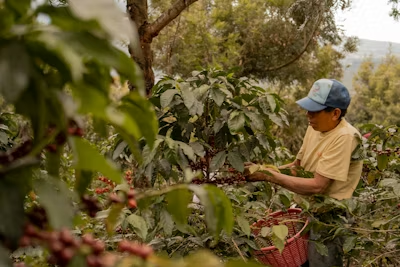
Harvest Season: The early flowering cycle results in an early harvest, typically running from December through March.
.png)





No Comments Found!