Shopping cart
Your cart empty!
Your cart empty!
Terms of use dolor sit amet consectetur, adipisicing elit. Recusandae provident ullam aperiam quo ad non corrupti sit vel quam repellat ipsa quod sed, repellendus adipisci, ducimus ea modi odio assumenda.
Lorem ipsum dolor sit amet consectetur adipisicing elit. Sequi, cum esse possimus officiis amet ea voluptatibus libero! Dolorum assumenda esse, deserunt ipsum ad iusto! Praesentium error nobis tenetur at, quis nostrum facere excepturi architecto totam.
Lorem ipsum dolor sit amet consectetur adipisicing elit. Inventore, soluta alias eaque modi ipsum sint iusto fugiat vero velit rerum.
Sequi, cum esse possimus officiis amet ea voluptatibus libero! Dolorum assumenda esse, deserunt ipsum ad iusto! Praesentium error nobis tenetur at, quis nostrum facere excepturi architecto totam.
Lorem ipsum dolor sit amet consectetur adipisicing elit. Inventore, soluta alias eaque modi ipsum sint iusto fugiat vero velit rerum.
Dolor sit amet consectetur adipisicing elit. Sequi, cum esse possimus officiis amet ea voluptatibus libero! Dolorum assumenda esse, deserunt ipsum ad iusto! Praesentium error nobis tenetur at, quis nostrum facere excepturi architecto totam.
Lorem ipsum dolor sit amet consectetur adipisicing elit. Inventore, soluta alias eaque modi ipsum sint iusto fugiat vero velit rerum.
Sit amet consectetur adipisicing elit. Sequi, cum esse possimus officiis amet ea voluptatibus libero! Dolorum assumenda esse, deserunt ipsum ad iusto! Praesentium error nobis tenetur at, quis nostrum facere excepturi architecto totam.
Lorem ipsum dolor sit amet consectetur adipisicing elit. Inventore, soluta alias eaque modi ipsum sint iusto fugiat vero velit rerum.
Do you agree to our terms? Sign up
Antigua Guatemala, the country’s oldest coffee region, is defined by its volcanic landscape and "Strictly Hard Bean" (SHB) quality.
1. Geography & Terroir
Volcanic Influence: The region is a high-altitude valley surrounded by three volcanoes: Agua, Fuego, and Acatenango. Fuego is active and periodically coats the valley in mineral-rich ash, which replenishes the soil.
Altitude & Temperature: Coffee is grown between 1,500 and 1,800 meters (4,600–5,600 ft). Average temperatures stay consistent between 18°C and 22°C (64°F–72°F).
Hydrology: The soil contains volcanic pumice, which acts like a sponge to retain moisture, offsetting the region's relatively low annual rainfall of 800–1,200 mm.
Microclimate: Low humidity (approx. 65%) and high sun exposure are balanced by cool nights, which slow cherry maturation and increase sugar density.
2. Production & Scale
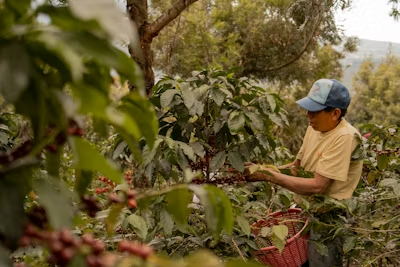
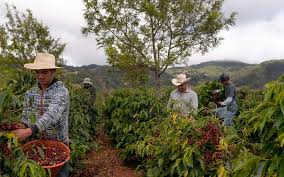
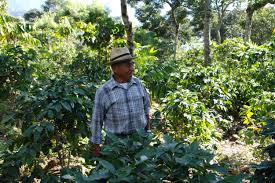
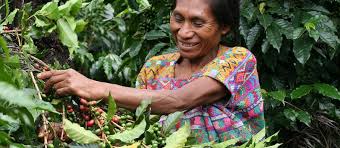
Producer Profile: Smallholder farmers are the backbone of the industry, making up 97% of producers in Guatemala. In Antigua, many of these smallholders farm on less than two hectares.
Estate Legacy: Antigua also hosts some of Guatemala's most historic large estates (fincas), such as Finca San Rafael Urias(over 100 years old) and Finca Filadelfia.
Protected Status: Antigua was the first region in Guatemala to establish a Denomination of Origin (PDO) to protect its brand from counterfeit beans.

3. Varietal Profile
Antigua focuses almost exclusively on high-quality Arabica varieties:
Bourbon: The classic heirloom variety prized for its layered sweetness and complexity.
Caturra & Catuai: Popular for their higher yields and compact size, providing the bright acidity and body typical of the region.
Typica: One of the oldest varieties, contributing to the "classic" clean cup profile.
Emerging Varieties: Rare Geisha and disease-resistant hybrids like Anacafé 14 are increasingly cultivated to combat climate challenges and leaf rust.
4. Flavor & Processing
Primary Process: The Washed (Wet) Process is traditional. Beans are typically sun-dried on large concrete patios (patios de secado) to ensure clarity of flavor.
Flavor Profile:
Acidity: Bright, refined, and often described as "lemony" or "citrusy".
Body: Full, velvety, and heavy compared to other Central American origins.
Notes: Distinct milk chocolate, cocoa, and caramel base with undertones of spice, smoke, and sometimes floral aromatics like magnolia or jasmine.
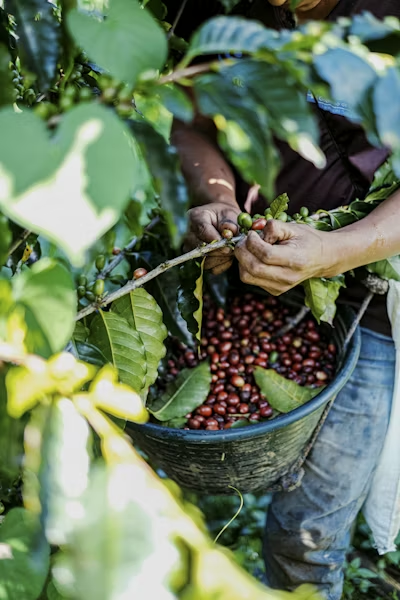
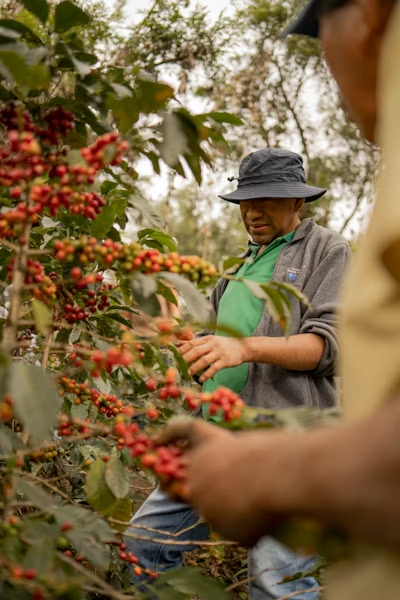
Harvest Window: Picking typically occurs from January to mid-March.
.png)





No Comments Found!