Shopping cart
Your cart empty!
Your cart empty!
Terms of use dolor sit amet consectetur, adipisicing elit. Recusandae provident ullam aperiam quo ad non corrupti sit vel quam repellat ipsa quod sed, repellendus adipisci, ducimus ea modi odio assumenda.
Lorem ipsum dolor sit amet consectetur adipisicing elit. Sequi, cum esse possimus officiis amet ea voluptatibus libero! Dolorum assumenda esse, deserunt ipsum ad iusto! Praesentium error nobis tenetur at, quis nostrum facere excepturi architecto totam.
Lorem ipsum dolor sit amet consectetur adipisicing elit. Inventore, soluta alias eaque modi ipsum sint iusto fugiat vero velit rerum.
Sequi, cum esse possimus officiis amet ea voluptatibus libero! Dolorum assumenda esse, deserunt ipsum ad iusto! Praesentium error nobis tenetur at, quis nostrum facere excepturi architecto totam.
Lorem ipsum dolor sit amet consectetur adipisicing elit. Inventore, soluta alias eaque modi ipsum sint iusto fugiat vero velit rerum.
Dolor sit amet consectetur adipisicing elit. Sequi, cum esse possimus officiis amet ea voluptatibus libero! Dolorum assumenda esse, deserunt ipsum ad iusto! Praesentium error nobis tenetur at, quis nostrum facere excepturi architecto totam.
Lorem ipsum dolor sit amet consectetur adipisicing elit. Inventore, soluta alias eaque modi ipsum sint iusto fugiat vero velit rerum.
Sit amet consectetur adipisicing elit. Sequi, cum esse possimus officiis amet ea voluptatibus libero! Dolorum assumenda esse, deserunt ipsum ad iusto! Praesentium error nobis tenetur at, quis nostrum facere excepturi architecto totam.
Lorem ipsum dolor sit amet consectetur adipisicing elit. Inventore, soluta alias eaque modi ipsum sint iusto fugiat vero velit rerum.
Do you agree to our terms? Sign up
Puebla
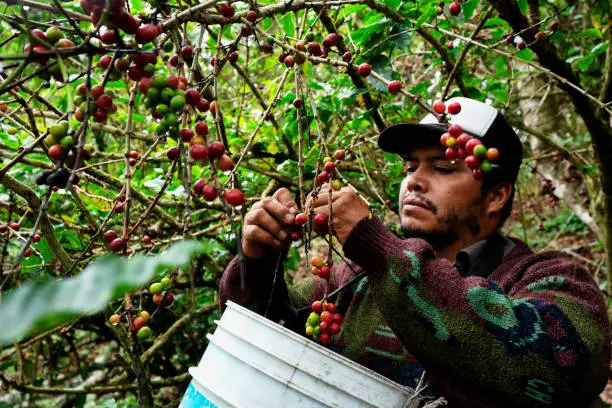
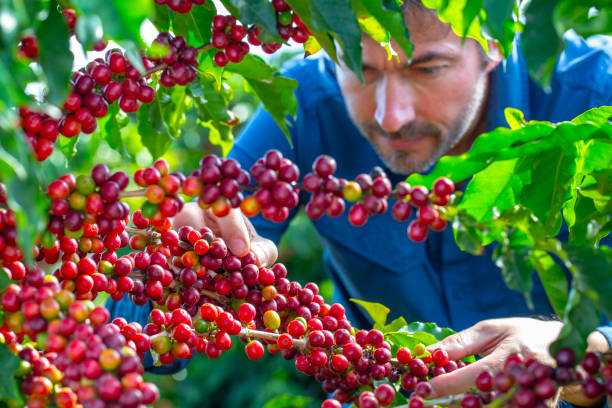
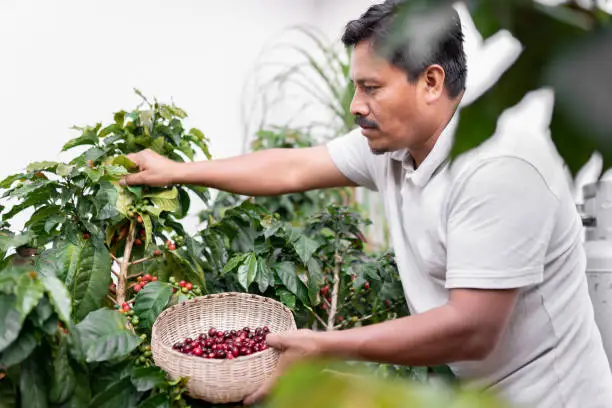
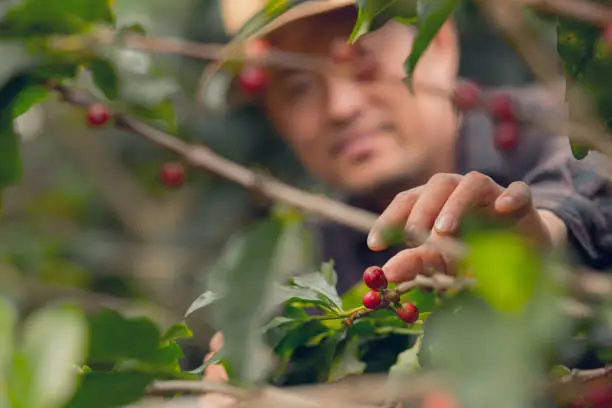
Puebla is recognized as Mexico's most efficient coffee-growing region. It boasts the highest productivity levels in the country, often yielding significantly more coffee per hectare than its neighbors due to advanced farming techniques, a high concentration of specialized cooperatives, and its strategic location in the central-eastern highlands.
1. Geography and Terroir
Location: Situated in central-eastern Mexico, primarily concentrated in the Sierra Norte de Puebla and the Sierra Negra.
Mountainous Influence: The region’s rugged topography is shaped by the Trans-Mexican Volcanic Belt. Key growing municipalities include Xicotepec de Juárez, Cuetzalan, and Zihuateutla.
Altitude: Cultivation occurs at elevations ranging from 900 to 1,500 meters above sea level (MASL).
Climate: Characterized by a temperate-humid climate with frequent mist and "chipichipi" (fine drizzle). This consistent humidity provides natural hydration to the trees and slows cherry maturation, enhancing sugar development.
Soil: Rich in organic matter and volcanic minerals, which supports the intensive farming practices common in the state.
2. Production and Scale
Output: The third-largest producer in Mexico, contributing approximately 15% to 22% of national volume.
Productivity: As of 2025, Puebla maintains the highest yield per hectare in Mexico (approx. 1.8 tons/ha). This is attributed to the region's superior infrastructure and organized technical assistance.
Producer Profile: Home to over 47,000 producers. The region is famous for its strong cooperative movements, particularly among indigenous Totonac and Nahua communities who manage large-scale organic exports.
Infrastructure: Its proximity to Mexico City and the port of Veracruz provides Puebla farmers with better market access than many of the more remote southern regions.

3. Varietal Profile
Core Varieties: Predominantly Caturra, Garnica, and Mundo Novo.
Rust Resilience: Following the coffee rust outbreaks of previous years, Puebla has been a leader in adopting resilient varieties like Marsellesa, Costa Rica 95, and Sarchimor.
Typica: While decreasing in volume due to disease sensitivity, older heirloom Typica trees are still found in the high-altitude shade-grown plots of Cuetzalan.
4. Flavor and Processing
Classic Profile: Typically offers a medium-to-full body with a very clean, structured finish.
Flavor Notes: Known for a distinct spicy-sweet profile. Common notes include:
Core: Dark chocolate, vanilla, and roasted almonds.
Accents: Subtle hints of cinnamon, nutmeg, and sweet stone fruits like plum or cherry.
Processing Trends:
Washed: The standard method, resulting in high clarity and highlighting the region's characteristic sweet acidity.
Innovation: In 2025, there is a growing trend of "Honey" and "Natural" processed micro-lots in the Sierra Norte, aimed at intensifying the fruity and syrupy characteristics of the Garnica variety.
Sustainability: A high percentage of Puebla’s coffee is certified Fair Trade and Organic, particularly those destined for European and North American specialty markets
.png)





No Comments Found!