Shopping cart
Your cart empty!
Your cart empty!
Terms of use dolor sit amet consectetur, adipisicing elit. Recusandae provident ullam aperiam quo ad non corrupti sit vel quam repellat ipsa quod sed, repellendus adipisci, ducimus ea modi odio assumenda.
Lorem ipsum dolor sit amet consectetur adipisicing elit. Sequi, cum esse possimus officiis amet ea voluptatibus libero! Dolorum assumenda esse, deserunt ipsum ad iusto! Praesentium error nobis tenetur at, quis nostrum facere excepturi architecto totam.
Lorem ipsum dolor sit amet consectetur adipisicing elit. Inventore, soluta alias eaque modi ipsum sint iusto fugiat vero velit rerum.
Sequi, cum esse possimus officiis amet ea voluptatibus libero! Dolorum assumenda esse, deserunt ipsum ad iusto! Praesentium error nobis tenetur at, quis nostrum facere excepturi architecto totam.
Lorem ipsum dolor sit amet consectetur adipisicing elit. Inventore, soluta alias eaque modi ipsum sint iusto fugiat vero velit rerum.
Dolor sit amet consectetur adipisicing elit. Sequi, cum esse possimus officiis amet ea voluptatibus libero! Dolorum assumenda esse, deserunt ipsum ad iusto! Praesentium error nobis tenetur at, quis nostrum facere excepturi architecto totam.
Lorem ipsum dolor sit amet consectetur adipisicing elit. Inventore, soluta alias eaque modi ipsum sint iusto fugiat vero velit rerum.
Sit amet consectetur adipisicing elit. Sequi, cum esse possimus officiis amet ea voluptatibus libero! Dolorum assumenda esse, deserunt ipsum ad iusto! Praesentium error nobis tenetur at, quis nostrum facere excepturi architecto totam.
Lorem ipsum dolor sit amet consectetur adipisicing elit. Inventore, soluta alias eaque modi ipsum sint iusto fugiat vero velit rerum.
Do you agree to our terms? Sign up
The Silent Backbone: Coffee in Timor-Leste's Southwest Frontier
Cova Lima & Bobonaro, Timor-Leste — In the rugged southwestern highlands of Timor-Leste, where mountain ridges fade into mist and the border with Indonesia is a tangible presence, coffee is more than a crop. It is the quiet, steady heartbeat of communities clinging to steep slopes, the economic lifeline for families in one of Asia’s most challenging agricultural landscapes. This is the story of the Cova Lima and Bobonaro coffee-growing region—not the country’s most famous terroir, but arguably its most resilient.
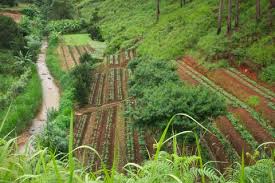
The coffee of Cova Lima and Bobonaro is a product of its geography. Plantations—a misleading term for small, scattered family plots—climb between 1,000 and 1,500 meters on the forested slopes of the central mountain range. The terrain is unforgiving: steep, rocky, and often accessible only by foot or motorcycle along winding, crumbling tracks. This isolation has preserved traditional methods but has also defined the region's character. Unlike the emerging specialty frontiers of Viqueque or the high-altitude potential of Ainaro, the southwest is a bastion of consistent, bulk production.
Here, coffee is grown in dappled shade beneath tall canopy trees—a classic agroforestry system that provides natural pest control, prevents soil erosion, and offers farmers supplementary crops like bananas and vanilla. The methods are almost entirely chemical-free, making the region’s coffee “default organic,” a certification born not from market strategy but from necessity and tradition.
The coffee that thrives here is the country’s foundational genetic gift to the world: Hibrido de Timor (HDT), locally called Tim Tim. This natural Arabica-Robusta hybrid, discovered on the island decades ago, provides the crucial disease resistance needed to survive in an environment where agricultural support is minimal. It is a resilient variety for a resilient people. The beans from these districts are the sturdy, reliable backbone of Timor-Leste’s coffee exports, forming a significant portion of the volumes handled by national cooperatives like Cooperativa Café Timor (CCT).
Ask a coffee buyer to describe a classic Timorese profile, and they will likely be describing coffee from the southwest. The cup is not about high-voltage acidity or floral theatrics. It is about depth and comfort.
Processing plays a key role. Most coffee is dry-processed (natural), where cherries are sun-dried with the fruit intact. This method, suited to the climate and available infrastructure, imbues the beans with a heavy body and a foundational sweetness. The resulting cup is full-bodied and smooth, with low to medium acidity. The flavor notes are warm and earthy: dominant dark chocolate, aromatic cedar, sweet tobacco, and distinctive warm spices like clove or nutmeg. There’s often a subtle, rustic earthiness in the finish—a taste of the very soil it’s grown in.
This profile makes it an excellent blending component for espresso and a satisfying, straightforward single-origin. It is coffee as sustenance.
The story of coffee here is inextricably linked to the cooperative model. In villages like Suai (Cova Lima) and Maliana (Bobonaro), the local collection posts of the CCT are vital community hubs. They provide a guaranteed market, basic training, and a fragile link to the global supply chain. For a smallholder with a half-hectare plot, the cooperative is often the only viable path from harvest to export.
Yet, challenges loom large. Aging tree stock lowers yields. Poor rural infrastructure increases costs and isolation. As a border region, communities here face unique socio-economic pressures. The very tradition that defines the coffee also limits its potential—moving from bulk commercial grade to higher-value specialty coffee requires investment, new processing infrastructure, and technical training that is still scarce.
Today, Cova Lima and Bobonaro stand at a quiet crossroads. They are the reliable workhorses of the Timorese coffee industry, producing the volume that keeps the economic engine turning. Yet, within this consistency lies untapped potential. Some cooperatives and exporters are beginning to experiment with selective harvesting and washed processing on smaller lots, seeking to brighten the cup profile and capture the attention of the specialty market.
But the essence of this region’s coffee will always be tied to its land and people. It is not a coffee of delicate nuance, but of enduring strength. It tastes of shaded mountainsides, of careful hands picking red cherries, and of the long, patient journey from a remote highland village to the world.
To drink a coffee from Cova Lima or Bobonaro is to taste the quiet, steadfast spirit of Timor-Leste’s southwestern frontier—a spirit that, like the Hibrido de Timor tree itself, is built to endure.
" style="height: 100px" onchange="formValidation()" required>
Cova Lima & Bobonaro, Timor-Leste — In the rugged southwestern highlands of Timor-Leste, where mountain ridges fade into mist and the border with Indonesia is a tangible presence, coffee is more than a crop. It is the quiet, steady heartbeat of communities clinging to steep slopes, the economic lifeline for families in one of Asia’s most challenging agricultural landscapes. This is the story of the Cova Lima and Bobonaro coffee-growing region—not the country’s most famous terroir, but arguably its most resilient.
The coffee of Cova Lima and Bobonaro is a product of its geography. Plantations—a misleading term for small, scattered family plots—climb between 1,000 and 1,500 meters on the forested slopes of the central mountain range. The terrain is unforgiving: steep, rocky, and often accessible only by foot or motorcycle along winding, crumbling tracks. This isolation has preserved traditional methods but has also defined the region's character. Unlike the emerging specialty frontiers of Viqueque or the high-altitude potential of Ainaro, the southwest is a bastion of consistent, bulk production.
Here, coffee is grown in dappled shade beneath tall canopy trees—a classic agroforestry system that provides natural pest control, prevents soil erosion, and offers farmers supplementary crops like bananas and vanilla. The methods are almost entirely chemical-free, making the region’s coffee “default organic,” a certification born not from market strategy but from necessity and tradition.
The coffee that thrives here is the country’s foundational genetic gift to the world: Hibrido de Timor (HDT), locally called Tim Tim. This natural Arabica-Robusta hybrid, discovered on the island decades ago, provides the crucial disease resistance needed to survive in an environment where agricultural support is minimal. It is a resilient variety for a resilient people. The beans from these districts are the sturdy, reliable backbone of Timor-Leste’s coffee exports, forming a significant portion of the volumes handled by national cooperatives like Cooperativa Café Timor (CCT).
Ask a coffee buyer to describe a classic Timorese profile, and they will likely be describing coffee from the southwest. The cup is not about high-voltage acidity or floral theatrics. It is about depth and comfort.
Processing plays a key role. Most coffee is dry-processed (natural), where cherries are sun-dried with the fruit intact. This method, suited to the climate and available infrastructure, imbues the beans with a heavy body and a foundational sweetness. The resulting cup is full-bodied and smooth, with low to medium acidity. The flavor notes are warm and earthy: dominant dark chocolate, aromatic cedar, sweet tobacco, and distinctive warm spices like clove or nutmeg. There’s often a subtle, rustic earthiness in the finish—a taste of the very soil it’s grown in.
This profile makes it an excellent blending component for espresso and a satisfying, straightforward single-origin. It is coffee as sustenance.
The story of coffee here is inextricably linked to the cooperative model. In villages like Suai (Cova Lima) and Maliana (Bobonaro), the local collection posts of the CCT are vital community hubs. They provide a guaranteed market, basic training, and a fragile link to the global supply chain. For a smallholder with a half-hectare plot, the cooperative is often the only viable path from harvest to export.
Yet, challenges loom large. Aging tree stock lowers yields. Poor rural infrastructure increases costs and isolation. As a border region, communities here face unique socio-economic pressures. The very tradition that defines the coffee also limits its potential—moving from bulk commercial grade to higher-value specialty coffee requires investment, new processing infrastructure, and technical training that is still scarce.
Today, Cova Lima and Bobonaro stand at a quiet crossroads. They are the reliable workhorses of the Timorese coffee industry, producing the volume that keeps the economic engine turning. Yet, within this consistency lies untapped potential. Some cooperatives and exporters are beginning to experiment with selective harvesting and washed processing on smaller lots, seeking to brighten the cup profile and capture the attention of the specialty market.
But the essence of this region’s coffee will always be tied to its land and people. It is not a coffee of delicate nuance, but of enduring strength. It tastes of shaded mountainsides, of careful hands picking red cherries, and of the long, patient journey from a remote highland village to the world.
To drink a coffee from Cova Lima or Bobonaro is to taste the quiet, steadfast spirit of Timor-Leste’s southwestern frontier—a spirit that, like the Hibrido de Timor tree itself, is built to endure.
.png)




No Comments Found!