Shopping cart
Your cart empty!
Your cart empty!
Terms of use dolor sit amet consectetur, adipisicing elit. Recusandae provident ullam aperiam quo ad non corrupti sit vel quam repellat ipsa quod sed, repellendus adipisci, ducimus ea modi odio assumenda.
Lorem ipsum dolor sit amet consectetur adipisicing elit. Sequi, cum esse possimus officiis amet ea voluptatibus libero! Dolorum assumenda esse, deserunt ipsum ad iusto! Praesentium error nobis tenetur at, quis nostrum facere excepturi architecto totam.
Lorem ipsum dolor sit amet consectetur adipisicing elit. Inventore, soluta alias eaque modi ipsum sint iusto fugiat vero velit rerum.
Sequi, cum esse possimus officiis amet ea voluptatibus libero! Dolorum assumenda esse, deserunt ipsum ad iusto! Praesentium error nobis tenetur at, quis nostrum facere excepturi architecto totam.
Lorem ipsum dolor sit amet consectetur adipisicing elit. Inventore, soluta alias eaque modi ipsum sint iusto fugiat vero velit rerum.
Dolor sit amet consectetur adipisicing elit. Sequi, cum esse possimus officiis amet ea voluptatibus libero! Dolorum assumenda esse, deserunt ipsum ad iusto! Praesentium error nobis tenetur at, quis nostrum facere excepturi architecto totam.
Lorem ipsum dolor sit amet consectetur adipisicing elit. Inventore, soluta alias eaque modi ipsum sint iusto fugiat vero velit rerum.
Sit amet consectetur adipisicing elit. Sequi, cum esse possimus officiis amet ea voluptatibus libero! Dolorum assumenda esse, deserunt ipsum ad iusto! Praesentium error nobis tenetur at, quis nostrum facere excepturi architecto totam.
Lorem ipsum dolor sit amet consectetur adipisicing elit. Inventore, soluta alias eaque modi ipsum sint iusto fugiat vero velit rerum.
Do you agree to our terms? Sign up
Western Province Coffee
Rwanda’s Western Province is widely regarded as the heart of the country’s specialty coffee production. Stretching along the dramatic shores of Lake Kivu, this region combines high-altitude farms, volcanic soils, and ideal microclimates to produce some of Africa’s most vibrant and elegant Arabica coffees.
Coffee in Western Province is typically grown at elevations between 1,500 and 2,200 meters above sea level. The steep hillsides, nourished by mineral-rich volcanic soils, provide excellent drainage and slow cherry maturation. Cool nights and warm days help concentrate sugars in the coffee cherries, enhancing sweetness and complexity in the cup.
The lake itself plays an important role in moderating temperatures, creating stable growing conditions that support consistent quality year after year.
Several districts in Western Province are particularly known for their coffee production:
Nyamasheke – Renowned for bright, citrus-forward coffees with floral aromatics.
Karongi – Produces well-balanced coffees with stone fruit sweetness and silky body.
Rutsiro – Known for high-elevation lots with crisp acidity and refined structure.
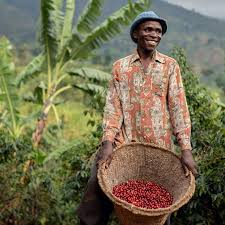
Thousands of smallholder farmers cultivate Bourbon-variety Arabica on small plots, often intercropped with bananas and other food crops. Coffee cherries are delivered to local washing stations, many located near the lakeshore.
Western Province is famous for its fully washed coffees. The typical process includes:
Careful handpicking of ripe cherries
Wet fermentation
Washing with clean water
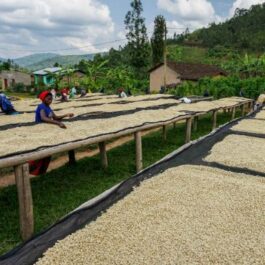
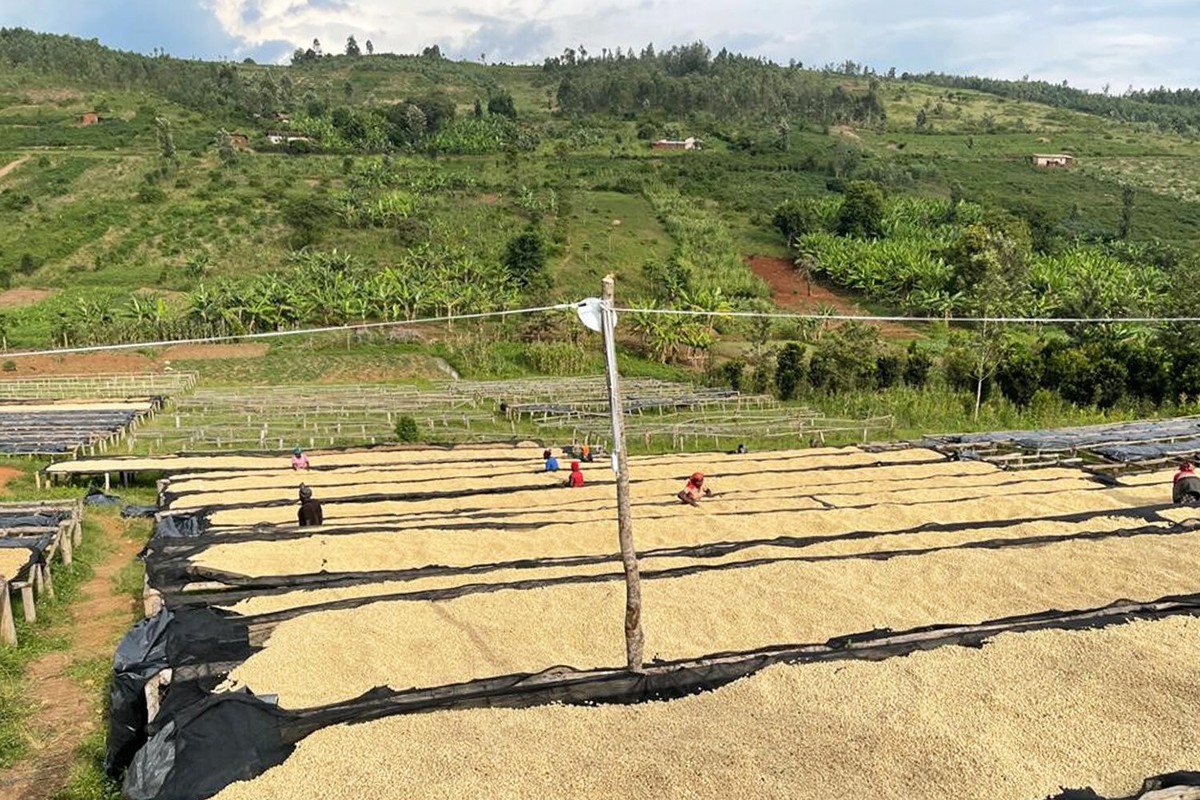
Drying on raised African beds
This method highlights clarity, brightness, and terroir-driven flavors. Increasingly, some stations are also experimenting with honey and natural processing to diversify flavor profiles.
Western Province coffees are celebrated for:
Bright, lively acidity
Notes of lemon, orange zest, and stone fruits
Floral hints such as jasmine
Honeyed sweetness
Clean, tea-like finish
These characteristics make Western Rwanda coffees highly sought after in the global specialty market.
Coffee plays a vital role in the livelihoods of rural communities across Western Province. Cooperative models and private washing stations support farmer training, quality improvement, and access to international markets. Over the past two decades, the region has become a symbol of Rwanda’s transformation into a respected specialty coffee origin.
Western Province stands as the cornerstone of Rwanda’s coffee identity. With its high elevations, volcanic terroir, and strong quality culture, it continues to produce coffees that are vibrant, elegant, and distinctly Rwandan—earning admiration from roasters and coffee lovers around the world.
" style="height: 100px" onchange="formValidation()" required>
Rwanda’s Western Province is widely regarded as the heart of the country’s specialty coffee production. Stretching along the dramatic shores of Lake Kivu, this region combines high-altitude farms, volcanic soils, and ideal microclimates to produce some of Africa’s most vibrant and elegant Arabica coffees.
Coffee in Western Province is typically grown at elevations between 1,500 and 2,200 meters above sea level. The steep hillsides, nourished by mineral-rich volcanic soils, provide excellent drainage and slow cherry maturation. Cool nights and warm days help concentrate sugars in the coffee cherries, enhancing sweetness and complexity in the cup.
The lake itself plays an important role in moderating temperatures, creating stable growing conditions that support consistent quality year after year.
Several districts in Western Province are particularly known for their coffee production:
Nyamasheke – Renowned for bright, citrus-forward coffees with floral aromatics.
Karongi – Produces well-balanced coffees with stone fruit sweetness and silky body.
Rutsiro – Known for high-elevation lots with crisp acidity and refined structure.
Thousands of smallholder farmers cultivate Bourbon-variety Arabica on small plots, often intercropped with bananas and other food crops. Coffee cherries are delivered to local washing stations, many located near the lakeshore.
Western Province is famous for its fully washed coffees. The typical process includes:
Careful handpicking of ripe cherries
Wet fermentation
Washing with clean water
Drying on raised African beds
This method highlights clarity, brightness, and terroir-driven flavors. Increasingly, some stations are also experimenting with honey and natural processing to diversify flavor profiles.
Western Province coffees are celebrated for:
Bright, lively acidity
Notes of lemon, orange zest, and stone fruits
Floral hints such as jasmine
Honeyed sweetness
Clean, tea-like finish
These characteristics make Western Rwanda coffees highly sought after in the global specialty market.
Coffee plays a vital role in the livelihoods of rural communities across Western Province. Cooperative models and private washing stations support farmer training, quality improvement, and access to international markets. Over the past two decades, the region has become a symbol of Rwanda’s transformation into a respected specialty coffee origin.
Western Province stands as the cornerstone of Rwanda’s coffee identity. With its high elevations, volcanic terroir, and strong quality culture, it continues to produce coffees that are vibrant, elegant, and distinctly Rwandan—earning admiration from roasters and coffee lovers around the world.

.jpeg)
.png)





No Comments Found!