Shopping cart
Your cart empty!
Your cart empty!
Terms of use dolor sit amet consectetur, adipisicing elit. Recusandae provident ullam aperiam quo ad non corrupti sit vel quam repellat ipsa quod sed, repellendus adipisci, ducimus ea modi odio assumenda.
Lorem ipsum dolor sit amet consectetur adipisicing elit. Sequi, cum esse possimus officiis amet ea voluptatibus libero! Dolorum assumenda esse, deserunt ipsum ad iusto! Praesentium error nobis tenetur at, quis nostrum facere excepturi architecto totam.
Lorem ipsum dolor sit amet consectetur adipisicing elit. Inventore, soluta alias eaque modi ipsum sint iusto fugiat vero velit rerum.
Sequi, cum esse possimus officiis amet ea voluptatibus libero! Dolorum assumenda esse, deserunt ipsum ad iusto! Praesentium error nobis tenetur at, quis nostrum facere excepturi architecto totam.
Lorem ipsum dolor sit amet consectetur adipisicing elit. Inventore, soluta alias eaque modi ipsum sint iusto fugiat vero velit rerum.
Dolor sit amet consectetur adipisicing elit. Sequi, cum esse possimus officiis amet ea voluptatibus libero! Dolorum assumenda esse, deserunt ipsum ad iusto! Praesentium error nobis tenetur at, quis nostrum facere excepturi architecto totam.
Lorem ipsum dolor sit amet consectetur adipisicing elit. Inventore, soluta alias eaque modi ipsum sint iusto fugiat vero velit rerum.
Sit amet consectetur adipisicing elit. Sequi, cum esse possimus officiis amet ea voluptatibus libero! Dolorum assumenda esse, deserunt ipsum ad iusto! Praesentium error nobis tenetur at, quis nostrum facere excepturi architecto totam.
Lorem ipsum dolor sit amet consectetur adipisicing elit. Inventore, soluta alias eaque modi ipsum sint iusto fugiat vero velit rerum.
Do you agree to our terms? Sign up
Rwanda’s Central Province, often referred to as the Central Region, is a steadily growing coffee-producing area that contributes to the country’s reputation for high-quality Arabica beans. Although smaller in scale than the western and northern coffee regions, it is known for producing balanced, approachable coffees prized for their consistency and versatility.
The Central Region encompasses the capital Kigali and surrounding districts such as Gasabo, Kicukiro, and Rwamagana. Coffee farms here are situated at moderate-to-high elevations, generally between 1,400 and 1,900 meters above sea level. The region benefits from fertile volcanic soils, mild temperatures, and well-distributed rainfall, which support steady cherry maturation and healthy plant growth.
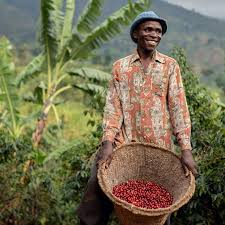
Most coffee farms in the Central Region are smallholder operations, often less than one hectare in size. Farmers carefully handpick ripe cherries and deliver them to local washing stations, where processing ensures quality and consistency. Cooperative models and community-based initiatives help farmers access training, maintain sustainable practices, and reach specialty coffee markets.
The predominant method in the Central Region is fully washed processing. This involves:
Sorting and handpicking ripe cherries
Fermentation in clean water
Thorough washing and grading
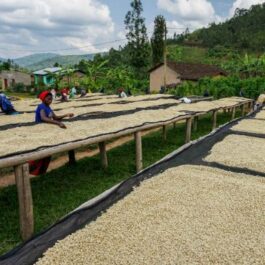
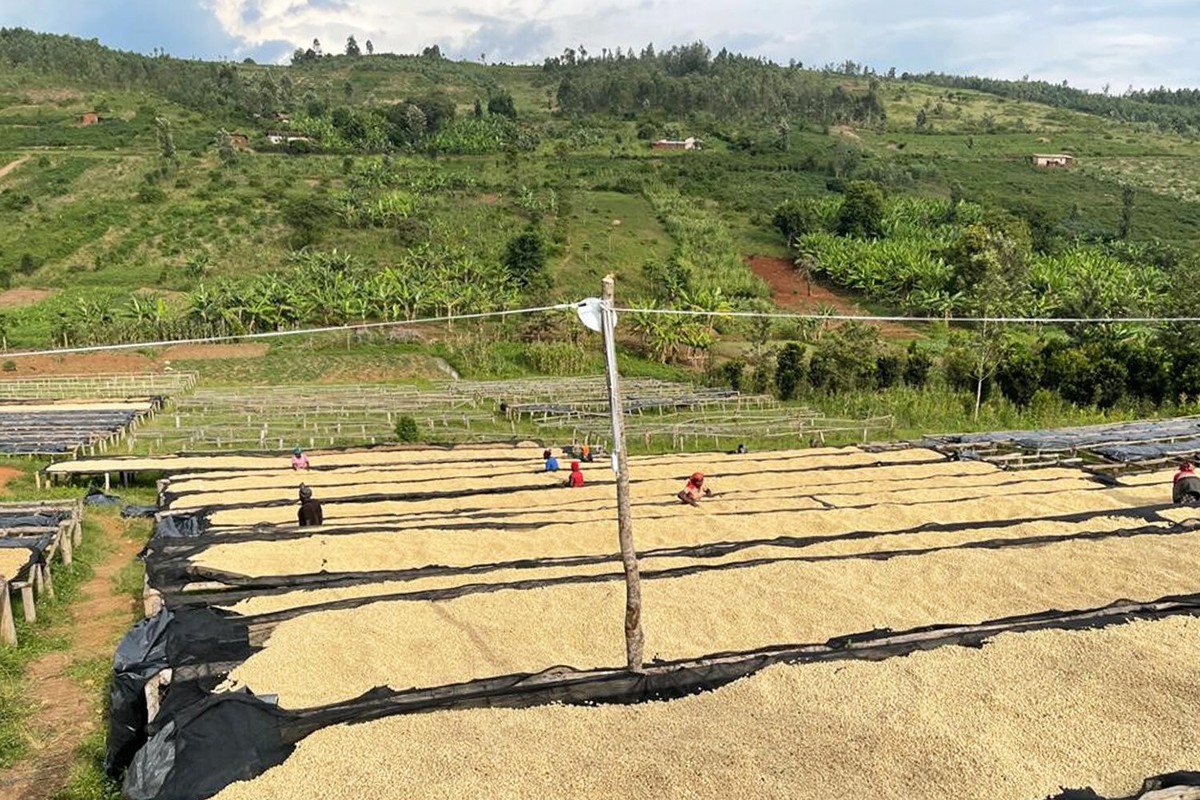
Drying on raised African beds
This method emphasizes clarity and balance, allowing the coffee’s natural sweetness and gentle acidity to shine.
Central Region coffees are known for their smooth and approachable character. Typical tasting notes include:
Medium body with soft, gentle acidity
Red fruit and berry undertones
Caramel and mild chocolate sweetness
Subtle floral hints
Clean, balanced finish
These profiles make the coffees highly versatile, suitable for both filter brewing and espresso preparation.
Coffee plays a crucial role in Central Region livelihoods. Cooperative washing stations provide training, quality control, and access to international markets. This has strengthened smallholder farmers’ incomes and fostered community development, making coffee an essential driver of socio-economic growth.
While not as high-profile as Rwanda’s western or northern coffee regions, the Central Region produces consistent, approachable, and well-balanced coffees that complement the country’s diverse coffee landscape. Its combination of moderate altitude, fertile soils, and careful processing delivers versatile cups that reflect Rwanda’s dedication to quality and sustainability

.jpeg)
.png)




No Comments Found!