Shopping cart
Your cart empty!
Your cart empty!
Terms of use dolor sit amet consectetur, adipisicing elit. Recusandae provident ullam aperiam quo ad non corrupti sit vel quam repellat ipsa quod sed, repellendus adipisci, ducimus ea modi odio assumenda.
Lorem ipsum dolor sit amet consectetur adipisicing elit. Sequi, cum esse possimus officiis amet ea voluptatibus libero! Dolorum assumenda esse, deserunt ipsum ad iusto! Praesentium error nobis tenetur at, quis nostrum facere excepturi architecto totam.
Lorem ipsum dolor sit amet consectetur adipisicing elit. Inventore, soluta alias eaque modi ipsum sint iusto fugiat vero velit rerum.
Sequi, cum esse possimus officiis amet ea voluptatibus libero! Dolorum assumenda esse, deserunt ipsum ad iusto! Praesentium error nobis tenetur at, quis nostrum facere excepturi architecto totam.
Lorem ipsum dolor sit amet consectetur adipisicing elit. Inventore, soluta alias eaque modi ipsum sint iusto fugiat vero velit rerum.
Dolor sit amet consectetur adipisicing elit. Sequi, cum esse possimus officiis amet ea voluptatibus libero! Dolorum assumenda esse, deserunt ipsum ad iusto! Praesentium error nobis tenetur at, quis nostrum facere excepturi architecto totam.
Lorem ipsum dolor sit amet consectetur adipisicing elit. Inventore, soluta alias eaque modi ipsum sint iusto fugiat vero velit rerum.
Sit amet consectetur adipisicing elit. Sequi, cum esse possimus officiis amet ea voluptatibus libero! Dolorum assumenda esse, deserunt ipsum ad iusto! Praesentium error nobis tenetur at, quis nostrum facere excepturi architecto totam.
Lorem ipsum dolor sit amet consectetur adipisicing elit. Inventore, soluta alias eaque modi ipsum sint iusto fugiat vero velit rerum.
Do you agree to our terms? Sign up
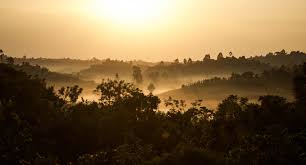
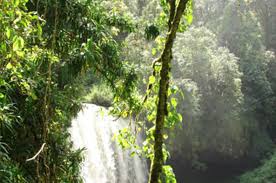
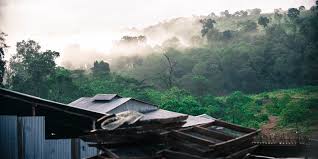
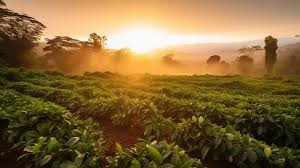
Teppi is a well-known coffee-growing region located in southwestern Ethiopia, within the Illubabor Zone of the Oromia Regional State. It sits at moderate elevations, generally between 1,000 and 1,600 meters above sea level, and benefits from a humid, tropical climate, abundant rainfall, and fertile volcanic soils, all of which create ideal conditions for cultivating high-quality Arabica coffee. The area is characterized by rolling hills, dense forests, and river valleys, allowing coffee to be grown under natural shade, which supports biodiversity and sustainable farming practices.
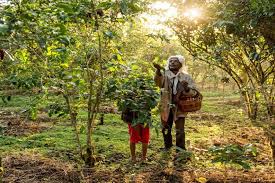
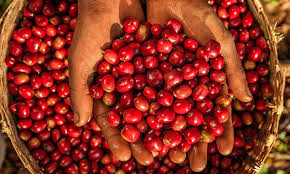
Coffee production in Teppi is primarily carried out by smallholder farmers, who cultivate heirloom Ethiopian Arabica varieties on small plots, often intercropped with local food crops and indigenous trees. The region produces both washed (wet-processed) and natural (dry-processed) coffees, though natural processing is more common, resulting in fruity and full-bodied coffee profiles. Local washing stations carefully ferment and dry washed coffees on raised beds to preserve clarity and highlight the unique flavors of Teppi beans.
Teppi coffees are highly regarded for their rich and complex cup profiles, often featuring medium to full body, bright but balanced acidity, and layered flavors. Typical tasting notes include cocoa, chocolate, red berries, tropical fruits, and mild floral hints, with a smooth, lingering finish. Natural-processed Teppi coffees often exhibit more pronounced fruitiness and wine-like characteristics, making them especially appealing in the specialty coffee market.
The region’s coffee-growing tradition reflects Ethiopia’s centuries-old Arabica heritage, with smallholder expertise, fertile terroir, and careful post-harvest processing combining to produce distinctive, high-quality beans. Teppi coffees are increasingly recognized in international markets for their balance, sweetness, and complexity, contributing to Ethiopia’s global reputation as the birthplace of Arabica coffee.



.png)





No Comments Found!