Shopping cart
Your cart empty!
Your cart empty!
Terms of use dolor sit amet consectetur, adipisicing elit. Recusandae provident ullam aperiam quo ad non corrupti sit vel quam repellat ipsa quod sed, repellendus adipisci, ducimus ea modi odio assumenda.
Lorem ipsum dolor sit amet consectetur adipisicing elit. Sequi, cum esse possimus officiis amet ea voluptatibus libero! Dolorum assumenda esse, deserunt ipsum ad iusto! Praesentium error nobis tenetur at, quis nostrum facere excepturi architecto totam.
Lorem ipsum dolor sit amet consectetur adipisicing elit. Inventore, soluta alias eaque modi ipsum sint iusto fugiat vero velit rerum.
Sequi, cum esse possimus officiis amet ea voluptatibus libero! Dolorum assumenda esse, deserunt ipsum ad iusto! Praesentium error nobis tenetur at, quis nostrum facere excepturi architecto totam.
Lorem ipsum dolor sit amet consectetur adipisicing elit. Inventore, soluta alias eaque modi ipsum sint iusto fugiat vero velit rerum.
Dolor sit amet consectetur adipisicing elit. Sequi, cum esse possimus officiis amet ea voluptatibus libero! Dolorum assumenda esse, deserunt ipsum ad iusto! Praesentium error nobis tenetur at, quis nostrum facere excepturi architecto totam.
Lorem ipsum dolor sit amet consectetur adipisicing elit. Inventore, soluta alias eaque modi ipsum sint iusto fugiat vero velit rerum.
Sit amet consectetur adipisicing elit. Sequi, cum esse possimus officiis amet ea voluptatibus libero! Dolorum assumenda esse, deserunt ipsum ad iusto! Praesentium error nobis tenetur at, quis nostrum facere excepturi architecto totam.
Lorem ipsum dolor sit amet consectetur adipisicing elit. Inventore, soluta alias eaque modi ipsum sint iusto fugiat vero velit rerum.
Do you agree to our terms? Sign up
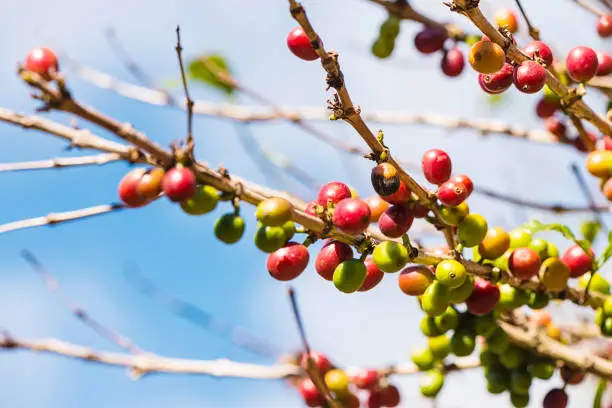
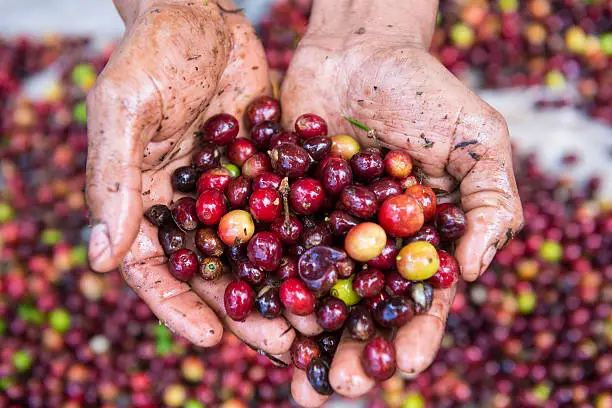
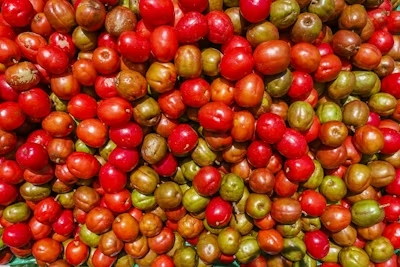
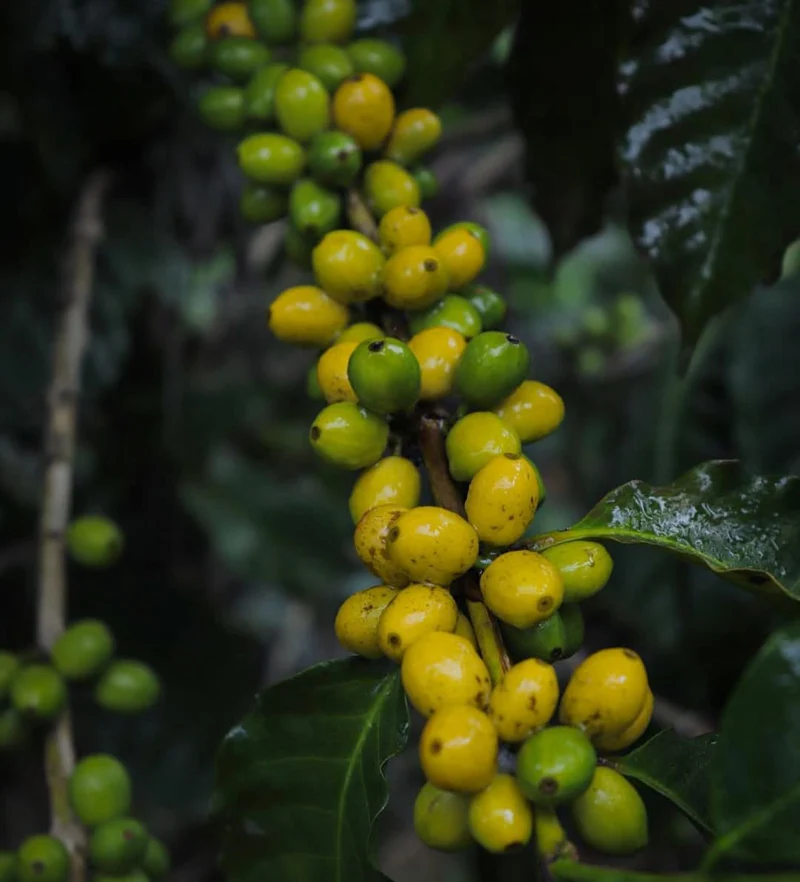
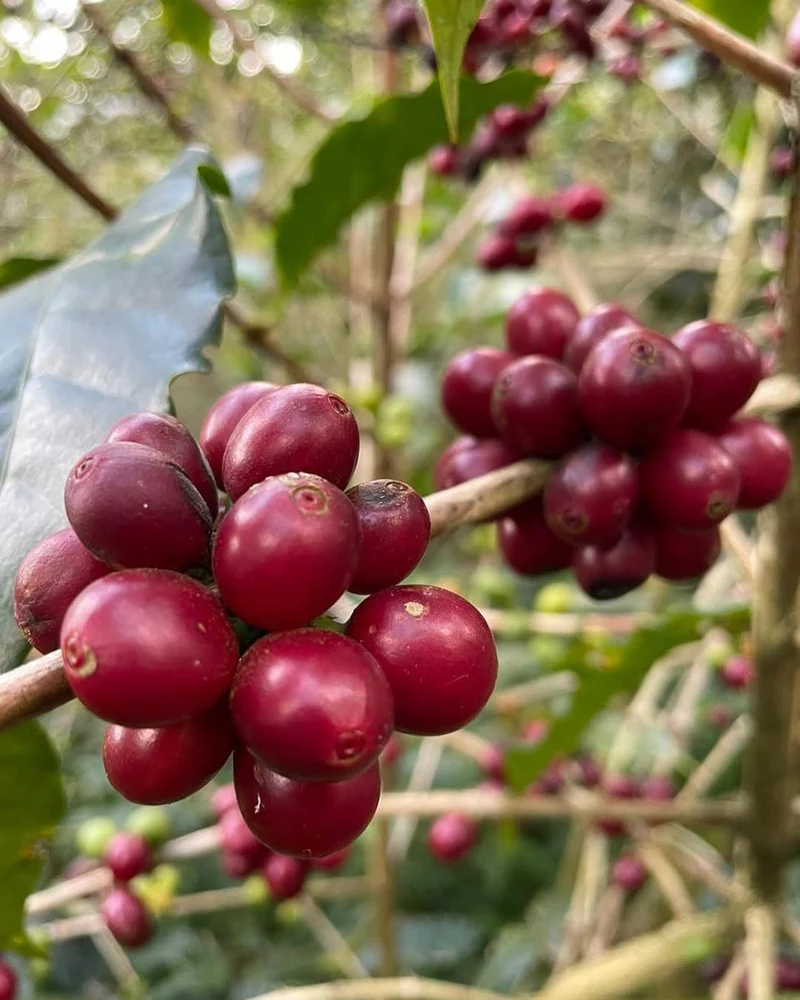
The Cacahuatique region stands out within El Salvador for its distinctive soil and challenging terrain, which necessitate unique farming practices. This area is known for producing dependable coffees that offer a unique blend of sweetness and spice.
1. Geography and Terroir
Location: Situated in the northeastern part of the country, between the departments of San Miguel and Morazán.
Geology: The region is centered on the Cerro Cacahuatique, a massive Pleistocene stratovolcano.
Altitude: Coffee is grown at altitudes averaging between 500 to 1,663 meters above sea level (MASL), allowing for both High Grown (HG) and Strictly High Grown (SHG) classifications.
Soil: The area is known for its distinctive clay-like soil. Farmers often must dig large holes and fill them with richer soil to successfully plant new coffee trees.
2. Production and Scale
Output: While not one of the largest by volume, the region is a steady contributor to El Salvador's diverse coffee market.
Producer Profile: The area is primarily composed of various smallholder farms and cooperatives. These local associations play a crucial role in providing resources to farmers in remote locations, helping them access the market.
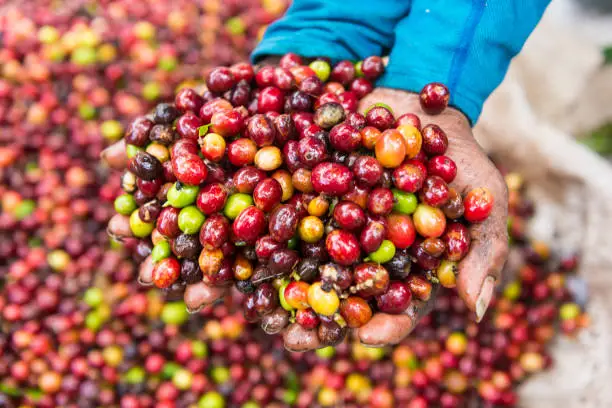
Harvest Season: The typical harvest period runs from October to March.
3. Varietal Profile
Bourbon & Pacas: These two traditional varieties form the backbone of the region's production.
Catimor: This variety is also commonly grown in the region, likely due to its resilience to diseases, which may be important given the challenging soil conditions.
Diversity: The varietals grown contribute to a diverse range of potential flavor profiles.
4. Flavor and Processing
Classic Profile: Coffees from Cacahuatique are often described as having high aroma and medium body with bright, sweet acidity. Common tasting notes include:
Core: Chocolate, cocoa, and brown sugar.
Accents: Orange and citrus, raisins, floral hints, and spices.
Processing Trends: The primary processing method used in this region is the washed method, which helps emphasize the coffee's bright acidity and clarity of flavor. Sun-drying is also a common practice.
.png)





No Comments Found!