Shopping cart
Your cart empty!
Your cart empty!
Terms of use dolor sit amet consectetur, adipisicing elit. Recusandae provident ullam aperiam quo ad non corrupti sit vel quam repellat ipsa quod sed, repellendus adipisci, ducimus ea modi odio assumenda.
Lorem ipsum dolor sit amet consectetur adipisicing elit. Sequi, cum esse possimus officiis amet ea voluptatibus libero! Dolorum assumenda esse, deserunt ipsum ad iusto! Praesentium error nobis tenetur at, quis nostrum facere excepturi architecto totam.
Lorem ipsum dolor sit amet consectetur adipisicing elit. Inventore, soluta alias eaque modi ipsum sint iusto fugiat vero velit rerum.
Sequi, cum esse possimus officiis amet ea voluptatibus libero! Dolorum assumenda esse, deserunt ipsum ad iusto! Praesentium error nobis tenetur at, quis nostrum facere excepturi architecto totam.
Lorem ipsum dolor sit amet consectetur adipisicing elit. Inventore, soluta alias eaque modi ipsum sint iusto fugiat vero velit rerum.
Dolor sit amet consectetur adipisicing elit. Sequi, cum esse possimus officiis amet ea voluptatibus libero! Dolorum assumenda esse, deserunt ipsum ad iusto! Praesentium error nobis tenetur at, quis nostrum facere excepturi architecto totam.
Lorem ipsum dolor sit amet consectetur adipisicing elit. Inventore, soluta alias eaque modi ipsum sint iusto fugiat vero velit rerum.
Sit amet consectetur adipisicing elit. Sequi, cum esse possimus officiis amet ea voluptatibus libero! Dolorum assumenda esse, deserunt ipsum ad iusto! Praesentium error nobis tenetur at, quis nostrum facere excepturi architecto totam.
Lorem ipsum dolor sit amet consectetur adipisicing elit. Inventore, soluta alias eaque modi ipsum sint iusto fugiat vero velit rerum.
Do you agree to our terms? Sign up
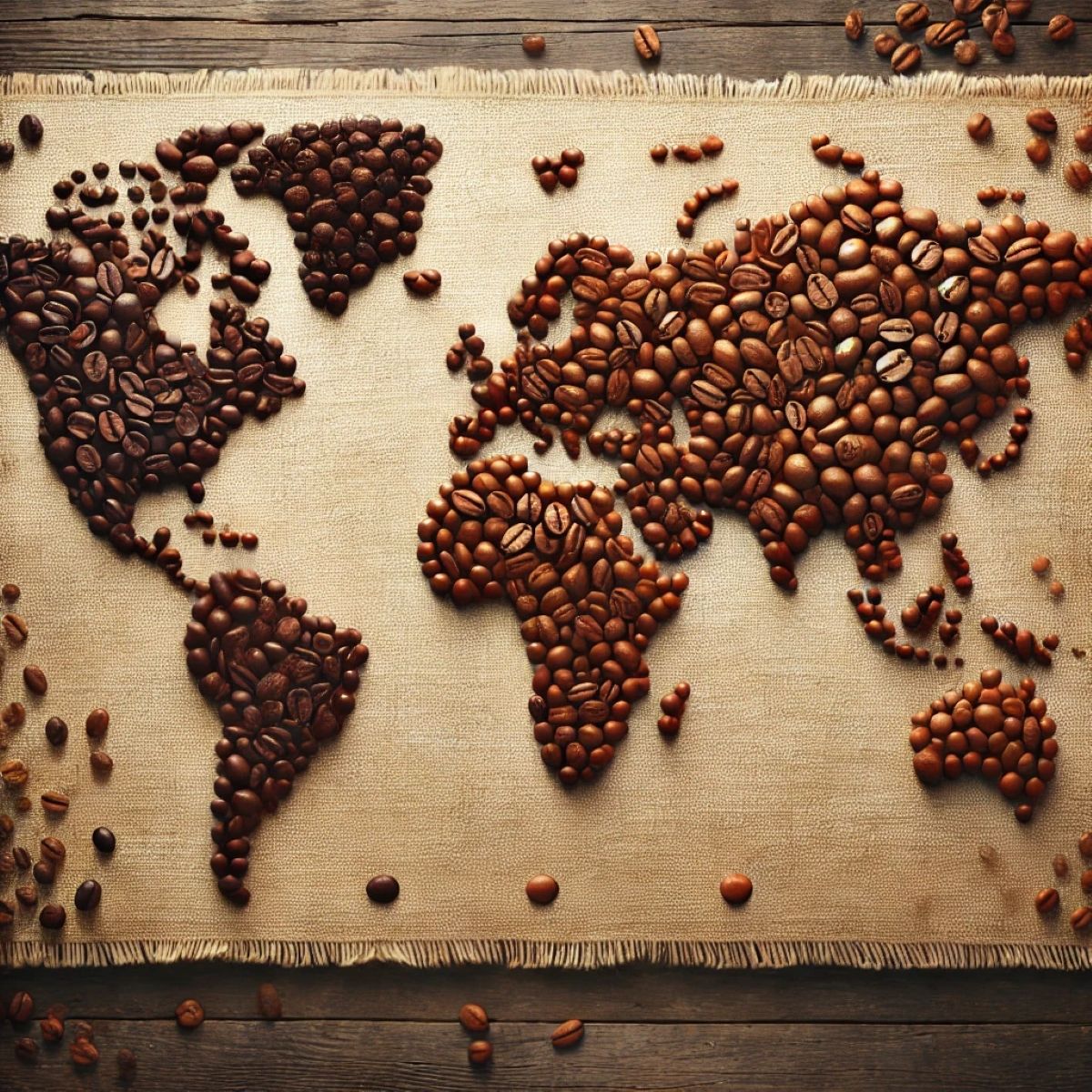
Kirinyaga County, located on the fertile slopes of Mount Kenya in central Kenya, is one of the country’s most renowned coffee-producing regions. Its high-altitude landscape, ranging from 1,400 to 2,000 meters above sea level, coupled with fertile volcanic soils, well-distributed rainfall, and cool temperatures, creates an ideal environment for cultivating Arabica coffee of exceptional quality. These conditions allow coffee cherries to mature slowly, developing the vibrant acidity, complex flavour profiles, and sweetness that have made Kirinyaga coffees a hallmark of specialty coffee worldwide.
Coffee cultivation in Kirinyaga is overwhelmingly undertaken by smallholder farmers, typically managing less than one hectare of land per household. These farmers are often organized into cooperative societies, which serve as the backbone of Kenya’s coffee system. Cooperatives provide critical support, including wet mill facilities, training in agronomy and disease management, and access to the Nairobi Coffee Exchange (NCE), where coffees are auctioned and graded. This cooperative-driven structure ensures high standards of quality control, consistency, and fair compensation, while also preserving traditional farming practices that enhance soil fertility and biodiversity.
The region grows some of Kenya’s most celebrated varieties, including SL28, SL34, and Ruiru 11. SL28 and SL34 are prized for their bright, wine-like acidity, layered fruit notes, and clean, lingering finish, whereas Ruiru 11 is valued for disease resistance and yield without compromising cup quality. Some micro-lots from Kirinyaga display intense blackcurrant, red berry, citrus, and floral notes, reflecting both the altitude and volcanic soil composition. Many farms practice agroforestry, intercropping coffee with bananas, maize, and indigenous shade trees, which enhances ecological stability and contributes to the coffee’s nuanced Flavors.
Within Kirinyaga, subtle microclimatic variations create distinct coffee characteristics. The Ndia and Mwea zones receive consistent rainfall and have fertile soils, producing balanced coffees with moderate body and bright fruit notes. The Kianyaga and Kerugoya areas, at slightly higher elevations, generate more complex and aromatic coffees with pronounced citrus and floral tones. These microclimates, combined with meticulous washed processing, give Kirinyaga coffees a clarity and vibrancy that is often used as a benchmark for Kenyan Arabica in the global specialty market.
Historically, coffee cultivation in Kirinyaga expanded significantly during colonial rule, and after Kenya’s independence, smallholders organized cooperatives that remain central to production today. Although challenges such as aging coffee trees, small farm sizes, climate change, and price fluctuations persist, ongoing investments in farm rejuvenation, improved processing facilities, and farmer training programs have helped maintain Kirinyaga’s reputation for excellence. The region continues to supply both the domestic market and international specialty buyers with high-quality coffees.
For coffee enthusiasts, Kirinyaga offers a quintessential example of Kenyan highland coffee: lively acidity, clean cup, intense fruit-forward notes, and floral undertones, all reflecting the unique terroir of Mount Kenya’s slopes. It is a region where meticulous farming, rich soils, and ideal climate converge to produce coffees of remarkable consistency and elegance.

.png)






No Comments Found!