Shopping cart
Your cart empty!
Your cart empty!
Terms of use dolor sit amet consectetur, adipisicing elit. Recusandae provident ullam aperiam quo ad non corrupti sit vel quam repellat ipsa quod sed, repellendus adipisci, ducimus ea modi odio assumenda.
Lorem ipsum dolor sit amet consectetur adipisicing elit. Sequi, cum esse possimus officiis amet ea voluptatibus libero! Dolorum assumenda esse, deserunt ipsum ad iusto! Praesentium error nobis tenetur at, quis nostrum facere excepturi architecto totam.
Lorem ipsum dolor sit amet consectetur adipisicing elit. Inventore, soluta alias eaque modi ipsum sint iusto fugiat vero velit rerum.
Sequi, cum esse possimus officiis amet ea voluptatibus libero! Dolorum assumenda esse, deserunt ipsum ad iusto! Praesentium error nobis tenetur at, quis nostrum facere excepturi architecto totam.
Lorem ipsum dolor sit amet consectetur adipisicing elit. Inventore, soluta alias eaque modi ipsum sint iusto fugiat vero velit rerum.
Dolor sit amet consectetur adipisicing elit. Sequi, cum esse possimus officiis amet ea voluptatibus libero! Dolorum assumenda esse, deserunt ipsum ad iusto! Praesentium error nobis tenetur at, quis nostrum facere excepturi architecto totam.
Lorem ipsum dolor sit amet consectetur adipisicing elit. Inventore, soluta alias eaque modi ipsum sint iusto fugiat vero velit rerum.
Sit amet consectetur adipisicing elit. Sequi, cum esse possimus officiis amet ea voluptatibus libero! Dolorum assumenda esse, deserunt ipsum ad iusto! Praesentium error nobis tenetur at, quis nostrum facere excepturi architecto totam.
Lorem ipsum dolor sit amet consectetur adipisicing elit. Inventore, soluta alias eaque modi ipsum sint iusto fugiat vero velit rerum.
Do you agree to our terms? Sign up
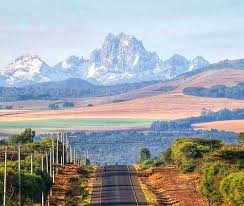
The eastern slopes of Mount Kenya, shared by Embu and Meru Counties, represent one of the most dynamic and high-potential coffee-producing corridors in Kenya. These counties lie within a broad altitudinal range of 1,200 to over 2,100 meters above sea level, forming a sweeping highland landscape shaped by volcanic activity, cool temperateres, and abundant rainfall. This combination creates some of the most favourable conditions for cultivating Arabica coffee, contributing to the distinct flavour profiles that have steadily elevated both regions within the global specialty market.
Both Embu and Meru sit along the eastern and northeastern slopes of Mount Kenya, receiving moisture-laden winds that result in well-distributed rainfall across two main seasons. Their volcanic and loamy soils are rich in nutrients, allowing coffee trees to develop deep root systems and absorb minerals essential for flavour development. Cooler nights and moderate daytime temperatures slow down cherry maturation, creating beans with heightened sweetness, pronounced acidity, and layered complexity. These highland ecosystems also support diverse shade trees—such as Grevillea, Albizia, and indigenous species—that enhance biodiversity and provide natural microclimates ideal for specialty coffee cultivation.
Coffee production in both counties is dominated by smallholder farmers, often cultivating less than a hectare and relying heavily on cooperative societies for processing and marketing. Cooperatives operate centralized wet mills (factories) where cherries are sorted, pulped, washed, fermented, and dried using Kenya’s traditional double-washed method. This process contributes to the clean, bright, and expressive flavour profiles characteristic of coffees from the region.
In Embu, well-known cooperatives such as Kibugu, Rianjagi, and Murue maintain rigorous quality standards, while Meru is home to respected groups like Imenti and Nyaki, which have made significant improvements in post-harvest handling. Farmer education programs, often supported by exporters and NGOs, emphasize sustainable cultivation practices, rejuvenation of old trees, soil conservation, and adaptation to climate change.
The main varieties grown in both Embu and Meru include SL28, SL34, and Ruiru 11, with increasing adoption of Batian, a high-yielding and disease-resistant variety developed by local research institutions. SL28 and SL34 remain prized for their ability to express the region’s terroir—offering exceptional fruit clarity, acidity, and sweetness—while Ruiru 11 and Batian help maintain productivity and resilience.
Many farmers practice agroforestry, intercropping coffee with bananas, macadamia, maize, and indigenous shade trees. This approach enhances soil health, reduces erosion, and supports a more stable microclimate, further contributing to the cup quality.
Although neighbouring, Embu and Meru exhibit distinct microclimatic variations that influence their coffee profiles:
Embu County typically produces clean, crisp, and structured coffees, defined by bright citrus acidity, floral aromatics, and red fruit sweetness. Areas like Kianjokoma, Runyenjes, and Manyatta are known for consistent rainfall and cool temperatures, resulting in coffees with a balanced acidity and clarity.
Meru County, with its slightly broader climatic range and proximity to both Mount Kenya and Nyambene Hills, offers fruity, aromatic, and often more rounded coffees. Regions such as Imenti South, Imenti North, and Tigania produce coffees with notes of blackberry, plum, citrus, tropical fruit, and delicate florals, often supported by a smooth, sweet body.
These differences make Embu and Meru vital contributors to the diversity of Kenya’s highland coffee belt.
The classic washed and double-washed processing systems dominate in both counties. Cherries are handpicked at peak ripeness, pulped within hours, fermented, washed through clean mountain water, and dried on raised beds under controlled conditions. This meticulous process enhances acidity, cleanliness, and transparency of flavour.
Some specialty-focussed mills are beginning to experiment with natural and honey processing, creating micro-lots that highlight deeper fruit notes and sweetness without sacrificing the region’s inherent brightness.
Coffees from Embu and Meru are celebrated for their balanced expression of acidity, sweetness, and complexity. Typical flavour notes include:
These profiles reflect the counties’ high-elevation terroir, nutrient-rich soils, and careful processing.
Coffee remains a major livelihood for thousands of smallholders in both counties. Despite challenges such as aging trees, climate change, fluctuating prices, and land subdivision, both regions continue to strengthen their position in the specialty market. Investments in disease-resistant varieties, improved wet mills, farmer training, and transparent supply-chain partnerships have helped drive higher quality and better earnings.
Today, Embu and Meru coffees consistently appear in specialty auctions, direct-trade relationships, and high-end roasters’ selections, reinforcing their importance within the broader Mount Kenya coffee ecosystem.
.png)






No Comments Found!