Shopping cart
Your cart empty!
Your cart empty!
Terms of use dolor sit amet consectetur, adipisicing elit. Recusandae provident ullam aperiam quo ad non corrupti sit vel quam repellat ipsa quod sed, repellendus adipisci, ducimus ea modi odio assumenda.
Lorem ipsum dolor sit amet consectetur adipisicing elit. Sequi, cum esse possimus officiis amet ea voluptatibus libero! Dolorum assumenda esse, deserunt ipsum ad iusto! Praesentium error nobis tenetur at, quis nostrum facere excepturi architecto totam.
Lorem ipsum dolor sit amet consectetur adipisicing elit. Inventore, soluta alias eaque modi ipsum sint iusto fugiat vero velit rerum.
Sequi, cum esse possimus officiis amet ea voluptatibus libero! Dolorum assumenda esse, deserunt ipsum ad iusto! Praesentium error nobis tenetur at, quis nostrum facere excepturi architecto totam.
Lorem ipsum dolor sit amet consectetur adipisicing elit. Inventore, soluta alias eaque modi ipsum sint iusto fugiat vero velit rerum.
Dolor sit amet consectetur adipisicing elit. Sequi, cum esse possimus officiis amet ea voluptatibus libero! Dolorum assumenda esse, deserunt ipsum ad iusto! Praesentium error nobis tenetur at, quis nostrum facere excepturi architecto totam.
Lorem ipsum dolor sit amet consectetur adipisicing elit. Inventore, soluta alias eaque modi ipsum sint iusto fugiat vero velit rerum.
Sit amet consectetur adipisicing elit. Sequi, cum esse possimus officiis amet ea voluptatibus libero! Dolorum assumenda esse, deserunt ipsum ad iusto! Praesentium error nobis tenetur at, quis nostrum facere excepturi architecto totam.
Lorem ipsum dolor sit amet consectetur adipisicing elit. Inventore, soluta alias eaque modi ipsum sint iusto fugiat vero velit rerum.
Do you agree to our terms? Sign up
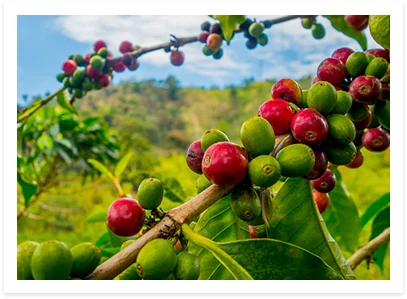
Huehuetenango, Guatemala — In the rugged western highlands of Guatemala, a coffee origin is making waves across the global specialty market. Known for its bright acidity, fruity notes, and complex flavor profile, Huehuetenango coffee has become a favourite among roasters and coffee lovers worldwide.
Nestled near the Mexican border, Huehuetenango sits at altitudes between 1,500 and 2,000 meters. Unlike other highland regions, it benefits from warm winds blowing in from Mexico’s Tehuantepec plain, which protect the crops from frost. This unique microclimate allows farmers to cultivate coffee at elevations rarely possible elsewhere.
Coffee from Huehuetenango is celebrated for:
Lively acidity with a clean finish
Lively acidity — apple, citrus, berries
Silky body with occasional hints of chocolate or caramel
These qualities make it a standout in both single-origin brews and blends.
Most Huehuetenango coffee is grown by smallholder farmers on family-owned plots. With abundant rivers and streams, washed processing is common, ensuring clarity in the cup. Many lots are classified as Strictly High Grown (SHG) and prepared to European standards (EP), guaranteeing top quality for export.
Exports: Huehuetenango coffee represents a significant share of Guatemala’s specialty coffee exports.
Recognition: Specialty buyers prize it for its consistency and versatility, often highlighting it in competitions and cupping events.
Consumer Demand: Coffee shops across North America, Europe, and Asia increasingly feature Huehuetenango beans as seasonal single-origin offerings, drawing attention to Guatemala’s diverse coffee landscape.
Guatemala’s coffee industry is a cornerstone of its agricultural exports, with regions like Huehuetenango, Antigua, and Atitlán producing beans prized worldwide.
The country’s total coffee planted area is about 305,000 hectares, but production has faced challenges in recent years.
In the 2021/2022 season, exports dropped by 10%, and forecasts predict an additional 6% decline in 2023/2024.
Rising fertilizer costs and a lack of labour are reducing yields and quality, as fewer farmers can afford specialized workers to harvest only ripe cherries
.png)





No Comments Found!