Shopping cart
Your cart empty!
Your cart empty!
Terms of use dolor sit amet consectetur, adipisicing elit. Recusandae provident ullam aperiam quo ad non corrupti sit vel quam repellat ipsa quod sed, repellendus adipisci, ducimus ea modi odio assumenda.
Lorem ipsum dolor sit amet consectetur adipisicing elit. Sequi, cum esse possimus officiis amet ea voluptatibus libero! Dolorum assumenda esse, deserunt ipsum ad iusto! Praesentium error nobis tenetur at, quis nostrum facere excepturi architecto totam.
Lorem ipsum dolor sit amet consectetur adipisicing elit. Inventore, soluta alias eaque modi ipsum sint iusto fugiat vero velit rerum.
Sequi, cum esse possimus officiis amet ea voluptatibus libero! Dolorum assumenda esse, deserunt ipsum ad iusto! Praesentium error nobis tenetur at, quis nostrum facere excepturi architecto totam.
Lorem ipsum dolor sit amet consectetur adipisicing elit. Inventore, soluta alias eaque modi ipsum sint iusto fugiat vero velit rerum.
Dolor sit amet consectetur adipisicing elit. Sequi, cum esse possimus officiis amet ea voluptatibus libero! Dolorum assumenda esse, deserunt ipsum ad iusto! Praesentium error nobis tenetur at, quis nostrum facere excepturi architecto totam.
Lorem ipsum dolor sit amet consectetur adipisicing elit. Inventore, soluta alias eaque modi ipsum sint iusto fugiat vero velit rerum.
Sit amet consectetur adipisicing elit. Sequi, cum esse possimus officiis amet ea voluptatibus libero! Dolorum assumenda esse, deserunt ipsum ad iusto! Praesentium error nobis tenetur at, quis nostrum facere excepturi architecto totam.
Lorem ipsum dolor sit amet consectetur adipisicing elit. Inventore, soluta alias eaque modi ipsum sint iusto fugiat vero velit rerum.
Do you agree to our terms? Sign up
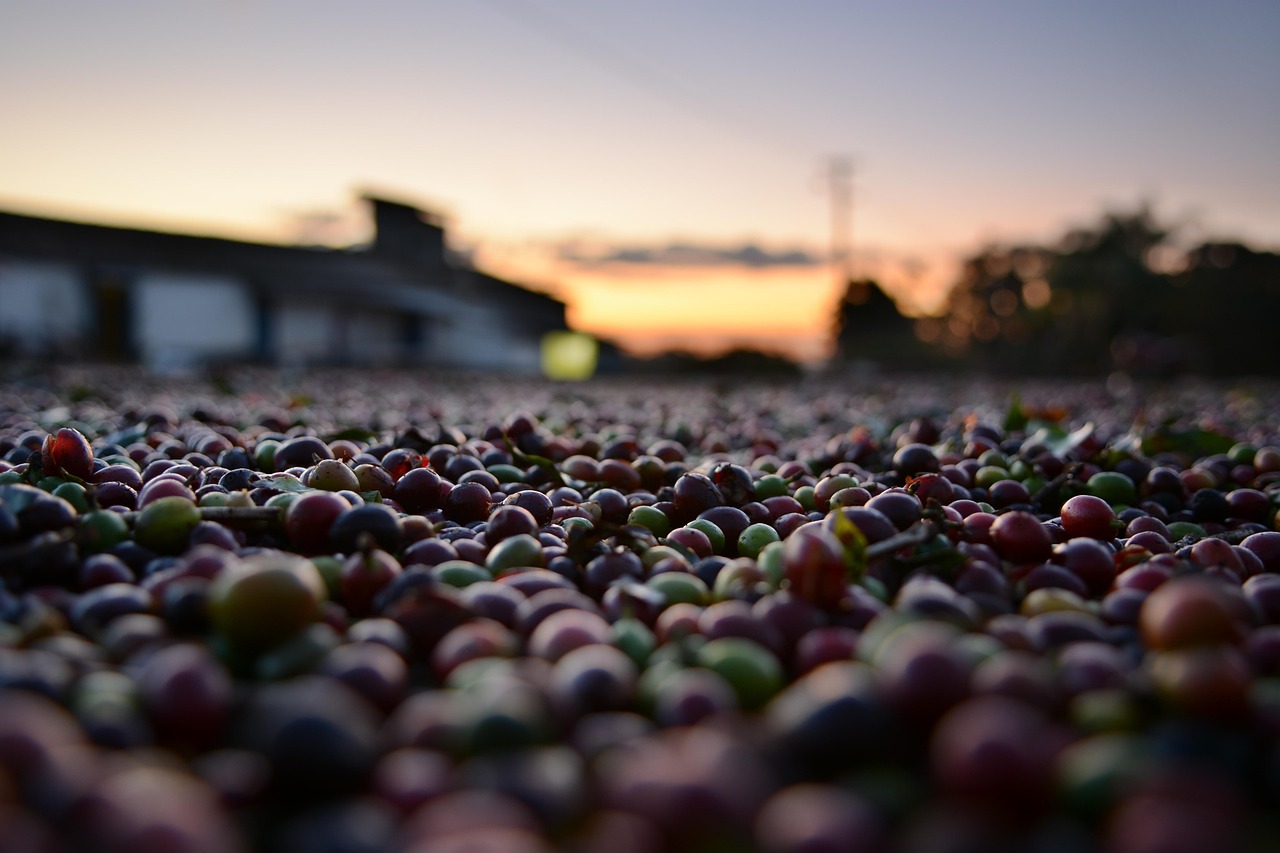
Exclusive U.S. Coffee Region: Hawaii is the only U.S. state that grows coffee commercially, thanks to its volcanic soil, tropical climate, and high elevations.
Kona Coffee: Grown on the slopes of Mauna Loa in the Kona district of the Big Island, it’s prized for its rich, smooth, and slightly nutty flavor. 100% Kona coffee is rare and expensive because of limited production.
Other Regions: While Kona is most famous, other Hawaiian regions produce excellent coffee:
Kaʻū Coffee: A hidden gem with complex flavors, often fruity and floral.
Maui Coffee: Known for its diversity and community-driven farms.
Kauaʻi Coffee: The largest coffee estate in the U.S., offering a wide range of roasts.
Flavor Profile: Hawaiian coffees are typically low in acidity, smooth, and well-balanced, with notes ranging from chocolate and caramel to tropical fruit.
Premium Pricing: Hawaiian coffee is expensive due to small-scale production, high labour costs, and strict quality standards.
| Region | Notable Traits | Flavour Profile | Scale |
| Kona | Most famous, volcanic slopes | Smooth, nutty, chocolatey | small farms, limited |
| Kaʻū | Emerging reputation | Fruity, floral, complex | Boutique production |
| Maui | Community-driven | Diverse, experimental | Medium-scale |
| Kauaʻi | Largest estate | Balanced, approachable | Large-scale estate |
Low Acidity: Hawaiian coffees are smooth and easy to drink.
Balanced Body: Medium-bodied, not too heavy or too light.
Distinct Notes: Chocolate, caramel, nutty undertones, sometimes tropical fruit or floral hints depending on region.
Premium Cost: 100% Kona coffee can cost $30–$50 per pound due to limited supply and high labor costs.
Blends vs. Pure: Many “Kona blends” contain only 10% Kona beans mixed with cheaper beans. Look for “100% Kona” on the label to ensure authenticity.
Certification: Genuine Hawaiian coffee often carries regional certifications (like Kona Coffee Council seals).
Farming & Sustainability
Hand-Picked Tradition: Beans are carefully harvested to maintain quality.
Small Family Farms: Many Hawaiian coffee farms are family-owned, focusing on artisanal production.
Eco-Friendly Practices: Increasing emphasis on organic farming and sustainable methods.
Why It’s Special
Limited production makes it rare and highly sought-after.
Distinct terroir (soil + climate) gives Hawaiian coffee a flavor profile unlike any other.
Cultural heritage: Coffee farming has been part of Hawaii’s identity since the early 1800s.
.png)





No Comments Found!