Shopping cart
Your cart empty!
Your cart empty!
Terms of use dolor sit amet consectetur, adipisicing elit. Recusandae provident ullam aperiam quo ad non corrupti sit vel quam repellat ipsa quod sed, repellendus adipisci, ducimus ea modi odio assumenda.
Lorem ipsum dolor sit amet consectetur adipisicing elit. Sequi, cum esse possimus officiis amet ea voluptatibus libero! Dolorum assumenda esse, deserunt ipsum ad iusto! Praesentium error nobis tenetur at, quis nostrum facere excepturi architecto totam.
Lorem ipsum dolor sit amet consectetur adipisicing elit. Inventore, soluta alias eaque modi ipsum sint iusto fugiat vero velit rerum.
Sequi, cum esse possimus officiis amet ea voluptatibus libero! Dolorum assumenda esse, deserunt ipsum ad iusto! Praesentium error nobis tenetur at, quis nostrum facere excepturi architecto totam.
Lorem ipsum dolor sit amet consectetur adipisicing elit. Inventore, soluta alias eaque modi ipsum sint iusto fugiat vero velit rerum.
Dolor sit amet consectetur adipisicing elit. Sequi, cum esse possimus officiis amet ea voluptatibus libero! Dolorum assumenda esse, deserunt ipsum ad iusto! Praesentium error nobis tenetur at, quis nostrum facere excepturi architecto totam.
Lorem ipsum dolor sit amet consectetur adipisicing elit. Inventore, soluta alias eaque modi ipsum sint iusto fugiat vero velit rerum.
Sit amet consectetur adipisicing elit. Sequi, cum esse possimus officiis amet ea voluptatibus libero! Dolorum assumenda esse, deserunt ipsum ad iusto! Praesentium error nobis tenetur at, quis nostrum facere excepturi architecto totam.
Lorem ipsum dolor sit amet consectetur adipisicing elit. Inventore, soluta alias eaque modi ipsum sint iusto fugiat vero velit rerum.
Do you agree to our terms? Sign up
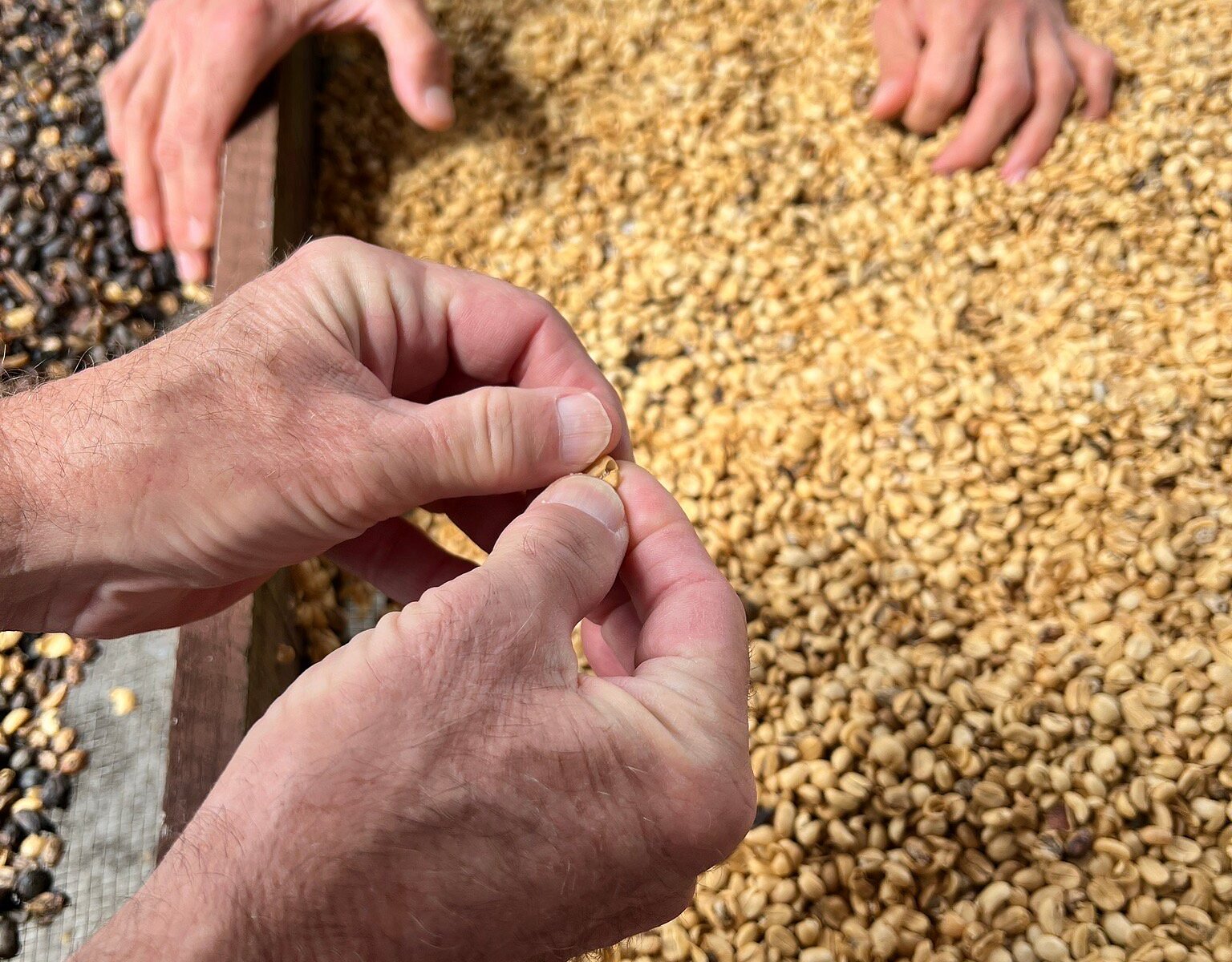
Valle Grande coffee from Bolivia is mild, smooth, and historically part of the country’s most notable coffee regions.
Location: Valle Grande is in the Cochabamba Department of Bolivia, one of the traditional coffee-producing areas.
Altitude: Coffee is cultivated between 800–2,300 meters, which allows Arabica beans to develop slowly and gain complexity.
History: Alongside Yungas, Caupalicam, and Espíritu Santo, Valle Grande was once among Bolivia’s most recognized coffee districts, especially in the 19th century, when Bolivian beans were exported to Europe and compared favorably to Yemen’s Mocha.
Mild Body: Smooth and easy-drinking, less intense than Caranavi or Sud Yungas.
Balanced Acidity: Gentle brightness without overpowering sharpness.
Sweet Undertones: Notes of caramel and chocolate, especially in medium roasts.
Subtle Fruitiness: Occasional hints of red fruits like apple or grape.
Historic Prestige: Valle Grande contributed to Bolivia’s reputation as a producer of refined, high-altitude Arabica.
Modern Context: Today, Valle Grande is less prominent internationally compared to Caranavi, but it remains part of Bolivia’s coffee heritage.
Smallholder Farms: Like other Bolivian regions, coffee is grown by families on small plots, often using shade-growing and organic practices.
| Roast Level | Best Brewing Method | Flavor Emphasis |
|---|---|---|
| Light Roast | Pour-over, V60 | Gentle fruitiness, mild acidity |
| Medium Roast | Drip, Aeropress | Balanced sweetness, caramel |
| Dark Roast | Espresso, French press | Chocolate, smooth body |
Challenges: Valle Grande’s recognition has declined compared to Caranavi and Sud Yungas; limited infrastructure hinders global reach.
Opportunities: Specialty roasters increasingly seek rare origins, and Valle Grande’s mild, balanced profile could appeal to niche markets.
Sustainability: Shade-grown and organic cultivation aligns with global specialty coffee trends.