Shopping cart
Your cart empty!
Your cart empty!
Terms of use dolor sit amet consectetur, adipisicing elit. Recusandae provident ullam aperiam quo ad non corrupti sit vel quam repellat ipsa quod sed, repellendus adipisci, ducimus ea modi odio assumenda.
Lorem ipsum dolor sit amet consectetur adipisicing elit. Sequi, cum esse possimus officiis amet ea voluptatibus libero! Dolorum assumenda esse, deserunt ipsum ad iusto! Praesentium error nobis tenetur at, quis nostrum facere excepturi architecto totam.
Lorem ipsum dolor sit amet consectetur adipisicing elit. Inventore, soluta alias eaque modi ipsum sint iusto fugiat vero velit rerum.
Sequi, cum esse possimus officiis amet ea voluptatibus libero! Dolorum assumenda esse, deserunt ipsum ad iusto! Praesentium error nobis tenetur at, quis nostrum facere excepturi architecto totam.
Lorem ipsum dolor sit amet consectetur adipisicing elit. Inventore, soluta alias eaque modi ipsum sint iusto fugiat vero velit rerum.
Dolor sit amet consectetur adipisicing elit. Sequi, cum esse possimus officiis amet ea voluptatibus libero! Dolorum assumenda esse, deserunt ipsum ad iusto! Praesentium error nobis tenetur at, quis nostrum facere excepturi architecto totam.
Lorem ipsum dolor sit amet consectetur adipisicing elit. Inventore, soluta alias eaque modi ipsum sint iusto fugiat vero velit rerum.
Sit amet consectetur adipisicing elit. Sequi, cum esse possimus officiis amet ea voluptatibus libero! Dolorum assumenda esse, deserunt ipsum ad iusto! Praesentium error nobis tenetur at, quis nostrum facere excepturi architecto totam.
Lorem ipsum dolor sit amet consectetur adipisicing elit. Inventore, soluta alias eaque modi ipsum sint iusto fugiat vero velit rerum.
Do you agree to our terms? Sign up
The Central Valley (Valle Central)
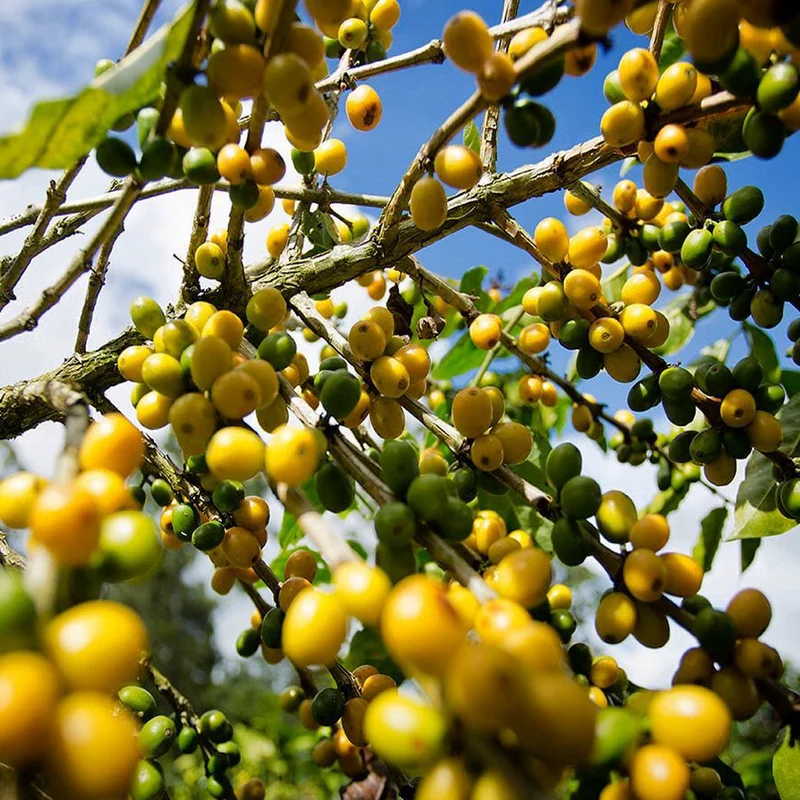
Valle Central is the historical birthplace of Costa Rican coffee, where cultivation first began in the late 18th century. Situated around the capital city of San José, this region has shaped the country's identity and economy, known for producing balanced and accessible coffee profiles.
1. Geography & Terroir
Altitude: Coffee farms are typically located between 900 and 1,600 meters (approx. 3,000–5,200 feet) above sea level, with a majority growing between 1,000 and 1,400 meters.
Climate: The region is influenced by the Pacific watershed, featuring well-defined wet (May-November) and dry seasons (December-April). Average temperatures are mild, around 22°C (72°F).
Soil: The soil is rich in organic matter and slightly acidic due to enrichment from nearby volcanic ashes (from volcanoes like Poás and Barva). This volcanic composition allows for good root distribution, humidity retention, and nutrient availability.
2. Production & Scale
Volume: Central Valley accounts for approximately 15% of Costa Rica's national coffee production.
Structure: The area is comprised of many small, family-run farms, often under 5 hectares.
Challenges: Due to urban expansion and expensive real estate around San José, many coffee farms have been lost over the last few decades, and the region faces pressure from population and industrial development.

3. Varietal Profile
Primary Varietals: The main varieties grown are the classic Caturra and Typica, which are well-suited to the region's conditions. Catuai is also widely grown.
Diversity: Some Bourbon varietals are still cultivated in the region, offering a taste of heritage coffee.
4. Flavor & Processing
Flavor Profile: Coffees from the Central Valley are known for their versatility and balance, with a medium body and bright acidity.
Notes: Common flavors include chocolate, caramel, and nuts, with pleasant citrus fruit hints and a honey-like sweetness.
Processing:
Washed Process: This is the most common method, producing the characteristically clean cup and pronounced acidity associated with the region.
Honey & Natural: Innovative micro-mills have also adopted honey and natural processing to create sweeter, fruit-forward profiles, with some acclaimed natural processed Caturra coming from farms like Volcan Azul