Shopping cart
Your cart empty!
Your cart empty!
Terms of use dolor sit amet consectetur, adipisicing elit. Recusandae provident ullam aperiam quo ad non corrupti sit vel quam repellat ipsa quod sed, repellendus adipisci, ducimus ea modi odio assumenda.
Lorem ipsum dolor sit amet consectetur adipisicing elit. Sequi, cum esse possimus officiis amet ea voluptatibus libero! Dolorum assumenda esse, deserunt ipsum ad iusto! Praesentium error nobis tenetur at, quis nostrum facere excepturi architecto totam.
Lorem ipsum dolor sit amet consectetur adipisicing elit. Inventore, soluta alias eaque modi ipsum sint iusto fugiat vero velit rerum.
Sequi, cum esse possimus officiis amet ea voluptatibus libero! Dolorum assumenda esse, deserunt ipsum ad iusto! Praesentium error nobis tenetur at, quis nostrum facere excepturi architecto totam.
Lorem ipsum dolor sit amet consectetur adipisicing elit. Inventore, soluta alias eaque modi ipsum sint iusto fugiat vero velit rerum.
Dolor sit amet consectetur adipisicing elit. Sequi, cum esse possimus officiis amet ea voluptatibus libero! Dolorum assumenda esse, deserunt ipsum ad iusto! Praesentium error nobis tenetur at, quis nostrum facere excepturi architecto totam.
Lorem ipsum dolor sit amet consectetur adipisicing elit. Inventore, soluta alias eaque modi ipsum sint iusto fugiat vero velit rerum.
Sit amet consectetur adipisicing elit. Sequi, cum esse possimus officiis amet ea voluptatibus libero! Dolorum assumenda esse, deserunt ipsum ad iusto! Praesentium error nobis tenetur at, quis nostrum facere excepturi architecto totam.
Lorem ipsum dolor sit amet consectetur adipisicing elit. Inventore, soluta alias eaque modi ipsum sint iusto fugiat vero velit rerum.
Do you agree to our terms? Sign up
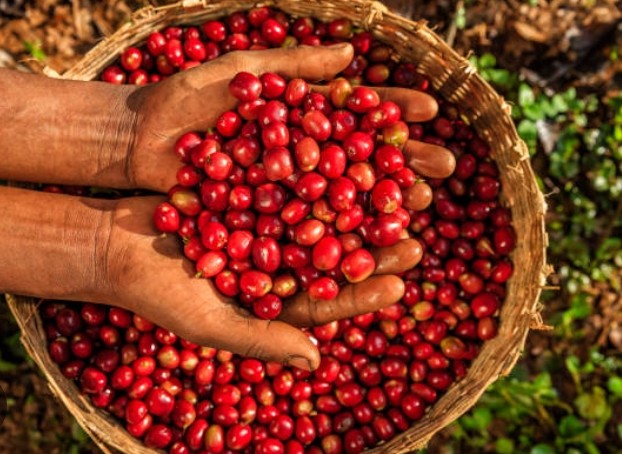
Rondônia lies in western Brazil, bordering Bolivia, at the southern edge of the Amazon rainforest. Once part of the vast state of Amazonas, it became independent in 1982. Today, Rondônia is known as Brazil’s leading producer of Amazonian Robusta (Conilon), with coffee cultivation deeply tied to its forested landscapes and rural communities.
Altitude & Climate: Coffee is grown in tropical lowlands, with hot, humid conditions ideal for robusta.
Production Scale: Rondônia’s productivity averages 68.5 bags per hectare, surpassing Brazil’s national average of 50.4 bags.
Farming Style: Over 10,400 growers cultivate Amazon Robusta, many organized under cooperatives like Caferon (Coffee Farmers from the Forests of Rondônia).
Sustainability: Farmers are increasingly adopting certifications of origin and sustainable practices to protect the Amazon ecosystem.
Rondônia coffee is celebrated for its strong, rustic character, offering:
Bold body and earthy notes
Low acidity, making it ideal for espresso blends
Woody, nutty, and chocolate undertones
A lingering, powerful finish
This profile makes Rondônia Robusta a popular choice for instant coffee, espresso bases, and blends requiring strength and depth.
Amazonian Identity: Coffee here is branded as “Amazon Robusta”, tying its flavor and heritage to the rainforest.
Sustainability Push: Farmers are working toward certifications of origin and eco-friendly production, showcased at events like the Rondônia Rural Show Internacional.
Export Reach: Rondônia coffee is shipped internationally, including to markets in Lebanon and the UAE.
High Productivity: With yields above the national average, Rondônia is proving itself as a powerhouse for robusta cultivation