Shopping cart
Your cart empty!
Your cart empty!
Terms of use dolor sit amet consectetur, adipisicing elit. Recusandae provident ullam aperiam quo ad non corrupti sit vel quam repellat ipsa quod sed, repellendus adipisci, ducimus ea modi odio assumenda.
Lorem ipsum dolor sit amet consectetur adipisicing elit. Sequi, cum esse possimus officiis amet ea voluptatibus libero! Dolorum assumenda esse, deserunt ipsum ad iusto! Praesentium error nobis tenetur at, quis nostrum facere excepturi architecto totam.
Lorem ipsum dolor sit amet consectetur adipisicing elit. Inventore, soluta alias eaque modi ipsum sint iusto fugiat vero velit rerum.
Sequi, cum esse possimus officiis amet ea voluptatibus libero! Dolorum assumenda esse, deserunt ipsum ad iusto! Praesentium error nobis tenetur at, quis nostrum facere excepturi architecto totam.
Lorem ipsum dolor sit amet consectetur adipisicing elit. Inventore, soluta alias eaque modi ipsum sint iusto fugiat vero velit rerum.
Dolor sit amet consectetur adipisicing elit. Sequi, cum esse possimus officiis amet ea voluptatibus libero! Dolorum assumenda esse, deserunt ipsum ad iusto! Praesentium error nobis tenetur at, quis nostrum facere excepturi architecto totam.
Lorem ipsum dolor sit amet consectetur adipisicing elit. Inventore, soluta alias eaque modi ipsum sint iusto fugiat vero velit rerum.
Sit amet consectetur adipisicing elit. Sequi, cum esse possimus officiis amet ea voluptatibus libero! Dolorum assumenda esse, deserunt ipsum ad iusto! Praesentium error nobis tenetur at, quis nostrum facere excepturi architecto totam.
Lorem ipsum dolor sit amet consectetur adipisicing elit. Inventore, soluta alias eaque modi ipsum sint iusto fugiat vero velit rerum.
Do you agree to our terms? Sign up
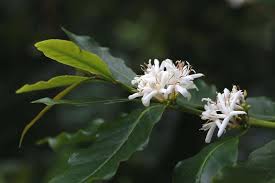
Man, Côte d’Ivoire is a prominent coffee-growing area located in the western part of Côte d’Ivoire, near the border with Liberia and Guinea, in the Montagnes District. The region is characterized by highlands, fertile volcanic and loamy soils, and a humid tropical climate with well-distributed rainfall, which provides favorable conditions for Arabica and Robusta coffee cultivation, though Robusta is more widely grown across the country. Elevations in the Man area range from 500 to 1,200 meters above sea level, creating microclimates suitable for coffee that can develop balanced flavor profiles.
Coffee production in Man is predominantly carried out by smallholder farmers, who cultivate coffee in shade-grown systems, often alongside cocoa, fruit trees, and other subsistence crops. This intercropping promotes soil fertility, biodiversity, and sustainability, while allowing farmers to diversify their incomes. Both wet and dry processing methods are used depending on the farm and local infrastructure, though much of Côte d’Ivoire’s coffee is exported as Robusta. Arabica from Man is less common but is valued for its mild acidity, balanced body, and aromatic qualities.
Coffees from the Man region are typically described as medium-bodied with soft acidity, exhibiting chocolate, nutty, and subtle fruity notes, making them approachable and versatile for blends. The flavor is generally less bright and complex than East African coffees, but it is prized for its smoothness and consistency, particularly in mass-market and commercial coffee sectors.
Man coffee plays a vital role in the Ivory Coast’s agricultural economy, supporting smallholder livelihoods and regional development. Its production reflects traditional farming knowledge, intercropping practices, and adaptation to the highland microclimate, contributing to Côte d’Ivoire’s position as one of Africa’s leading coffee producers, particularly of Robusta coffee for international markets.
" style="height: 100px" onchange="formValidation()" required>
Man, Côte d’Ivoire is a prominent coffee-growing area located in the western part of Côte d’Ivoire, near the border with Liberia and Guinea, in the Montagnes District. The region is characterized by highlands, fertile volcanic and loamy soils, and a humid tropical climate with well-distributed rainfall, which provides favorable conditions for Arabica and Robusta coffee cultivation, though Robusta is more widely grown across the country. Elevations in the Man area range from 500 to 1,200 meters above sea level, creating microclimates suitable for coffee that can develop balanced flavor profiles.
Coffee production in Man is predominantly carried out by smallholder farmers, who cultivate coffee in shade-grown systems, often alongside cocoa, fruit trees, and other subsistence crops. This intercropping promotes soil fertility, biodiversity, and sustainability, while allowing farmers to diversify their incomes. Both wet and dry processing methods are used depending on the farm and local infrastructure, though much of Côte d’Ivoire’s coffee is exported as Robusta. Arabica from Man is less common but is valued for its mild acidity, balanced body, and aromatic qualities.
Coffees from the Man region are typically described as medium-bodied with soft acidity, exhibiting chocolate, nutty, and subtle fruity notes, making them approachable and versatile for blends. The flavor is generally less bright and complex than East African coffees, but it is prized for its smoothness and consistency, particularly in mass-market and commercial coffee sectors.
Man coffee plays a vital role in the Ivory Coast’s agricultural economy, supporting smallholder livelihoods and regional development. Its production reflects traditional farming knowledge, intercropping practices, and adaptation to the highland microclimate, contributing to Côte d’Ivoire’s position as one of Africa’s leading coffee producers, particularly of Robusta coffee for international markets.