Shopping cart
Your cart empty!
Your cart empty!
Terms of use dolor sit amet consectetur, adipisicing elit. Recusandae provident ullam aperiam quo ad non corrupti sit vel quam repellat ipsa quod sed, repellendus adipisci, ducimus ea modi odio assumenda.
Lorem ipsum dolor sit amet consectetur adipisicing elit. Sequi, cum esse possimus officiis amet ea voluptatibus libero! Dolorum assumenda esse, deserunt ipsum ad iusto! Praesentium error nobis tenetur at, quis nostrum facere excepturi architecto totam.
Lorem ipsum dolor sit amet consectetur adipisicing elit. Inventore, soluta alias eaque modi ipsum sint iusto fugiat vero velit rerum.
Sequi, cum esse possimus officiis amet ea voluptatibus libero! Dolorum assumenda esse, deserunt ipsum ad iusto! Praesentium error nobis tenetur at, quis nostrum facere excepturi architecto totam.
Lorem ipsum dolor sit amet consectetur adipisicing elit. Inventore, soluta alias eaque modi ipsum sint iusto fugiat vero velit rerum.
Dolor sit amet consectetur adipisicing elit. Sequi, cum esse possimus officiis amet ea voluptatibus libero! Dolorum assumenda esse, deserunt ipsum ad iusto! Praesentium error nobis tenetur at, quis nostrum facere excepturi architecto totam.
Lorem ipsum dolor sit amet consectetur adipisicing elit. Inventore, soluta alias eaque modi ipsum sint iusto fugiat vero velit rerum.
Sit amet consectetur adipisicing elit. Sequi, cum esse possimus officiis amet ea voluptatibus libero! Dolorum assumenda esse, deserunt ipsum ad iusto! Praesentium error nobis tenetur at, quis nostrum facere excepturi architecto totam.
Lorem ipsum dolor sit amet consectetur adipisicing elit. Inventore, soluta alias eaque modi ipsum sint iusto fugiat vero velit rerum.
Do you agree to our terms? Sign up
Malekula: The Sleeping Giant of Vanuatu Coffee
In the azure waters of Vanuatu, where coffee stories are often told of volcanic Tanna and diverse Santo, there lies a larger, quieter, and far more mysterious island. Malekula, the nation's second-largest landmass, is a place of dense jungle, knife-edged ridges, and a coffee tradition that exists in a state of profound potential. It is not a region of established exports, but a terroir in waiting—a sleeping giant whose story is one of isolation, wildness, and the tantalizing promise of what could be.
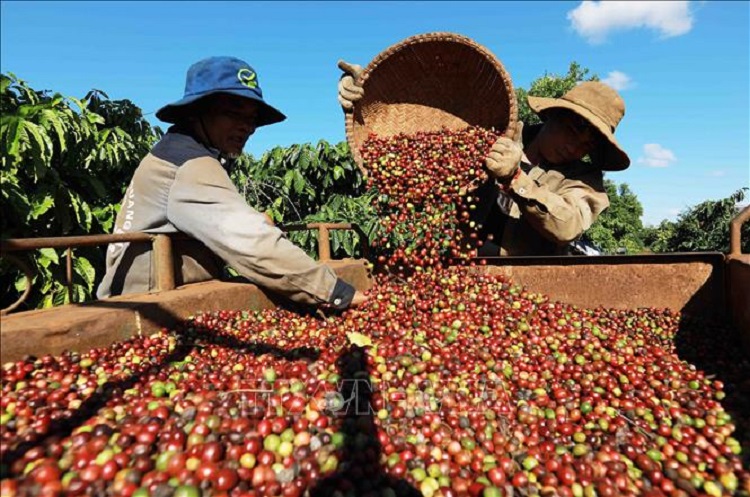
Malekula's coffee narrative is dictated by its geography. The island's interior is a rugged, mountainous fortress, with highland plateaus and valleys that have remained largely disconnected from the coastal world. Here, in small, remote villages accessible only by arduous footpaths or unreliable 4WD tracks, coffee trees grow as they have for generations: scattered through food forests, shaded by towering hardwoods, and tended with methods unchanged for half a century.
This extreme isolation is both its curse and its defining feature. While the rich, virgin soils and ideal highland climate create a perfect environment for quality coffee, the lack of roads, collection points, and processing infrastructure has rendered it commercially invisible. For decades, coffee from Malekula’s interior has been a hyper-local commodity—consumed in the village, traded at local markets, or occasionally sold in small, inconsistent quantities to passing buyers. It is coffee grown for sustenance and community, not for export.
To taste a true lot from Malekula's highlands is to experience Vanuatu coffee in its most elemental and unrestrained form. This is not the balanced, polished sweetness of Tanna, nor the varied but structured profile of Santo. This is a bold, wild, and deeply evocative cup.
The flavors speak directly of the environment: a heavy, syrupy body that coats the palate, a profound, earthy-sweet core reminiscent of molasses or dried cassava. Notes of dark, unsweetened cocoa, wild forest berries, and exotic spice weave through. There is often a distinct woody, almost humus-like complexity—a clean taste of the damp, fertile forest floor from which it springs. The acidity is typically low, presenting as a muted tropical fruit tone, allowing the deep, rustic sweetness to dominate. It is a coffee of power and place, challenging and immensely satisfying.
The history of Malekula coffee is punctuated by fits and starts. Colonial plantings, post-independence projects, and periodic efforts by NGOs or government agencies have all sought to "awaken" the giant. Small fermentaries have been built, farmers briefly organized. Yet, without a reliable, consistent, and financially viable pathway to market, these initiatives have often faltered. The 2015 Cyclone Pam devastated trees and morale, pushing coffee further down the list of priorities for families focused on immediate food security.
The result is a landscape of fragmented potential. Incredible heirloom Arabica Typica trees, some of the oldest in Vanuatu, grow alongside robusta, bearing fruit that rarely travels beyond the mountain. The knowledge is in the soil and the hands of the farmers, but the connection to the outside world is tenuous.
The future of Malekula as a coffee origin hinges on a delicate balance. The dream is not to industrialize, but to create a sustainable bridge that values its wildness. This requires:
Patient Partnership: Working with tribal and community leaders to establish small, community-owned processing hubs in key highland areas.
Preservation of Style: Honoring the traditional agroforestry methods while introducing subtle, quality-focused improvements in selective picking and controlled fermentation to elevate the cup without stripping its soul.
A Story Worth a Premium: Positioning Malekula coffee not as a commodity, but as a rare, terroir-specific artifact—the "wild harvest" of Vanuatu. For adventurous roasters and drinkers, its very rusticity and power are its value.
Malekula does not shout its coffee story; it whispers it through the rustle of highland leaves and the dense, sweet aroma of a cup brewed in a remote nakamal. It remains Vanuatu’s greatest unsolved coffee mystery and its most untapped resource.
For now, it stands as a powerful reminder that in an era of globalized supply chains, there are still places where coffee exists purely as a cultural plant, its flavor an unedited expression of land and tradition. To find a bag of true Malekula highland coffee is to hold something rare: not just a beverage, but a taste of a world apart, and a hopeful glimpse of a giant slowly, carefully, beginning to stir.
" style="height: 100px" onchange="formValidation()" required>
In the azure waters of Vanuatu, where coffee stories are often told of volcanic Tanna and diverse Santo, there lies a larger, quieter, and far more mysterious island. Malekula, the nation's second-largest landmass, is a place of dense jungle, knife-edged ridges, and a coffee tradition that exists in a state of profound potential. It is not a region of established exports, but a terroir in waiting—a sleeping giant whose story is one of isolation, wildness, and the tantalizing promise of what could be.
Malekula's coffee narrative is dictated by its geography. The island's interior is a rugged, mountainous fortress, with highland plateaus and valleys that have remained largely disconnected from the coastal world. Here, in small, remote villages accessible only by arduous footpaths or unreliable 4WD tracks, coffee trees grow as they have for generations: scattered through food forests, shaded by towering hardwoods, and tended with methods unchanged for half a century.
This extreme isolation is both its curse and its defining feature. While the rich, virgin soils and ideal highland climate create a perfect environment for quality coffee, the lack of roads, collection points, and processing infrastructure has rendered it commercially invisible. For decades, coffee from Malekula’s interior has been a hyper-local commodity—consumed in the village, traded at local markets, or occasionally sold in small, inconsistent quantities to passing buyers. It is coffee grown for sustenance and community, not for export.
To taste a true lot from Malekula's highlands is to experience Vanuatu coffee in its most elemental and unrestrained form. This is not the balanced, polished sweetness of Tanna, nor the varied but structured profile of Santo. This is a bold, wild, and deeply evocative cup.
The flavors speak directly of the environment: a heavy, syrupy body that coats the palate, a profound, earthy-sweet core reminiscent of molasses or dried cassava. Notes of dark, unsweetened cocoa, wild forest berries, and exotic spice weave through. There is often a distinct woody, almost humus-like complexity—a clean taste of the damp, fertile forest floor from which it springs. The acidity is typically low, presenting as a muted tropical fruit tone, allowing the deep, rustic sweetness to dominate. It is a coffee of power and place, challenging and immensely satisfying.
The history of Malekula coffee is punctuated by fits and starts. Colonial plantings, post-independence projects, and periodic efforts by NGOs or government agencies have all sought to "awaken" the giant. Small fermentaries have been built, farmers briefly organized. Yet, without a reliable, consistent, and financially viable pathway to market, these initiatives have often faltered. The 2015 Cyclone Pam devastated trees and morale, pushing coffee further down the list of priorities for families focused on immediate food security.
The result is a landscape of fragmented potential. Incredible heirloom Arabica Typica trees, some of the oldest in Vanuatu, grow alongside robusta, bearing fruit that rarely travels beyond the mountain. The knowledge is in the soil and the hands of the farmers, but the connection to the outside world is tenuous.
The future of Malekula as a coffee origin hinges on a delicate balance. The dream is not to industrialize, but to create a sustainable bridge that values its wildness. This requires:
Patient Partnership: Working with tribal and community leaders to establish small, community-owned processing hubs in key highland areas.
Preservation of Style: Honoring the traditional agroforestry methods while introducing subtle, quality-focused improvements in selective picking and controlled fermentation to elevate the cup without stripping its soul.
A Story Worth a Premium: Positioning Malekula coffee not as a commodity, but as a rare, terroir-specific artifact—the "wild harvest" of Vanuatu. For adventurous roasters and drinkers, its very rusticity and power are its value.
Malekula does not shout its coffee story; it whispers it through the rustle of highland leaves and the dense, sweet aroma of a cup brewed in a remote nakamal. It remains Vanuatu’s greatest unsolved coffee mystery and its most untapped resource.
For now, it stands as a powerful reminder that in an era of globalized supply chains, there are still places where coffee exists purely as a cultural plant, its flavor an unedited expression of land and tradition. To find a bag of true Malekula highland coffee is to hold something rare: not just a beverage, but a taste of a world apart, and a hopeful glimpse of a giant slowly, carefully, beginning to stir.
" style="height: 100px" onchange="formValidation()" required>Malekula: The Sleeping Giant of Vanuatu Coffee
In the azure waters of Vanuatu, where coffee stories are often told of volcanic Tanna and diverse Santo, there lies a larger, quieter, and far more mysterious island. Malekula, the nation's second-largest landmass, is a place of dense jungle, knife-edged ridges, and a coffee tradition that exists in a state of profound potential. It is not a region of established exports, but a terroir in waiting—a sleeping giant whose story is one of isolation, wildness, and the tantalizing promise of what could be.
Malekula's coffee narrative is dictated by its geography. The island's interior is a rugged, mountainous fortress, with highland plateaus and valleys that have remained largely disconnected from the coastal world. Here, in small, remote villages accessible only by arduous footpaths or unreliable 4WD tracks, coffee trees grow as they have for generations: scattered through food forests, shaded by towering hardwoods, and tended with methods unchanged for half a century.
This extreme isolation is both its curse and its defining feature. While the rich, virgin soils and ideal highland climate create a perfect environment for quality coffee, the lack of roads, collection points, and processing infrastructure has rendered it commercially invisible. For decades, coffee from Malekula’s interior has been a hyper-local commodity—consumed in the village, traded at local markets, or occasionally sold in small, inconsistent quantities to passing buyers. It is coffee grown for sustenance and community, not for export.
To taste a true lot from Malekula's highlands is to experience Vanuatu coffee in its most elemental and unrestrained form. This is not the balanced, polished sweetness of Tanna, nor the varied but structured profile of Santo. This is a bold, wild, and deeply evocative cup.
The flavors speak directly of the environment: a heavy, syrupy body that coats the palate, a profound, earthy-sweet core reminiscent of molasses or dried cassava. Notes of dark, unsweetened cocoa, wild forest berries, and exotic spice weave through. There is often a distinct woody, almost humus-like complexity—a clean taste of the damp, fertile forest floor from which it springs. The acidity is typically low, presenting as a muted tropical fruit tone, allowing the deep, rustic sweetness to dominate. It is a coffee of power and place, challenging and immensely satisfying.
The history of Malekula coffee is punctuated by fits and starts. Colonial plantings, post-independence projects, and periodic efforts by NGOs or government agencies have all sought to "awaken" the giant. Small fermentaries have been built, farmers briefly organized. Yet, without a reliable, consistent, and financially viable pathway to market, these initiatives have often faltered. The 2015 Cyclone Pam devastated trees and morale, pushing coffee further down the list of priorities for families focused on immediate food security.
The result is a landscape of fragmented potential. Incredible heirloom Arabica Typica trees, some of the oldest in Vanuatu, grow alongside robusta, bearing fruit that rarely travels beyond the mountain. The knowledge is in the soil and the hands of the farmers, but the connection to the outside world is tenuous.
The future of Malekula as a coffee origin hinges on a delicate balance. The dream is not to industrialize, but to create a sustainable bridge that values its wildness. This requires:
Patient Partnership: Working with tribal and community leaders to establish small, community-owned processing hubs in key highland areas.
Preservation of Style: Honoring the traditional agroforestry methods while introducing subtle, quality-focused improvements in selective picking and controlled fermentation to elevate the cup without stripping its soul.
A Story Worth a Premium: Positioning Malekula coffee not as a commodity, but as a rare, terroir-specific artifact—the "wild harvest" of Vanuatu. For adventurous roasters and drinkers, its very rusticity and power are its value.
Malekula does not shout its coffee story; it whispers it through the rustle of highland leaves and the dense, sweet aroma of a cup brewed in a remote nakamal. It remains Vanuatu’s greatest unsolved coffee mystery and its most untapped resource.
For now, it stands as a powerful reminder that in an era of globalized supply chains, there are still places where coffee exists purely as a cultural plant, its flavor an unedited expression of land and tradition. To find a bag of true Malekula highland coffee is to hold something rare: not just a beverage, but a taste of a world apart, and a hopeful glimpse of a giant slowly, carefully, beginning to stir.
" style="height: 100px" onchange="formValidation()" required>
In the azure waters of Vanuatu, where coffee stories are often told of volcanic Tanna and diverse Santo, there lies a larger, quieter, and far more mysterious island. Malekula, the nation's second-largest landmass, is a place of dense jungle, knife-edged ridges, and a coffee tradition that exists in a state of profound potential. It is not a region of established exports, but a terroir in waiting—a sleeping giant whose story is one of isolation, wildness, and the tantalizing promise of what could be.
Malekula's coffee narrative is dictated by its geography. The island's interior is a rugged, mountainous fortress, with highland plateaus and valleys that have remained largely disconnected from the coastal world. Here, in small, remote villages accessible only by arduous footpaths or unreliable 4WD tracks, coffee trees grow as they have for generations: scattered through food forests, shaded by towering hardwoods, and tended with methods unchanged for half a century.
This extreme isolation is both its curse and its defining feature. While the rich, virgin soils and ideal highland climate create a perfect environment for quality coffee, the lack of roads, collection points, and processing infrastructure has rendered it commercially invisible. For decades, coffee from Malekula’s interior has been a hyper-local commodity—consumed in the village, traded at local markets, or occasionally sold in small, inconsistent quantities to passing buyers. It is coffee grown for sustenance and community, not for export.
To taste a true lot from Malekula's highlands is to experience Vanuatu coffee in its most elemental and unrestrained form. This is not the balanced, polished sweetness of Tanna, nor the varied but structured profile of Santo. This is a bold, wild, and deeply evocative cup.
The flavors speak directly of the environment: a heavy, syrupy body that coats the palate, a profound, earthy-sweet core reminiscent of molasses or dried cassava. Notes of dark, unsweetened cocoa, wild forest berries, and exotic spice weave through. There is often a distinct woody, almost humus-like complexity—a clean taste of the damp, fertile forest floor from which it springs. The acidity is typically low, presenting as a muted tropical fruit tone, allowing the deep, rustic sweetness to dominate. It is a coffee of power and place, challenging and immensely satisfying.
The history of Malekula coffee is punctuated by fits and starts. Colonial plantings, post-independence projects, and periodic efforts by NGOs or government agencies have all sought to "awaken" the giant. Small fermentaries have been built, farmers briefly organized. Yet, without a reliable, consistent, and financially viable pathway to market, these initiatives have often faltered. The 2015 Cyclone Pam devastated trees and morale, pushing coffee further down the list of priorities for families focused on immediate food security.
The result is a landscape of fragmented potential. Incredible heirloom Arabica Typica trees, some of the oldest in Vanuatu, grow alongside robusta, bearing fruit that rarely travels beyond the mountain. The knowledge is in the soil and the hands of the farmers, but the connection to the outside world is tenuous.
The future of Malekula as a coffee origin hinges on a delicate balance. The dream is not to industrialize, but to create a sustainable bridge that values its wildness. This requires:
Patient Partnership: Working with tribal and community leaders to establish small, community-owned processing hubs in key highland areas.
Preservation of Style: Honoring the traditional agroforestry methods while introducing subtle, quality-focused improvements in selective picking and controlled fermentation to elevate the cup without stripping its soul.
A Story Worth a Premium: Positioning Malekula coffee not as a commodity, but as a rare, terroir-specific artifact—the "wild harvest" of Vanuatu. For adventurous roasters and drinkers, its very rusticity and power are its value.
Malekula does not shout its coffee story; it whispers it through the rustle of highland leaves and the dense, sweet aroma of a cup brewed in a remote nakamal. It remains Vanuatu’s greatest unsolved coffee mystery and its most untapped resource.
For now, it stands as a powerful reminder that in an era of globalized supply chains, there are still places where coffee exists purely as a cultural plant, its flavor an unedited expression of land and tradition. To find a bag of true Malekula highland coffee is to hold something rare: not just a beverage, but a taste of a world apart, and a hopeful glimpse of a giant slowly, carefully, beginning to stir.