Shopping cart
Your cart empty!
Your cart empty!
Terms of use dolor sit amet consectetur, adipisicing elit. Recusandae provident ullam aperiam quo ad non corrupti sit vel quam repellat ipsa quod sed, repellendus adipisci, ducimus ea modi odio assumenda.
Lorem ipsum dolor sit amet consectetur adipisicing elit. Sequi, cum esse possimus officiis amet ea voluptatibus libero! Dolorum assumenda esse, deserunt ipsum ad iusto! Praesentium error nobis tenetur at, quis nostrum facere excepturi architecto totam.
Lorem ipsum dolor sit amet consectetur adipisicing elit. Inventore, soluta alias eaque modi ipsum sint iusto fugiat vero velit rerum.
Sequi, cum esse possimus officiis amet ea voluptatibus libero! Dolorum assumenda esse, deserunt ipsum ad iusto! Praesentium error nobis tenetur at, quis nostrum facere excepturi architecto totam.
Lorem ipsum dolor sit amet consectetur adipisicing elit. Inventore, soluta alias eaque modi ipsum sint iusto fugiat vero velit rerum.
Dolor sit amet consectetur adipisicing elit. Sequi, cum esse possimus officiis amet ea voluptatibus libero! Dolorum assumenda esse, deserunt ipsum ad iusto! Praesentium error nobis tenetur at, quis nostrum facere excepturi architecto totam.
Lorem ipsum dolor sit amet consectetur adipisicing elit. Inventore, soluta alias eaque modi ipsum sint iusto fugiat vero velit rerum.
Sit amet consectetur adipisicing elit. Sequi, cum esse possimus officiis amet ea voluptatibus libero! Dolorum assumenda esse, deserunt ipsum ad iusto! Praesentium error nobis tenetur at, quis nostrum facere excepturi architecto totam.
Lorem ipsum dolor sit amet consectetur adipisicing elit. Inventore, soluta alias eaque modi ipsum sint iusto fugiat vero velit rerum.
Do you agree to our terms? Sign up
Jinotega
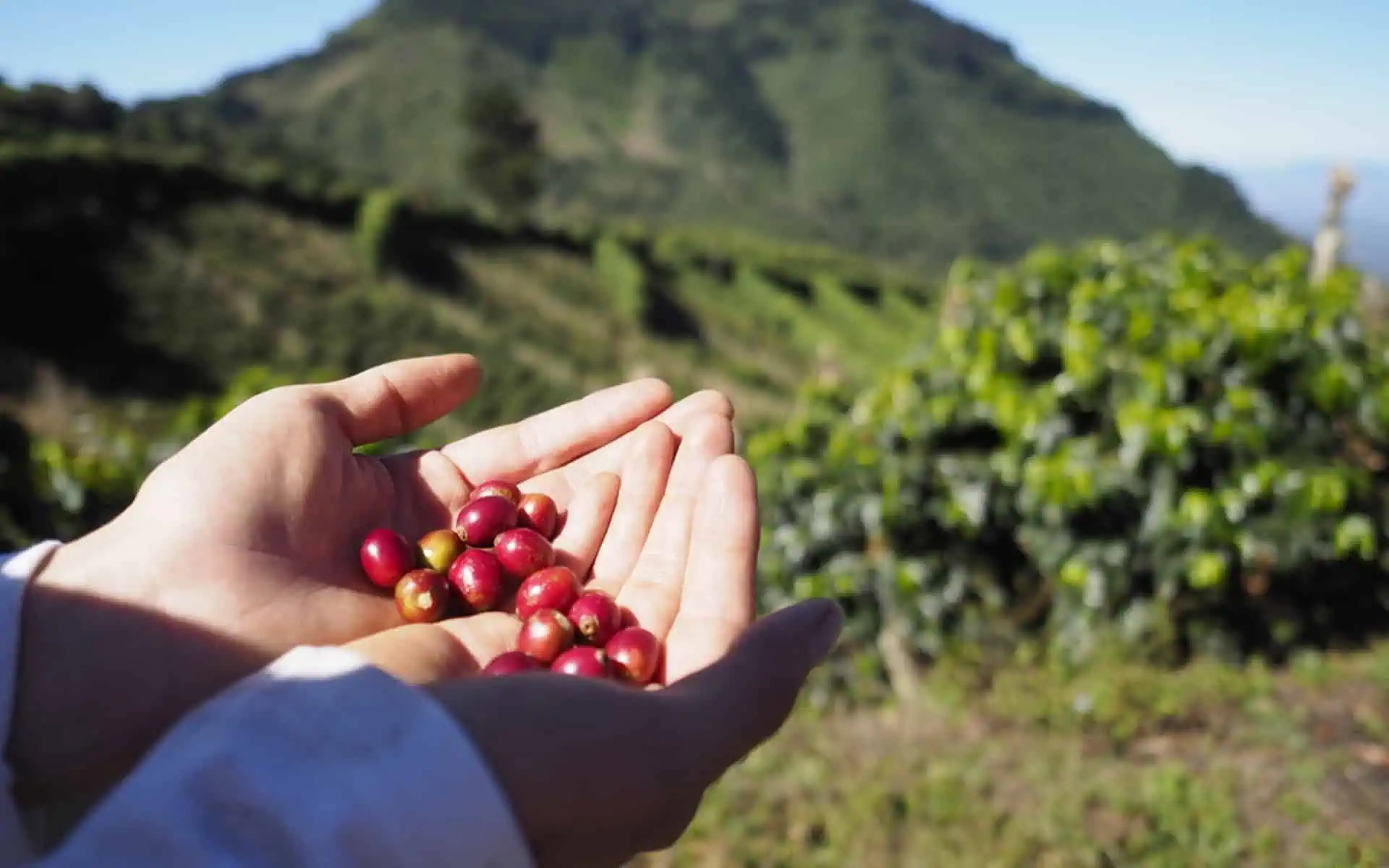
Jinotega, widely known as the "Capital of Coffee," is Nicaragua’s premier coffee-growing region. Often referred to as La Ciudad de las Brumas ("City of the Mists") due to the frequent fog that blankets its mountain ranges, it produces roughly 80% of Nicaragua's total coffee output.
1. Geography & Terroir
Altitude: Plantations are situated at high elevations ranging from 1,100 to 1,700 meters (approx. 3,600–5,600 feet).
Climate: The region features a cool, high-altitude climate with a well-defined dry season from December to March. Frequent cloud cover and mist slow the maturation of coffee cherries, resulting in denser beans with more concentrated sugars.
Soil: Predominantly rich volcanic soil that is fertile and high in minerals, which is essential for developing the complex acidity found in high-altitude Arabica.
2. Production & Scale
Dominance: Jinotega is the largest producer in the country, occupying first place in national coffee cultivation.
Structure: Production is sustained by over 15,000–15,500 families cultivating approximately 44,262 hectares (roughly 110,000 acres) of land.
Growers: The landscape is a mix of small family-owned farms and large estates. Many smallholders are organized into powerful cooperatives, such as SOPPEXCCA and COMULFAC, which manage collective processing and marketing.

3. Varietal Profile
Classic Varietals: The region is primarily dominated by Caturra and Bourbon, which represent the backbone of its high-quality Arabica production.
Diverse Cultivars: Farmers also grow a wide range of other varieties, including Catuaí (Red and Yellow), Catimores, Maracaturra, Maragogype (famed for its "elephant" beans), and Pacamara.
Modern Hybrids: In recent years, producers have increasingly adopted high-yielding and disease-resistant hybrids such as Marseillaise, H1, H3, Java, and Parainema.
4. Flavor & Processing
Flavor Profile: Jinotega coffee is celebrated for its well-rounded, balanced, and approachable character.
Acidity: Features a mild to bright citrus acidity (lemon or orange zest).
Sweetness & Notes: Common tasting notes include chocolate, toasted hazelnut, molasses, and graham cracker, often accompanied by floral or stone fruit undertones (peach, plum).
Body: Typically presents a medium-to-heavy body with a clean, smooth mouthfeel.
Processing:
Fully Washed: The industry standard in Jinotega; this method emphasizes cup clarity and highlights the region's bright, crisp acidity.
Sun-Dried: Following washing, beans are traditionally dried on patios in the sun or at on-site micro-mills to maintain quality.