Shopping cart
Your cart empty!
Your cart empty!
Terms of use dolor sit amet consectetur, adipisicing elit. Recusandae provident ullam aperiam quo ad non corrupti sit vel quam repellat ipsa quod sed, repellendus adipisci, ducimus ea modi odio assumenda.
Lorem ipsum dolor sit amet consectetur adipisicing elit. Sequi, cum esse possimus officiis amet ea voluptatibus libero! Dolorum assumenda esse, deserunt ipsum ad iusto! Praesentium error nobis tenetur at, quis nostrum facere excepturi architecto totam.
Lorem ipsum dolor sit amet consectetur adipisicing elit. Inventore, soluta alias eaque modi ipsum sint iusto fugiat vero velit rerum.
Sequi, cum esse possimus officiis amet ea voluptatibus libero! Dolorum assumenda esse, deserunt ipsum ad iusto! Praesentium error nobis tenetur at, quis nostrum facere excepturi architecto totam.
Lorem ipsum dolor sit amet consectetur adipisicing elit. Inventore, soluta alias eaque modi ipsum sint iusto fugiat vero velit rerum.
Dolor sit amet consectetur adipisicing elit. Sequi, cum esse possimus officiis amet ea voluptatibus libero! Dolorum assumenda esse, deserunt ipsum ad iusto! Praesentium error nobis tenetur at, quis nostrum facere excepturi architecto totam.
Lorem ipsum dolor sit amet consectetur adipisicing elit. Inventore, soluta alias eaque modi ipsum sint iusto fugiat vero velit rerum.
Sit amet consectetur adipisicing elit. Sequi, cum esse possimus officiis amet ea voluptatibus libero! Dolorum assumenda esse, deserunt ipsum ad iusto! Praesentium error nobis tenetur at, quis nostrum facere excepturi architecto totam.
Lorem ipsum dolor sit amet consectetur adipisicing elit. Inventore, soluta alias eaque modi ipsum sint iusto fugiat vero velit rerum.
Do you agree to our terms? Sign up
El Paraíso
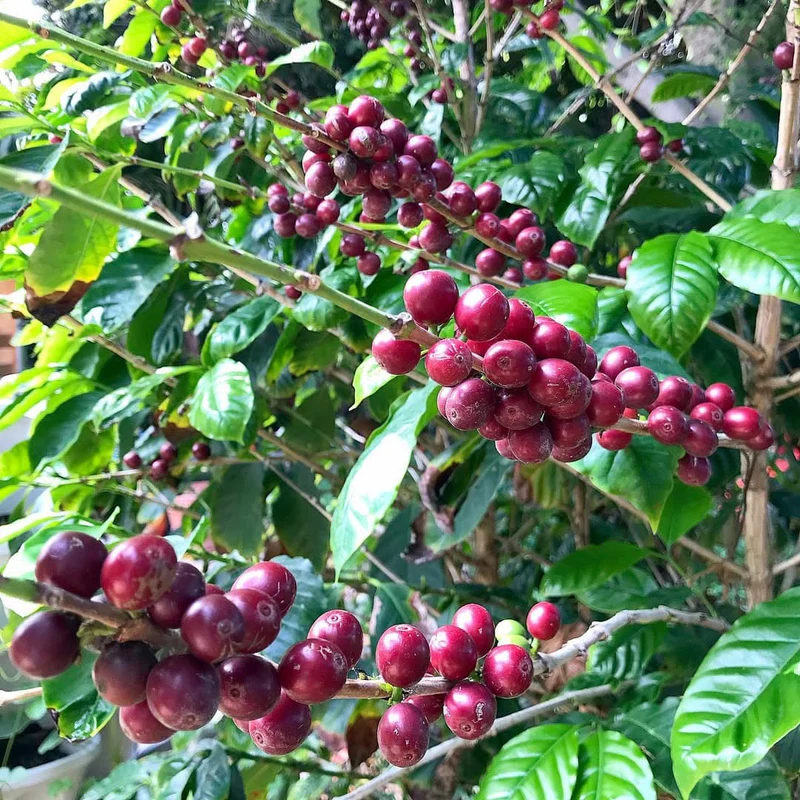
El Paraíso, located in southeastern Honduras bordering Nicaragua, has transformed from a region known for volume into a premier destination for specialty coffee. It is currently one of the most dynamic growing regions, frequently producing award-winning lots in international competitions.
1. Geography and Terroir
The geography of El Paraíso is characterized by steep mountain ranges and diverse microclimates that vary significantly from valley to peak.
Altitude: This is one of the highest-reaching regions in the country, with coffee grown from 1,000 up to 1,950 meters (3,280–6,400 feet).
Climate: The region experiences a range of temperatures; higher elevations are cool and misty, while lower valleys provide the warmth needed for vigorous tree growth.
Soil: The terrain consists of acidic, loamy soils that are high in organic matter, providing a fertile foundation for Arabica trees.
2. Production and Scale
El Paraíso is a heavyweight in the Honduran coffee industry, consistently ranking as one of the top three producers by volume.
Innovation Hub: In recent years, El Paraíso has become a hub for young, innovative producers who are shifting away from commercial-grade coffee toward high-end specialty exports.
Harvest Season: The harvest period is slightly shifted due to the southern latitude, typically running from December through April.
2025 Market Status: Heading into the 2025 season, El Paraíso remains a dominant force in the Cup of Excellence Honduras, often placing multiple farms in the top 10 due to their focus on meticulous harvesting and unique processing.

3. Varietal Profile
The varietal diversity in El Paraíso is a reflection of its focus on the specialty market.
Legacy Varieties: Catuai, Caturra, and Bourbon are the most widely planted and form the backbone of the region’s production.
Specialty Cultivars: It has become a popular region for planting Parainema, a variety celebrated for its resistance to pests and its unique, herbal/floral flavor profile.
Exotics: High-altitude farms are increasingly experimenting with Gesha (Geisha) and SL-28 to target the ultra-premium specialty market.
4. Flavor and Processing
El Paraíso coffee is prized for its balanced profile, which sits perfectly between the chocolatey notes of Copán and the citrus-forward notes of Montecillos.
Flavor Profile:
Acidity: A fine, citric acidity that is bright but well-integrated.
Sweetness: Characterized by a mellow sweetness, often leaning toward brown sugar and caramel.
Tasting Notes: Expect a complex profile of green apple, peach, and jasmine, often accompanied by a silky, medium body.
Processing:
Standard Washed: Produces a very clean, consistent cup with soft floral aromas.
Natural and Anaerobic: El Paraíso has become a leader in anaerobic fermentation. Producers here often use long fermentation times (up to 120 hours) to create intense, wine-like flavors with notes of dried fruits and balsamic.
Direct Trade: Many farmers in this region work directly with roasters in North America and Europe, allowing for customized processing methods tailored to specific flavor targets