Shopping cart
Your cart empty!
Your cart empty!
Terms of use dolor sit amet consectetur, adipisicing elit. Recusandae provident ullam aperiam quo ad non corrupti sit vel quam repellat ipsa quod sed, repellendus adipisci, ducimus ea modi odio assumenda.
Lorem ipsum dolor sit amet consectetur adipisicing elit. Sequi, cum esse possimus officiis amet ea voluptatibus libero! Dolorum assumenda esse, deserunt ipsum ad iusto! Praesentium error nobis tenetur at, quis nostrum facere excepturi architecto totam.
Lorem ipsum dolor sit amet consectetur adipisicing elit. Inventore, soluta alias eaque modi ipsum sint iusto fugiat vero velit rerum.
Sequi, cum esse possimus officiis amet ea voluptatibus libero! Dolorum assumenda esse, deserunt ipsum ad iusto! Praesentium error nobis tenetur at, quis nostrum facere excepturi architecto totam.
Lorem ipsum dolor sit amet consectetur adipisicing elit. Inventore, soluta alias eaque modi ipsum sint iusto fugiat vero velit rerum.
Dolor sit amet consectetur adipisicing elit. Sequi, cum esse possimus officiis amet ea voluptatibus libero! Dolorum assumenda esse, deserunt ipsum ad iusto! Praesentium error nobis tenetur at, quis nostrum facere excepturi architecto totam.
Lorem ipsum dolor sit amet consectetur adipisicing elit. Inventore, soluta alias eaque modi ipsum sint iusto fugiat vero velit rerum.
Sit amet consectetur adipisicing elit. Sequi, cum esse possimus officiis amet ea voluptatibus libero! Dolorum assumenda esse, deserunt ipsum ad iusto! Praesentium error nobis tenetur at, quis nostrum facere excepturi architecto totam.
Lorem ipsum dolor sit amet consectetur adipisicing elit. Inventore, soluta alias eaque modi ipsum sint iusto fugiat vero velit rerum.
Do you agree to our terms? Sign up
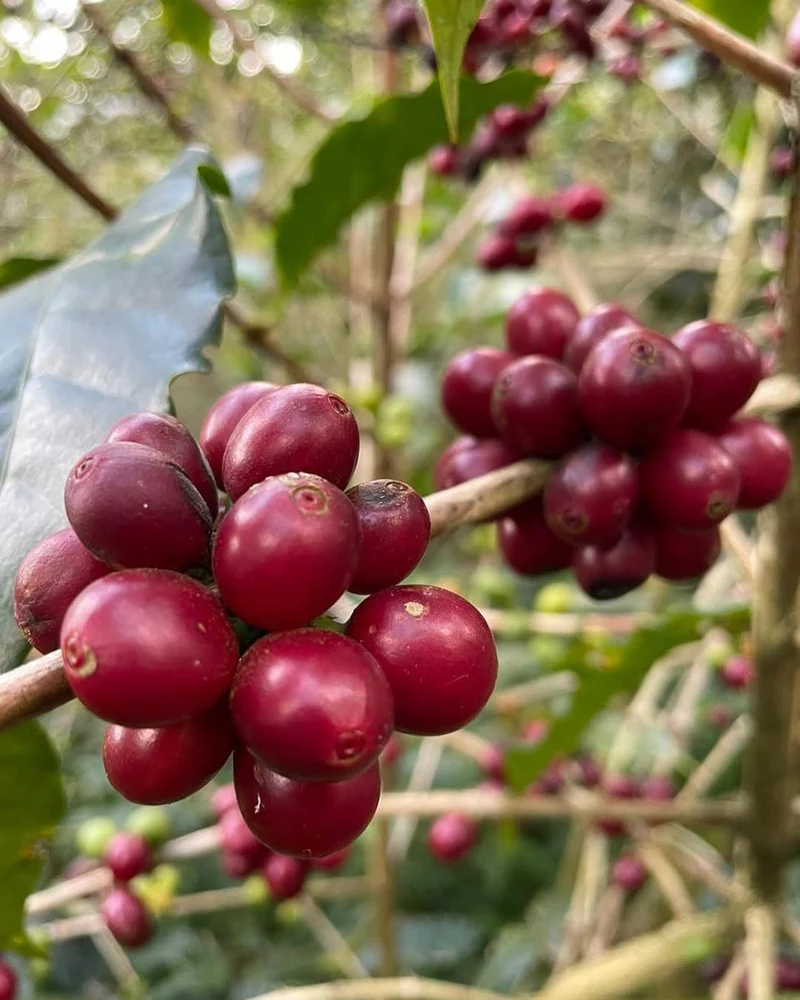
The Apaneca-Ilamatepec region is El Salvador's most prominent coffee-growing territory, serving as the national benchmark for quality and volume. It was the first region in the country to receive a Denomination of Origin (DO) in 2010.
1. Geography and Terroir
Location: Situated in the western highlands, spanning the departments of Santa Ana, Ahuachapán, and Sonsonate.
Volcanic Influence: Defined by the Apaneca-Ilamatepec mountain range, which includes the Ilamatepec (Santa Ana) volcano—the country's highest at 2,381 meters—as well as the Cerro Verde and Izalco volcanoes.
Altitude: Coffee is cultivated from 500 to 2,300 meters above sea level (MASL), with the highest quality specialty lots typically found above 1,200 MASL.
Soil: Rich, well-drained volcanic soil abundant in minerals and nutrients like sulfur, replenished by periodic volcanic activity (most recently in 2005).
Climate: Cool and windy, influenced by a constant fresh breeze from the nearby Pacific Ocean.
2. Production and Scale
Output: This region is the powerhouse of El Salvador’s coffee industry, accounting for approximately 53% to 65% of national production.
Acreage: It encompasses roughly 70,000 to 78,000 hectares of coffee plantations divided into 37 distinct coffee-growing districts.
Harvest Season: Typically runs from October to March, with higher-altitude cherries maturing slowly and being picked through March.
3. Varietal Profile
Bourbon: The dominant variety (approx. 64%), prized for its sweetness and floral elegance.
Pacas: A natural mutation of Bourbon discovered in this region; it is unique to El Salvador and produces a rich, full-bodied cup.
Pacamara: A high-quality hybrid often used for boutique and competition-grade micro-lots.
Others: Includes Geisha, Caturra, Catuai, and recently discovered rare varieties like Bernardina, which shares 70% of its DNA with Geisha.
4. Flavor and Processing
Classic Profile: Medium-bodied with deep chocolate and caramel flavors, elegant acidity, and strong sweetness. You will often find notes of peach, citrus (tangerine), and floral jasmine.
Processing Trends:
Washed: The traditional method, emphasizing clarity and bright acidity.
Honey and Natural: Increasingly popular for specialty lots to enhance syrupy sweetness and "winey" fruit notes like dark cherry and fig.
Heritage: The region is a frequent winner of the Cup of Excellence (COE), with multiple farms regularly placing in the top 10 national rankings.