Shopping cart
Your cart empty!
Your cart empty!
Terms of use dolor sit amet consectetur, adipisicing elit. Recusandae provident ullam aperiam quo ad non corrupti sit vel quam repellat ipsa quod sed, repellendus adipisci, ducimus ea modi odio assumenda.
Lorem ipsum dolor sit amet consectetur adipisicing elit. Sequi, cum esse possimus officiis amet ea voluptatibus libero! Dolorum assumenda esse, deserunt ipsum ad iusto! Praesentium error nobis tenetur at, quis nostrum facere excepturi architecto totam.
Lorem ipsum dolor sit amet consectetur adipisicing elit. Inventore, soluta alias eaque modi ipsum sint iusto fugiat vero velit rerum.
Sequi, cum esse possimus officiis amet ea voluptatibus libero! Dolorum assumenda esse, deserunt ipsum ad iusto! Praesentium error nobis tenetur at, quis nostrum facere excepturi architecto totam.
Lorem ipsum dolor sit amet consectetur adipisicing elit. Inventore, soluta alias eaque modi ipsum sint iusto fugiat vero velit rerum.
Dolor sit amet consectetur adipisicing elit. Sequi, cum esse possimus officiis amet ea voluptatibus libero! Dolorum assumenda esse, deserunt ipsum ad iusto! Praesentium error nobis tenetur at, quis nostrum facere excepturi architecto totam.
Lorem ipsum dolor sit amet consectetur adipisicing elit. Inventore, soluta alias eaque modi ipsum sint iusto fugiat vero velit rerum.
Sit amet consectetur adipisicing elit. Sequi, cum esse possimus officiis amet ea voluptatibus libero! Dolorum assumenda esse, deserunt ipsum ad iusto! Praesentium error nobis tenetur at, quis nostrum facere excepturi architecto totam.
Lorem ipsum dolor sit amet consectetur adipisicing elit. Inventore, soluta alias eaque modi ipsum sint iusto fugiat vero velit rerum.
Do you agree to our terms? Sign up
Agalta
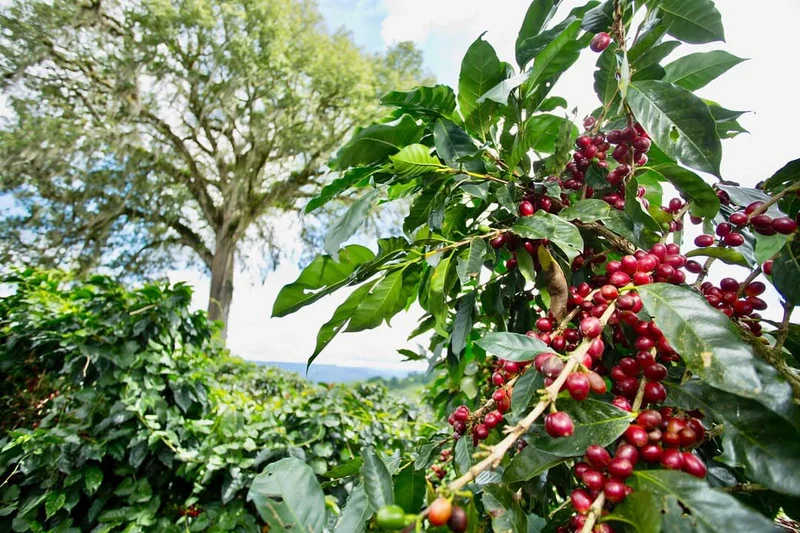
Agalta is located in the southeastern and eastern parts of Honduras, spanning the departments of Olancho, El Paraíso, and Francisco Morazán. This region is notable for its more tropical climate compared to the cooler, western highlands, which directly influences its unique cup profile.
1. Geography and Terroir
Agalta's environment is more tropical and inland, creating distinct growing conditions.
Altitude: The elevation ranges from approximately 1,100 to 1,700 meters (3,609–5,577 feet), suitable for high-quality Arabica production.
Climate: It has a warm, tropical climate. While it receives adequate rainfall, it is often in the "rain shadow" of surrounding mountain ranges, resulting in a slightly drier microclimate during parts of the year, which can aid in drying processes.
Soil: The fertile, loamy soils, combined with lush forests, support robust coffee plants and contribute to a rich and full body in the resulting coffee.
2. Production and Scale
Agalta plays a significant role in the overall Honduran coffee production, driven by a commitment to quality improvement at the smallholder level.
Smallholder Focus: The region is primarily composed of small, family-owned farms, many organized into cooperatives that help with processing and market access.
Harvest Season: The main harvest in Agalta typically runs from December to March.
Quality Push: Producers in Agalta are increasingly focusing on specialty-grade coffee, often participating in quality improvement projects to gain access to premium international markets.

3. Varietal Profile
The varietal choices in Agalta are centered on established Arabica types that perform well in its specific climate.
Common Varieties: The primary varietals grown are Bourbon, Caturra, and Typica.
Resilient Cultivars: Some farmers also utilize disease-resistant varieties such as Lempira and IHCAFE 90 to ensure stable production amidst environmental challenges.
4. Flavor and Processing
Agalta coffee is known for its sweet, tropical profile, distinguishing it from the traditional chocolate and caramel notes of other regions.
Flavor Profile:
Sweetness: Features a distinctive, sweet aftertaste.
Acidity: A delicate but pronounced acidity, often described as bright and lively.
Tasting Notes: Famous for its diverse tropical fruit flavors, often with a caramel and chocolate aroma and hints of mango and citrus.
Processing:
Washed (Wet): The most common processing method, which yields a clean cup and highlights the coffee's natural acidity and fruit notes.
Versatility: The flavor profile of Agalta coffee makes it highly versatile. A medium roast accentuates the tropical fruit and milk chocolate notes, while a darker roast brings out richer chocolate and toasted nut flavors.